
**Start your free trial today →
Great TikTok ads are built in research, not in the edit. To use tiktok creative center well, you map patterns from top ads and trends, then turn them into simple tests you can ship this week. That’s the move that lifts CTR, drops CPAs, and gives you repeatable wins in 2026.
Here’s the short version: the Creative Center’s Top Ads, Trend Discovery, Creative Insights, and Audio Library show you proven hooks, formats, and sounds. You study why they work, save references, and produce one or two new creatives based on those insights. You improve results by copying structure, not content, and by shipping tests fast.
Moreover, this research habit helps any team size. One marketer with a 30‑minute weekly cadence can outlearn a full squad that makes random edits. As a result, you’ll spend less time guessing and more time scaling what works.
What Is TikTok Creative Center and Why Should You Care?
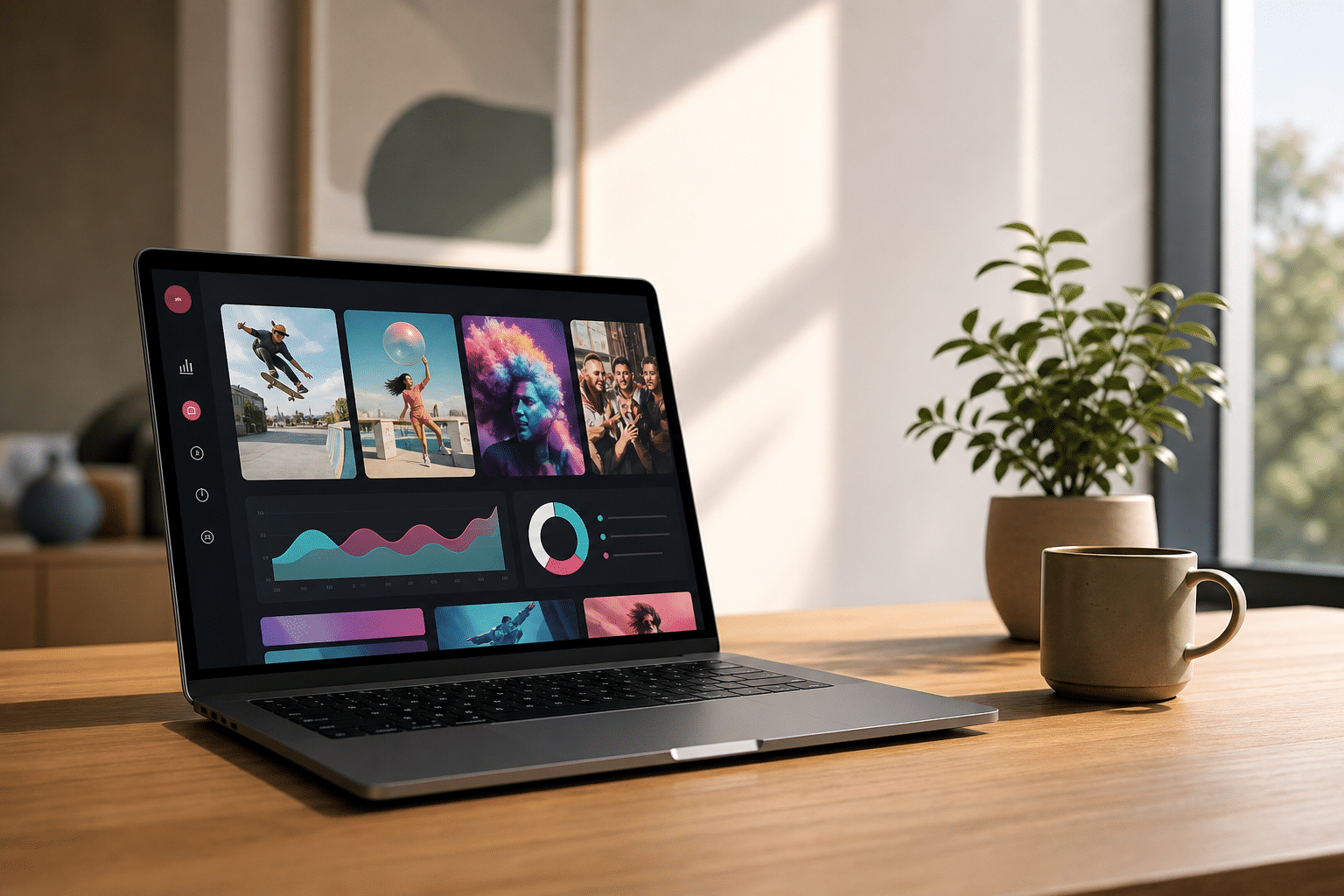
TikTok Creative Center is a free research hub that shows you what’s working on the platform. It helps you see top-performing ads, fast-rising hashtags, trending songs, and creative best practices. If your goal is to make ads that feel native to TikTok, this is the fastest way to learn the patterns that the algorithm and people reward.
The tool groups insights into four areas. First, Top Ads shows real ads with performance signals like CTR range and retention curves. Second, Trend Discovery highlights hashtags, creators, and content styles gaining steam by region and category. Third, Creative Insights explains what hooks, scenes, and CTAs perform by goal (reach, traffic, conversion). Fourth, Audio Library surfaces songs and sounds trending with the audiences you care about.
For context on the platform’s scale and culture, the TikTok overview is a helpful primer. However, platform facts don’t make ads win. Patterns do. That’s why you should use tiktok creative center to spot repeatable formats, not one-off viral clips.
In addition, you don’t need a large budget to benefit here. New brands, solo media buyers, and big teams can all save hours by starting with data-backed ideas. As a result, your first draft is closer to the win, and your test plan is smaller and smarter.
The Free Tools at a Glance
- Top Ads: Browse proven ads and study hooks, pacing, captions, and CTAs by niche and goal.
- Trend Discovery: Track rising hashtags and content angles by country and industry.
- Creative Insights: Learn which video structures and first-three-second hooks move metrics.
- Audio Library: Find trending songs and sounds that match your audience and region.
How to Use TikTok Creative Center: A Step-by-Step Walkthrough
You’ll move faster if you follow a simple loop: observe, tag, test, and log. Here’s the exact workflow I use with clients.
Step 1: Open the tool
Go to ads.tiktok.com/business/creativecenter. You can browse most areas for free without setting up an ad account. Start on desktop to see more filters and data above the fold.
Step 2: Use Top Ads filters to narrow the field
Select your region, industry, and objective. For example, choose United States → E‑commerce → Conversions. Then sort by “Most recent” to catch what works now.
- The first three seconds: What’s the opening visual and on-screen text?
- Scene count and pacing: How many cuts in the first 6–10 seconds?
- Offer clarity: Is the ask (trial, bundle, discount) clear before second 5?
Furthermore, save 5–10 strong ads to a swipe folder today. Look for shared themes in framing, lighting, text overlays, and product demo style.
Step 3: Analyze trending hashtags and songs
Open Trend Discovery and filter by your country and category. Check hashtags with rising growth and stable popularity over the last 7–30 days. Then switch to Audio Library to see songs trending with your demographic. Avoid hyper-saturated sounds that don’t fit your brand voice. Instead, pick a trend that supports your story and test it on one new creative this week.
Step 4: Study Creative Insights patterns
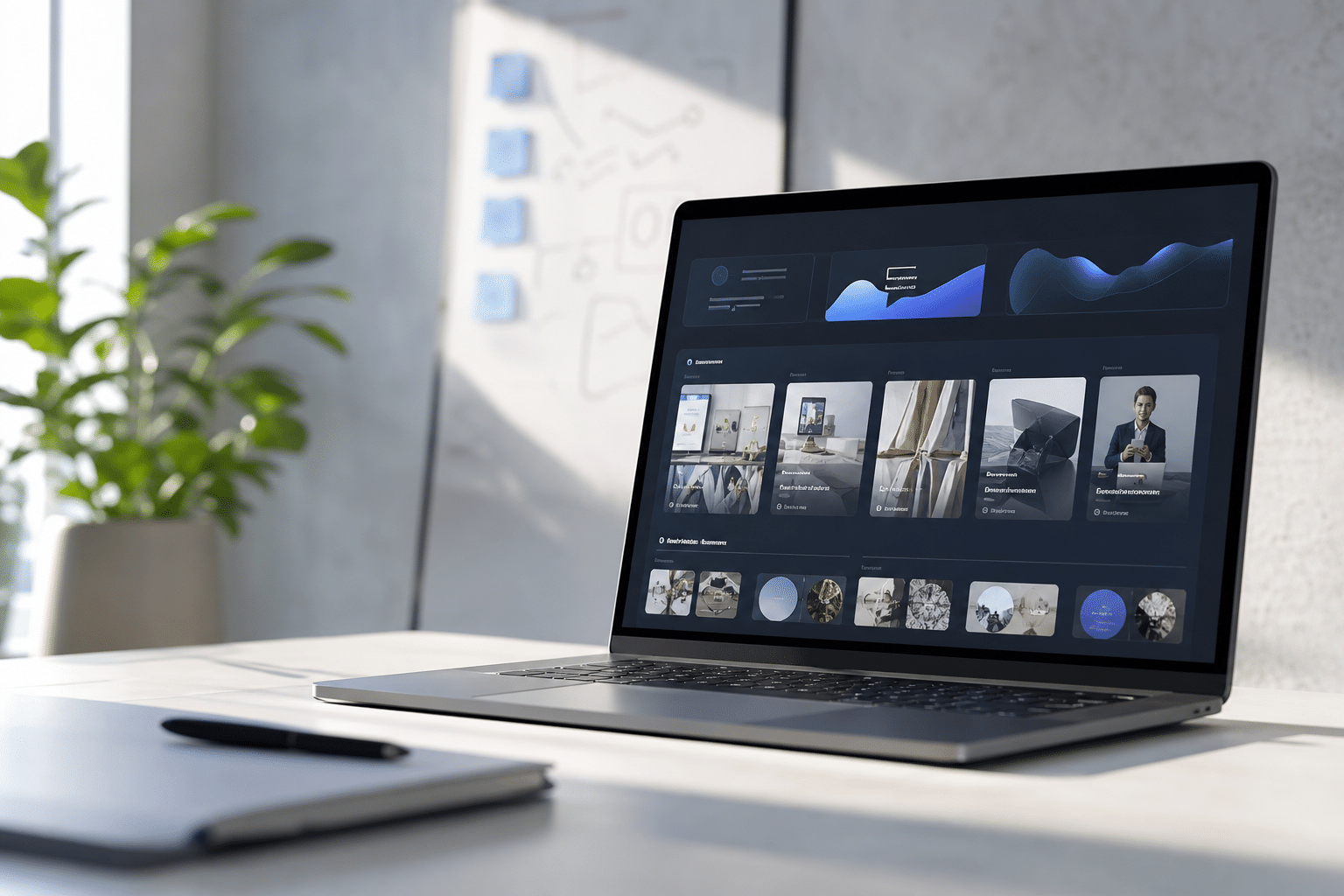
Open Creative Insights and pick your campaign goal. Note which hooks (problem-first, unboxing, reaction, before/after) score best. Specifically, screenshot two charts: “Hook performance by objective” and “Scene duration by conversion rate.
- Hook: “Problem statement” on-screen within 0–2 seconds.
- Proof: Quick demo or punchy result by second 5.
- CTA: One clear ask with on-screen text and voice by second 8–10.
Step 5: Save references and turn them into briefs
Create a simple brief per idea: hook line, A‑roll plan, 3–5 B‑roll beats, on-screen text, sound choice, and CTA. Then test one new format at a time. Resist styling creep. You want to isolate the core idea you stole, sorry, studied, from Creative Center.
Pro tip: If you run in more than one country, repeat Steps 2–3 for each geo. Hooks and sounds that work in the UK may fall flat in the US.
Also Read!
How to Use Facebook Ad Spy Tools to Improve Your Small Business Ads
Common Mistakes People Make with TikTok Creative Center
The most expensive error is copying an ad beat-for-beat. That’s how you blend in and get flagged by brand and creator communities. Instead, extract patterns: hook type, pacing, framing, and CTA placement. Keep the structure; change the story and proof.
Another trap is ignoring filters. If you don’t set region, industry, and objective, you’ll study ads that don’t match your auction or audience. As a result, your takeaways bend the wrong way, and tests fail for reasons you could have avoided.
Moreover, don’t just stare at the winners. Study their hooks. Ask: “If I muted this, would the first three seconds still make sense?” Winning TikTok ads front-load clarity. The best ones show the product’s value before you think to scroll.
In addition, audio trends matter. The right sound can lift watch time and lower CPCs, but only if it fits the story. Skipping Audio Library is like skipping half of TikTok’s language.
Finally, cross-reference your learnings with other platforms. If your top rival pushes a heavy UGC angle on Instagram Reels but uses founder-led demos on TikTok, that’s a clue. The pattern tells you what to test next, not what to clone.
Quick “Don’t Do This” Checklist
- Copying ads 1:1 instead of extracting patterns and structure.
- Skipping region/industry/objective filters and drawing the wrong lessons.
- Watching only “Top” ads without breaking down hooks and first three seconds.
- Ignoring Audio Library and missing sound-aided lift.
- Failing to compare with competitor activity on Meta, YouTube Shorts, or Pinterest.
Tools to Complement Your TikTok Creative Research
Think of Creative Center as your starting map. Then add tools that track competitors across platforms and keep your swipe file tidy. This combo speeds up insights and protects you from tunnel vision.
Start with TikTok’s own Ads Library for compliance and ad proofing. Add Foreplay (for saving and tagging swipe files) so your team can find examples by hook type or CTA in seconds. Pull in Meta Ad Library for cross-platform context; if a concept scales on Reels and YouTube Shorts, it likely adapts well to TikTok with the right pacing and sound.
For broader ad intelligence, tools like PowerAdSpy give you AI-powered ad intelligence with access to ads on Facebook, Instagram, TikTok, Google, Reddit, Pinterest, and more. You can search by keyword, CTA, domain, or advertiser, then sort by likes, comments, shares, and date. Even better, you get access to data on millions of ads from over 100 countries with thousands of new ads added daily. That makes it easy to confirm whether a pattern you found in Creative Center also wins elsewhere, and to spot offers and landers behind the creative.
- TikTok Ads Library: Verify active ads and copy compliance details.
- Foreplay: Save, tag, and share swipe files with your team.
- Meta Ad Library: Check how concepts perform on Reels, then adapt pacing for TikTok.
- Cross-platform ad intel: Use one source to see angles and funnels across networks.
Therefore, as you use tiktok creative center to source patterns, these add-ons give you the extra context to choose your next test with confidence.
**Try ad research free today →
What to Do Next: Turning Research into Results
You’ll get results when research turns into new ads on the calendar. Block 30 minutes, follow this mini-sprint, and repeat weekly.
First, build a swipe file of 20 top ads this week. Filter Top Ads to your region, industry, and conversions objective. Save only ads with a clear hook in the first three seconds and a visible CTA by second 8–10.
Second, identify three hook patterns you can shoot in one day. For example, “Problem → demo → CTA,” “POV reaction,” and “Before/after timeline.” Write simple scripts with on-screen text and B‑roll beats, then match each to a fitting sound from Audio Library.
Third, ship one new creative format based on your findings. Keep the edit light. Change only one variable, the hook type or the sound, so you can read the result. If you also use tiktok creative center during the week, add one more variation using a rising hashtag or a local trend.
Fourth, set a weekly 30‑minute research habit. Monday or Friday works well. Log what you tested, what you’ll try next, and one pattern you’re still not sure about. As a result, you build a library of learnings that compounds over time.

Key Takeaways
- Patterns win. Study hooks, pacing, and CTAs—not the exact ad.
- Filters matter. Match region, industry, and objective before you judge a creative.
- Audio lifts results. Pick sounds that support your story, then test.
- Cross-check across platforms to avoid one‑network bias.
- Turn research into briefs, then ship one new format each week.
What to Do This Week
Block 30 minutes on your calendar and open Creative Center. Save 20 ads that match your goal, pick three hook patterns you can shoot, and publish one fresh creative by Friday. Then note your results and queue the next test for 2026 planning. Small, steady tests beat big, slow bets.