
The best fit for agencies managing Shopify brands in 2026 is a tool that pairs Shopify-specific filters with cross-platform reach, exportable reports, and team pricing. For that use case, PowerAdSpy checks the right boxes without fluff or guesswork. You need a shopify and ecommerce ad spy that shows what works now, not last quarter, and that cuts hours of manual ad library browsing.
For context, agency teams who adopt a data-led process save real time fast. Per PowerAdSpy user data, 26% of users save at least one full day when they prep an advertising project. In addition, users report a 15% reduction in A/B testing volume in under two months. Those gains matter when you run 5–50 ecommerce accounts and report on wins every week.
Moreover, the best tools pull ads from millions of records across 100+ countries, flag Shopify landers, and sort by engagement, geo, and CTA. As a result, your team can spot tested angles, avoid creative fatigue, and ship briefs that clients approve on the first pass. This guide shows how to vet tools against agency-grade criteria, where PowerAdSpy fits, and how to onboard your team so you get value in week one.
Why Ad Agencies Struggle With Shopify Competitor Research at Scale
Running paid for dozens of Shopify brands sounds simple until you audit your process. One strategist combs through Facebook Ad Library for each client. Another keeps a private spreadsheet of TikTok hooks.
A third screenshots UGC they like but can’t find again. Meanwhile, you burn hours and add risk to each launch. A shopify and ecommerce ad spy that works across platforms turns this into repeatable steps, but most teams still stitch it together by hand.
However, manual browsing skews your sample. You see loud ads, not winning ones. You miss geo splits, hidden CTAs, and “last seen” dates that show if spend is still live. As a result, you over-test new angles that should have been deprioritized and under-use proven ones that deserved first shot.
In addition, creative fatigue creeps in by week three of the month. Your designers ask for fresh hooks, but your notes show the same six ideas. Without a system to filter Shopify landers, sort by engagement, and export examples by niche, you kick off A/B tests to fish for concepts you could have seen in an hour.
For your clients, that bloat turns into wasted spend. Each extra test inflates CAC and drags out time-to-learn. PowerAdSpy’s user base reports a 15% reduction in A/B testing volume in under two months. Plus, 26% of users save at least one day of prep on each project. Those aren’t soft gains; they realign your team’s week and your clients’ budgets.
The hidden costs of manual ad research
- Duplicate effort across strategists and designers
- Untested angles pushed to market due to thin samples
- Missed regional winners when you can’t filter by geo
- Slower briefs and slower approvals for every new launch
“Using PowerAdSpy has improved my efficiency in handling multiple projects and conversion prospects all at the same time!” — Steve Decker, Marketing Manager
Therefore, the goal isn’t more browsing. It’s a tight system that finds Shopify ads with proof of traction, groups them by hook, and moves those ideas into production with less waste.
What to Look for in a Shopify Ad Spy Tool (Agency Buying Criteria)
A solid tool for agencies starts with Shopify-specific detection. You should be able to isolate ads that land on Shopify stores, then drill into creative, copy, and CTA. In 2026, your shopify and ecommerce ad spy should also cover 10+ platforms so your brand planners don’t hop between three tools. PowerAdSpy’s data includes millions of ads from over 100 countries and lets you search and analyze Shopify ads with complete engagement details.
Beyond detection, you need engagement metrics that map to a real signal. Likes, comments, and shares help, but “post date”, “last seen”, and an impressions proxy matter more for live spend. Moreover, geo-targeting filters expose regional winners, and CTA analysis reveals whether “Shop Now” beats “Learn More” or “Get Offer” in your niche.
Core filters that save hours
- Shopify lander filter: isolate Shopify-powered ads and pages
- Domain and advertiser search: track your clients and rivals
- CTA sorting: group by “Shop Now”, “Learn More”, “Sign Up”, and more
- Geo filters: spot what runs in the US
- Engagement sorting: stack ads by likes, comments, shares
- Date controls: sort by “post date” and “last seen”
Furthermore, you need exportable reports. Designers and clients don’t want to log in to one more tool. They want a clean PDF or slide-ready export with links to live posts.
For A/B ideas, you’ll still test, but you’ll test less and smarter. If you want a primer on test design, see this background on A/B testing. It explains why smaller, tighter tests beat spray-and-pray.
Team fit and budget reality
- Multi-seat workflows: bookmarks, shared folders, and saved searches
- Scalable pricing: tiers that don’t punish you for growth
- Platform breadth: Facebook, Instagram, Google, TikTok, Reddit, Pinterest, YouTube, Quora, Native, Display
- Reporting hygiene: exports with clear fields and live links
For more on cross-platform evaluation, this guide on best multi platform ad spy for ad agencies in 2026 breaks down the trade-offs by channel. The short version: breadth plus Shopify filtering is non-negotiable for agency work.
Also Read!
Affiliate Marketer’s Guide to Using Multi-Platform Ad Spy Tools
How PowerAdSpy Solves Shopify Ad Research for Agencies
PowerAdSpy was built to answer agency pain with direct, usable filters. You can search and analyze Shopify ads with complete engagement details, then move from a winning concept to a creative brief in a few clicks. For a Shopify and ecommerce ad spy workflow, these are the steps that cut the noise and the hours.
First, start with Shopify detection. Use the eCommerce platform lander filter to isolate Shopify-powered stores. Then layer domain or advertiser search to zero in on the brands that matter to your client. As you scan results, sort by “last seen” to see what’s still drawing spend this week.
Second, use CTA sorting to group winners by action. In some verticals “Get Offer” beats “Shop Now” on cold. In others “Learn More” serves longer copy and warms up high-AOV buyers. With CTA sorting, you spot these patterns fast and build creative that fits.
Third, rank by engagement. Sort by likes, comments, and shares to see if the hook or the visual drove traction. Video vs.
image, testimonial vs. demo, punchy offer vs. brand story, the tool shows the mix, not just a pretty ad.
“This tool is now our agency’s secret weapon!” — Charlotte Neilson, Digital Marketing Strategist
Lander properties search and funnel context
PowerAdSpy’s lander properties search shows affiliate network, funnel, marketing, or eCommerce platform details. That means you can see if a top ad points to a quiz, a PDP, or a pre-sell page. You’ll also see device splits (iOS, Android, Desktop, Mobile) and placements (feed, side column, marketplace, video feed) so your edits match where the ad lives.
Moreover, you get direct links to live ad posts for real-time comments. If sentiment turns, you catch it. If UGC drives replies, you brief more of it. In fact, agencies report a 19% improvement in user revenue with decreased workforce after they adopt these flows.
Bookmark, export, and brief your team
Bookmarks help you save and organize preferred ad concepts into folders by client, offer, or hook. Exports turn a set of ads into a slide deck with performance notes and links. You can send it to a client as a pre-read or drop it into Slack for designers. Either way, the hand-off is clean.
For channel-specific research, pair this with our TikTok ad library guide so your hooks match scroll speed and sound-on behavior. And if you’re also tasked with product scouting, see How to Use Shopify Ad Spy Tools to Find Winning Products as a Dropshipper.
**Start your trial, instant access →
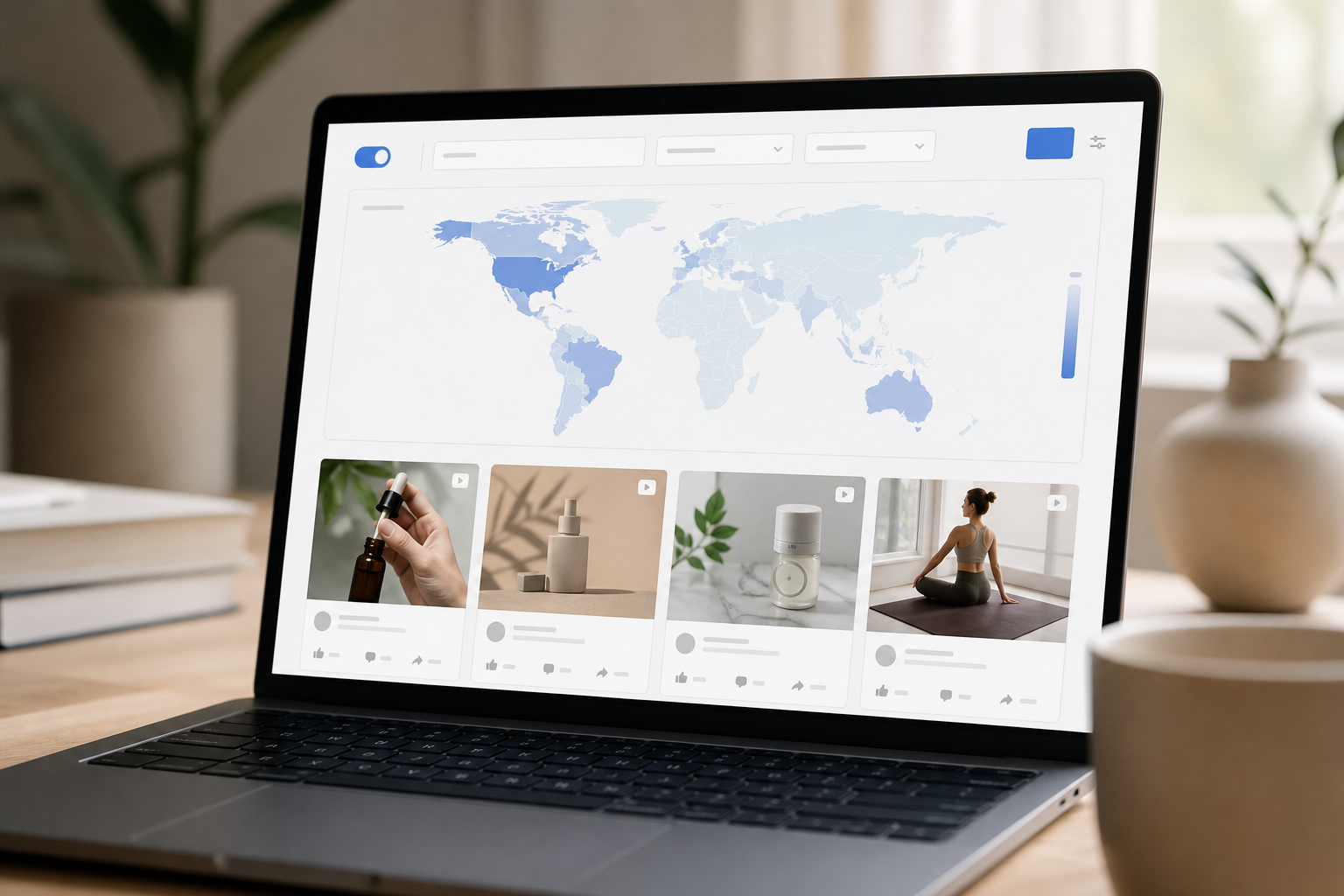
PowerAdSpy vs. Dropispy vs. Minea: Honest Comparison for Agency Use
Agencies need platform breadth, Shopify depth, and team pricing that scales. Here’s where each tool stands in 2026 for a shopify and ecommerce ad spy use case.
- Platform coverage: PowerAdSpy offers AI-powered ad intelligence across Facebook, Instagram, TikTok, Google, Reddit, Pinterest, and more. Dropispy focuses mainly on Facebook, while Minea covers several social channels but less on Google and Display. If your clients split spend across Meta, Google, and TikTok, breadth reduces tool hopping.
- Shopify-specific features: PowerAdSpy includes an eCommerce platform lander filter that flags Shopify stores, plus CTA and engagement sorting. Dropispy can find Shopify ads but lacks the same depth in funnel and CTA filters. Minea has product and UGC tracking strengths but fewer export and funnel fields.
- Geo coverage and data scale: PowerAdSpy indexes millions of ads from over 100 countries with thousands added daily. That scale matters when you work on global brands and want reliable “last seen” signals by region.
- Pricing at agency scale: PowerAdSpy tiers range from $69/mo to $399/mo (or $29–$125/mo billed annually). Compared to alternatives that charge per seat, the higher tiers fit teams without runaway costs.
“We have reduced A/B testing costs and also have improved revenue!” — Archie Gilbert, Co-Founder
Where could competitors edge out? Minea’s product discovery angles can be handy for dropship-focused teams. And if you only need Facebook data for one market, Dropispy’s narrower focus might suit a lean budget. But for 5–50 client rosters and mixed-channel plans, the broader coverage, Shopify filter, and export options in PowerAdSpy tend to win.
Quick feature snapshot
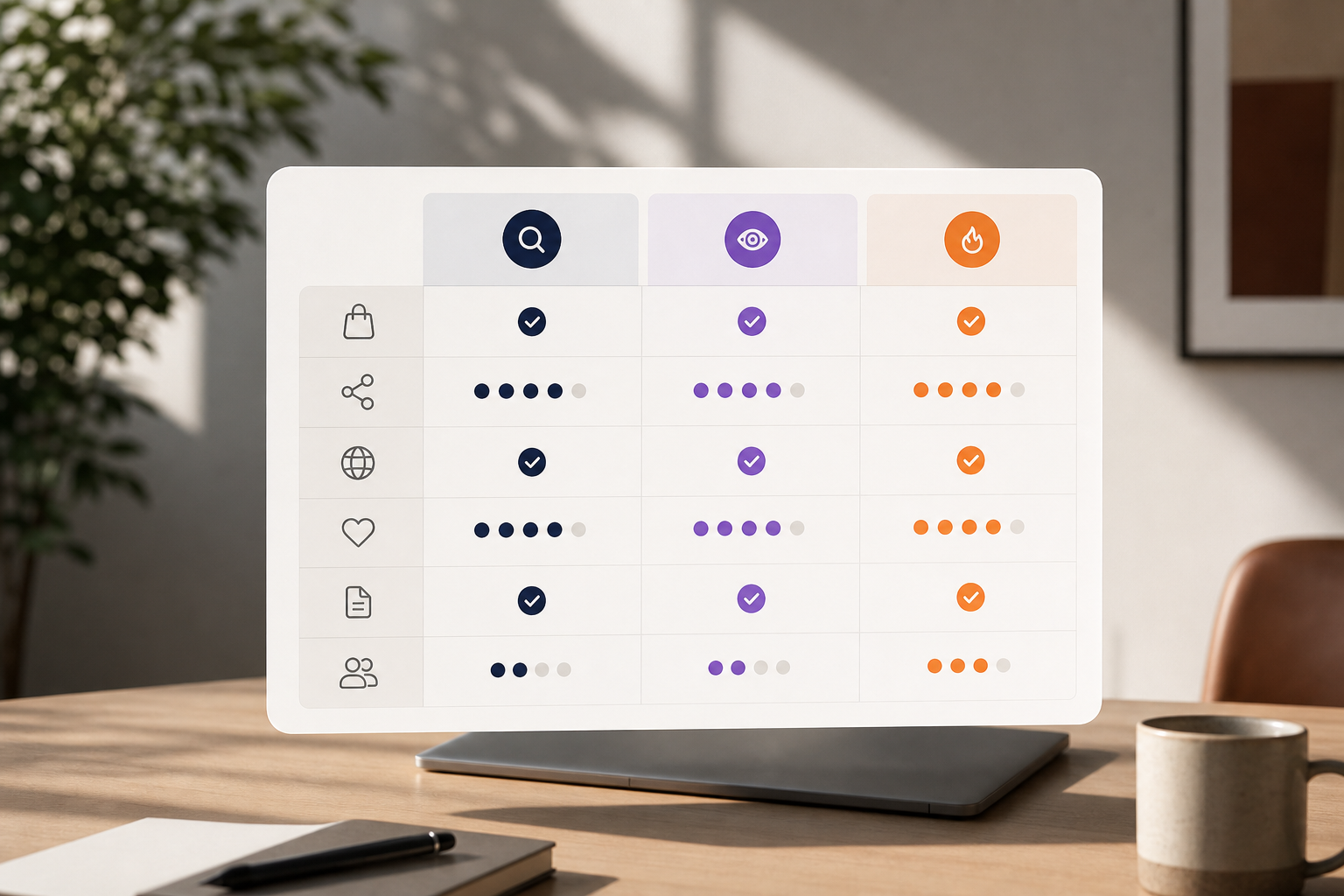
| Criteria | PowerAdSpy | Dropispy | Minea |
|---|---|---|---|
| Shopify lander filter | Yes | Partial | Partial |
| Platforms covered | 10+ (FB, IG, TikTok, Google, Reddit, Pinterest, YouTube, Quora, Native, Display) | ~1–2 (FB focus) | Several socials |
| Geo coverage | 100+ countries | Limited | Strong in select regions |
| Engagement + CTA sorting | Yes | Basic | Mixed |
| Exportable reports | Yes | Limited | Limited |
| Agency-scale pricing | $69–$399/mo (or $29–$125/mo billed annually) | Budget-friendly | Mid-high |
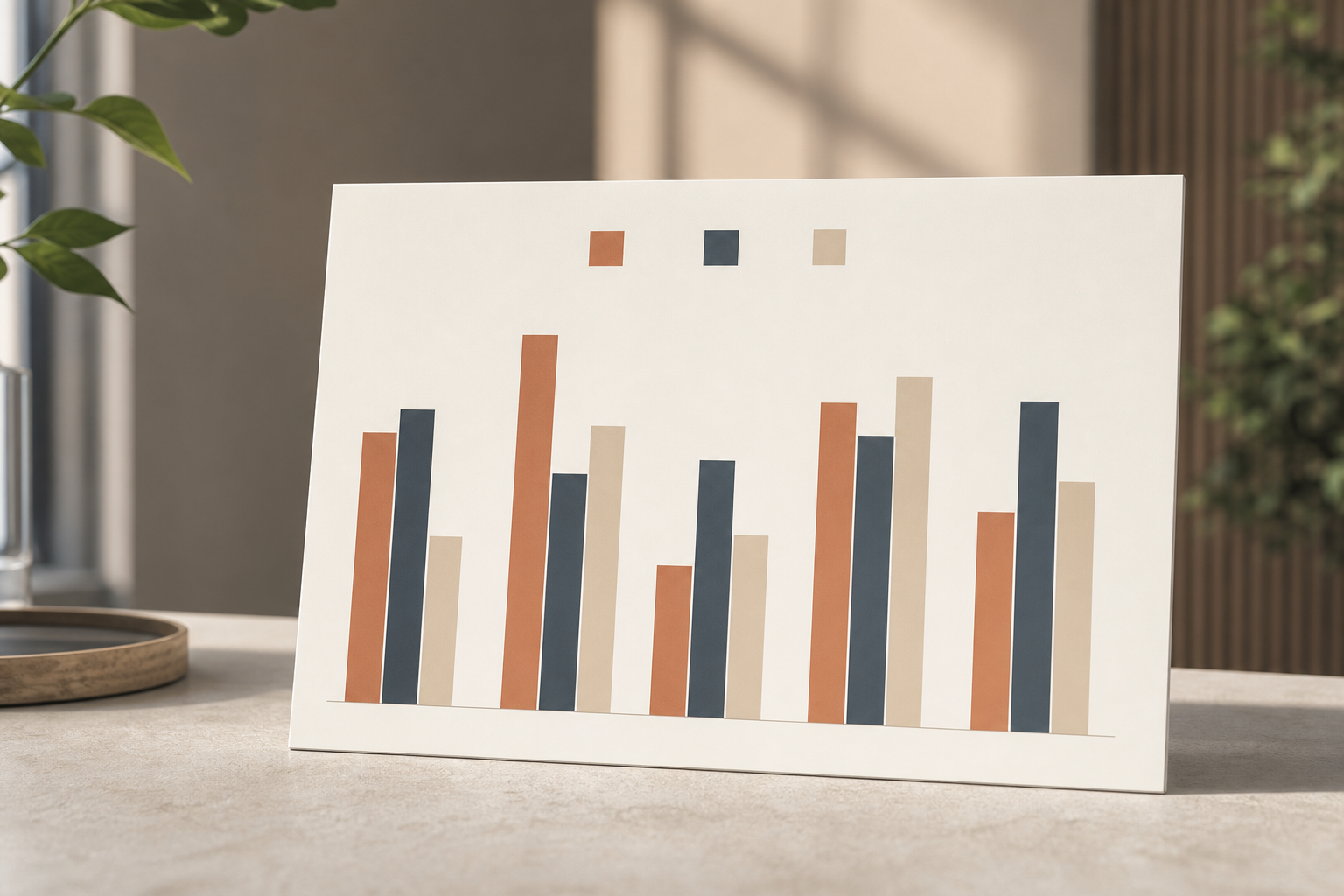
Trust Signals: PowerAdSpy by the Numbers
You want proof that a tool can help your team move faster and make smarter calls. Here are the numbers that matter, backed by how agencies use the product each week.
PowerAdSpy’s database spans millions of ads from over 100 countries. Thousands of new ads are added daily, so your “post date” and “last seen” filters reflect what’s live now. That freshness helps your analysts avoid stale creative and skip low-probability tests.
On outcomes, users report a 15% reduction in A/B testing volume in under two months. In parallel, the platform drives a 19% improvement in user revenue with decreased workforce and increased efficiency. And 23% of users find PowerAdSpy affordable, easy, and full enough to replace their patchwork of tools. Those gains align with what agency leaders want: less tool sprawl, more time back.
“PowerAdSpy’s FB ads spy tool transformed our ad strategy. We can now spy on top ads, uncover hidden targeting, and see real-time competitor insights. It’s helped us reduce testing time and boost conversions. A must-have tool!” — Archie Gilbert, Marketing Director
As an added note, 26% of users save at least one full day preparing for an advertising project. For a 6-person team, that can free a full week across a month. That’s real room for creative sprints and client strategy.
Also Read!
How to Use Multi-Platform Ad Spy Tools to Find Winning Products for Dropshipping
Getting Started: Onboarding PowerAdSpy for Your Agency
A tight rollout gets your first wins in week one. Here’s a simple path that works for 5–50 client teams using a shopify and ecommerce ad spy process.
Step 1: Pick the right tier
Pricing tiers run from Basic ($69/mo) to Palladium ($399/mo), with annual options at $29–$125/mo. Most small-to-mid agencies do well on Premium or Platinum as they add more seats. If you plan shared workflows and exports for several accounts, check Titanium or Palladium.
Step 2: Set up dashboards
Use dashboard personalization to pin the platforms your team checks daily. Add saved searches by niche and region. Then create Shopify-ecommerce filters that match each client’s market, AOV, and current push.
Step 3: Build bookmark folders per client
Use the Bookmark feature for saving and organizing preferred ad concepts. Create folders by hook (“Before/After”, “UGC Testimonial”, “Problem–Agitate–Solve”), by funnel step (cold, warm, retargeting), or by product line.
Step 4: Export your first competitive brief
Run domain and advertiser searches for the top 5 rivals. Sort by “last seen” and CTA, then export detailed ad performance reports. Send the deck to your client with three test-ready angles and wireframes for video and static.
Step 5: Train the team
Host a 45-minute session on saved searches, lander properties, and exports. Assign one person to maintain a weekly “wins” folder so designers and buyers draw from the same playbook.
**Compare plans, instant quote →

Frequently Asked Questions
Does PowerAdSpy have a dedicated Shopify ad spy filter?
Yes. PowerAdSpy lets you filter for Shopify-powered landing pages and ads, and it shows complete engagement details so you can judge traction. Use the eCommerce platform lander filter to isolate Shopify stores in seconds. Then add CTA and geo filters to refine your sample. This saves hours versus manual checks.
How much does PowerAdSpy cost for an ad agency managing multiple clients?
Plans range from $69/mo (Basic) to $399/mo (Palladium), or $29–$125/mo billed annually. Mid-tier plans like Premium ($179/mo or $67/mo annually) fit most small-to-mid agencies. If your team needs shared workflows and heavy exports, review Platinum or above. You can switch tiers as your client roster grows.
How does PowerAdSpy compare to Dropispy for Shopify ad research?
PowerAdSpy covers 10+ platforms. Facebook, Instagram, Google, YouTube, TikTok, Reddit, Pinterest, Quora, Native, and Display, while Dropispy focuses mainly on Facebook. For cross-platform Shopify insight, broader coverage reduces tool switching. If you only run one market on Facebook, Dropispy may suffice, but multi-channel agencies gain more with PowerAdSpy.
Can I export competitor ad reports for client presentations?
Yes. PowerAdSpy supports exporting detailed ad performance reports, including links to live posts. Agencies use exports to build briefs without manual screenshotting. You can sort by post date or last seen to keep decks fresh. This also standardizes client reviews.
How accurate and up-to-date is the ad database?
The database spans millions of ads across 100+ countries with thousands of new ads added daily. You can sort by post date or “last seen” to target current campaigns. This helps you avoid outdated angles. It also improves your test design by pointing at ads still in rotation.
Is PowerAdSpy worth it if I already use Facebook Ad Library?
Ad Library lacks engagement data, CTA sorting, geo filters, and ecommerce platform detection. PowerAdSpy adds the analysis layer agencies need to cut waste. Users report 15% less A/B testing within two months, which lowers costs and speeds up learnings. Your team also saves time with exports and bookmarks.
Can multiple team members in my agency use one PowerAdSpy account?
Higher-tier plans support expanded usage suited for agencies. Check the Titanium or Palladium tiers for broader access and workflow needs. Dashboard personalization lets each person pin platforms and saved searches by client. Shared bookmarks keep strategy and design in sync.
What platforms does PowerAdSpy cover beyond Shopify ads?
PowerAdSpy spans Facebook, Instagram, Google, YouTube, TikTok, Reddit, Pinterest, Quora, Native ads, and Display ads, 10+ platforms total. This cross-platform view is key for agencies that plan budgets across channels. It also helps you spot hooks that port from one channel to another.
For a Meta-focused deep dive, see Best Facebook Ad Spy Tool for Dropshippers in 2026. And for fast creative research on short-form video, use our TikTok ad library guide as a side reference.
Final Takeaways
- Buy for fit, not flash. You need Shopify detection, cross-platform data, CTA and geo filters, and clean exports to brief your team.
- Save time where it counts. Users report a 15% cut in A/B testing and that 26% save at least a full day of prep — gains that stack across 5–50 clients.
- Standardize your workflow. Bookmarks, saved searches, and exports make creative hand-offs faster and clearer.
If you run multi-client ecommerce in 2026, the case is simple: cut manual browsing, use live data, and ship briefs that test smarter. PowerAdSpy gives you the filters and exports to do it.