The fastest way to stop wasting Facebook budget in 2026 is to model what already wins, then test less. A facebook ad spy tool shows you proven ads so you can skip guesswork and scale with fewer spins of the wheel.
Here’s the direct answer small businesses ask: Yes, you can lower testing costs and raise revenue by studying live competitors’ ads first, then running lean tests. In fact, users of one large ad research platform reported a 15% reduction in A/B testing volume within two months and a 19% improvement in revenue with less workforce (Source: PowerAdSpy user outcomes, 2026). Those gains are only possible with access to a big, fresh dataset. Tools that index millions of ads from 100+ countries, across 10+ platforms, make that possible.
However, you still need to buy smart. The right tool should fit under $100/month, be simple to use, and surface the exact ads, CTAs, and placements that drive sales in your niche. This guide breaks down how to choose, what to test, and why PowerAdSpy stands out for budget-conscious owners who distrust hype.
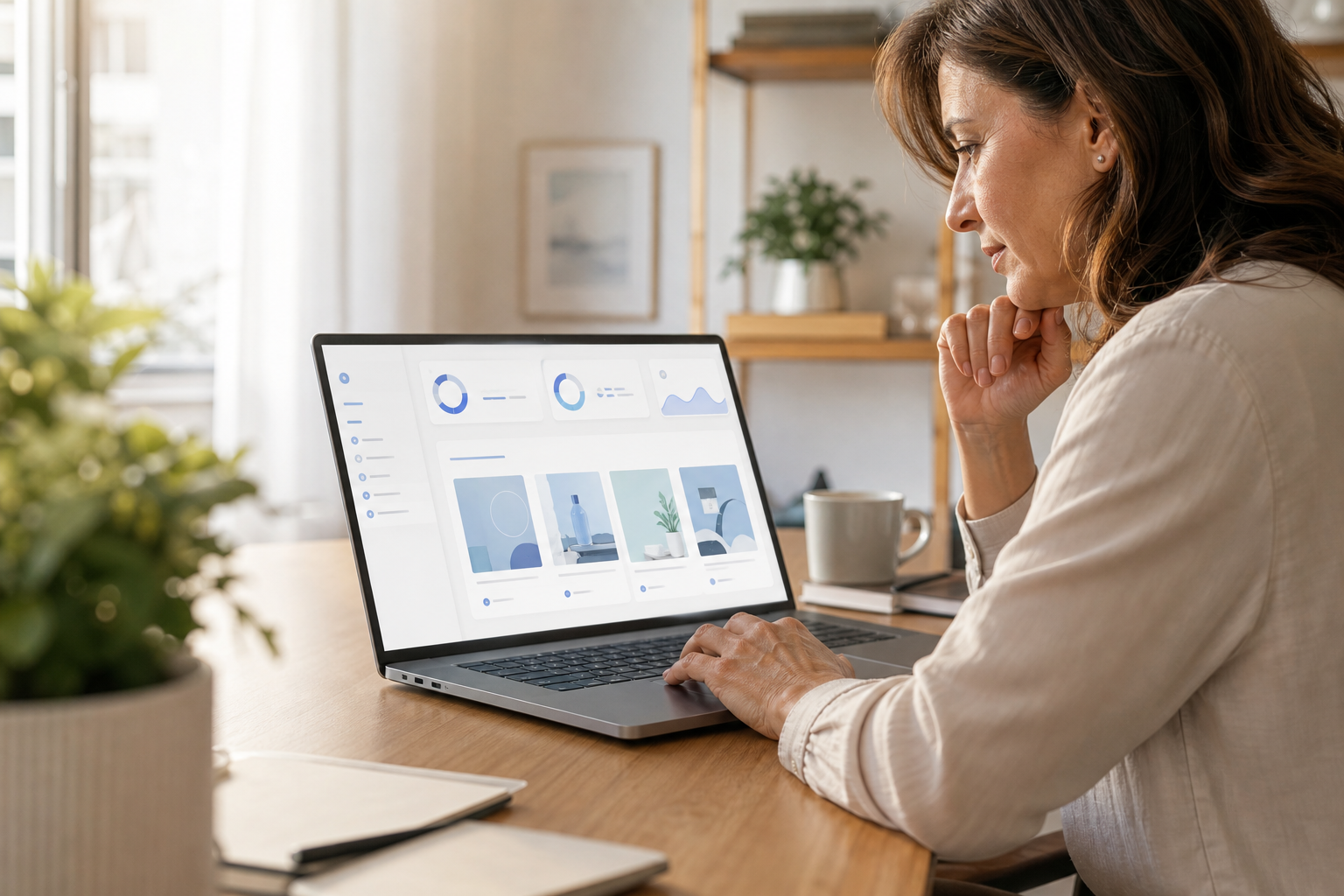
Why Small Businesses Struggle With Facebook Ads (And How Competitor Intelligence Fixes It)
If you’re spending $20–$50 per day, you can’t afford waste. Every extra test steals budget from the ads that could be working now. Without visibility into what rivals run, you end up testing headlines, images, and hooks that never had a chance. That’s not a strategy. That’s a coin toss.
Moreover, pure A/B testing gets pricey fast. Run eight variants at $10/day for five days, and you’ve spent $400 before you’ve learned much. According to A/B testing basics, tests need clean hypotheses and enough data to be valid. Yet small accounts rarely reach significance before cash runs out.
As a result, many teams call “winners” on thin data and scale the wrong ads. The loss is not just spend. It’s time.
In addition, creative fatigue hits hard. You launch two image ads and one video. One limps along, two die.
Creative fatigue and oversights
What now? Without a gallery of working angles in your niche, you copy your own past work, not the market’s best. That caps your ROAS.
Competitor intelligence changes this. When you can sort live ads by likes, shares, comments, and age range, you see real demand signals. When you can filter to your country and placement, you avoid chasing fads from other regions or placements that don’t match your funnel. When you can review CTAs by category, you learn whether “Shop Now” or “Learn More” wins in your space.
Finally, a facebook ad spy tool reduces risky blind tests. Instead of “What if a UGC clip helps?”, you find five UGC ads in your niche with strong engagement, study their hooks, then test one or two tight variants. That’s cheaper and faster. It’s also how small budgets compete with brands 50x your size.
The hidden costs you can avoid
- Guessing at creative themes that never fit your buyer
- Running long tests that never reach significance
- Copying stale winners and ignoring fresh trends
- Targeting the right user but the wrong placement
What to Look for in a Facebook Ad Spy Tool as a Small Business
You need reach, relevance, and restraint. Reach means a large, fresh dataset so your “inspiration” isn’t last year’s trend. Relevance means filters that narrow the haystack to your exact buyer, geo, and placement. Restraint means a price you can justify when cash is tight.
Start with the dataset. Look for tools that index millions of ads from 100+ countries with thousands added daily. That level of scale reduces bias and ensures your search won’t hit dead ends.
Then check filter depth. You should be able to search by keyword, advertiser, or domain; filter by country and device; and sort by engagement signals like likes, shares, and comments. The ability to filter by Ad Positions (Feed, right column, Marketplace, video feed) matters if your buyer reacts differently across placements.
Pricing and usability
Pricing is next. As a small team, you should not cross $100/month to get real value. Annual billing under $50/month for core features is ideal if you can swing a prepay. Monthly flexibility at a fair rate is useful if you want to test for a quarter before committing.
Moreover, ease of use is not fluff. You should run a domain search, add two filters, and sort by engagement in under two minutes. If the UI slows you down, you won’t use it during the rush of campaign build days. Integration for Shopify and other ecom stacks also helps. When you can search ads tied to store platforms or affiliate networks, you get lander clues you can act on fast.
Non‑negotiables for 2026 buyers
- Data scale: millions of ads across 100+ countries
- Filters: Ad Positions, CTA sorting, keyword/domain/advertiser search
- Engagement sorting: likes, shares, comments; running longest
- Geo/device targeting: country, age, gender, and device filters
- Budget fit: real value under $100/month, lower with annual billing
- Ecom depth: Shopify search and lander property filters
For budget planning, use a simple calculator to map testing vs. scaling spend. This free tool helps you allocate dollars before you launch: facebook ad budget. Pair smart planning with rich filters and you’ll cut waste without capping growth.
Also Read!
PowerAdSpy vs AdSpy for Small Businesses: Which Is Better for Facebook Ad Spying?
How to Use Facebook Ad Spy Tools to Improve Your Small Business Ads
How PowerAdSpy Solves Facebook Ad Research for Small Businesses
PowerAdSpy was built for the “do-more-with-less” team. It combines big coverage with small-biz friendly filters so you can find working angles fast, then act. At its core, you can search by niche keywords, advertiser, or competitor domains; sort by likes, shares, comments, and date; and drill down by country, device, gender, and audience age. You can also filter by Ad Positions to isolate feed-only winners if stories or right-column placements don’t suit your funnel.
Specifically, the tool provides access to data on millions of ads from over 100 countries with thousands added daily. That scope matters when your niche is, say, high-ticket fitness or local home services. With engagement-oriented details and direct links to live posts, you can see real comments and sentiment before you borrow a hook. Then, with CTA sorting, you can compare “Book Now” vs. “Get Offer” in your category and back your choice with proof.
In practice, owners report leaner workflows. Per internal 2026 outcomes, users cut A/B test volume by 15% within two months and improved revenue by 19% with decreased workforce (Source: PowerAdSpy user outcomes, 2026). That only happens when research time drops. In fact, 26% of users save at least one full day preparing for an ad project, which can be the difference between launching this week or next.
“We used to struggle with Facebook ads for lead gen. PowerAdSpy helped us see what our competitors were doing right, and suddenly, things clicked.” — Steve Decker, SaaS Marketing Manager
Furthermore, PowerAdSpy’s Bookmark feature lets you save and organize ad concepts into boards. That makes handoffs to designers simple. The database includes both video and image ads, and the growing library of social video helps you spot trends in hooks, captions, and subtitles. If you run ecom, dedicated Shopify ad search plus lander properties (affiliate network, funnel, ecom platform) give you a clearer view of the full path, not just the creative.
Unlike alternatives that force multi-platform upgrades for basic filters, PowerAdSpy’s Basic tier keeps Facebook research accessible. And unlike dropship-focused libraries, its filters go beyond product hunt use cases to support services, SaaS, local, and B2B. If you need to pair research with targeting work, this practical guide will help you turn insights into action: facebook ad targeting.
Moreover, the UI stays fast. You can run a domain search, apply a country filter, pick “Feed” in Ad Positions, sort by “Running longest,” and bookmark five ads in under five minutes. That speed fits a small team’s day.
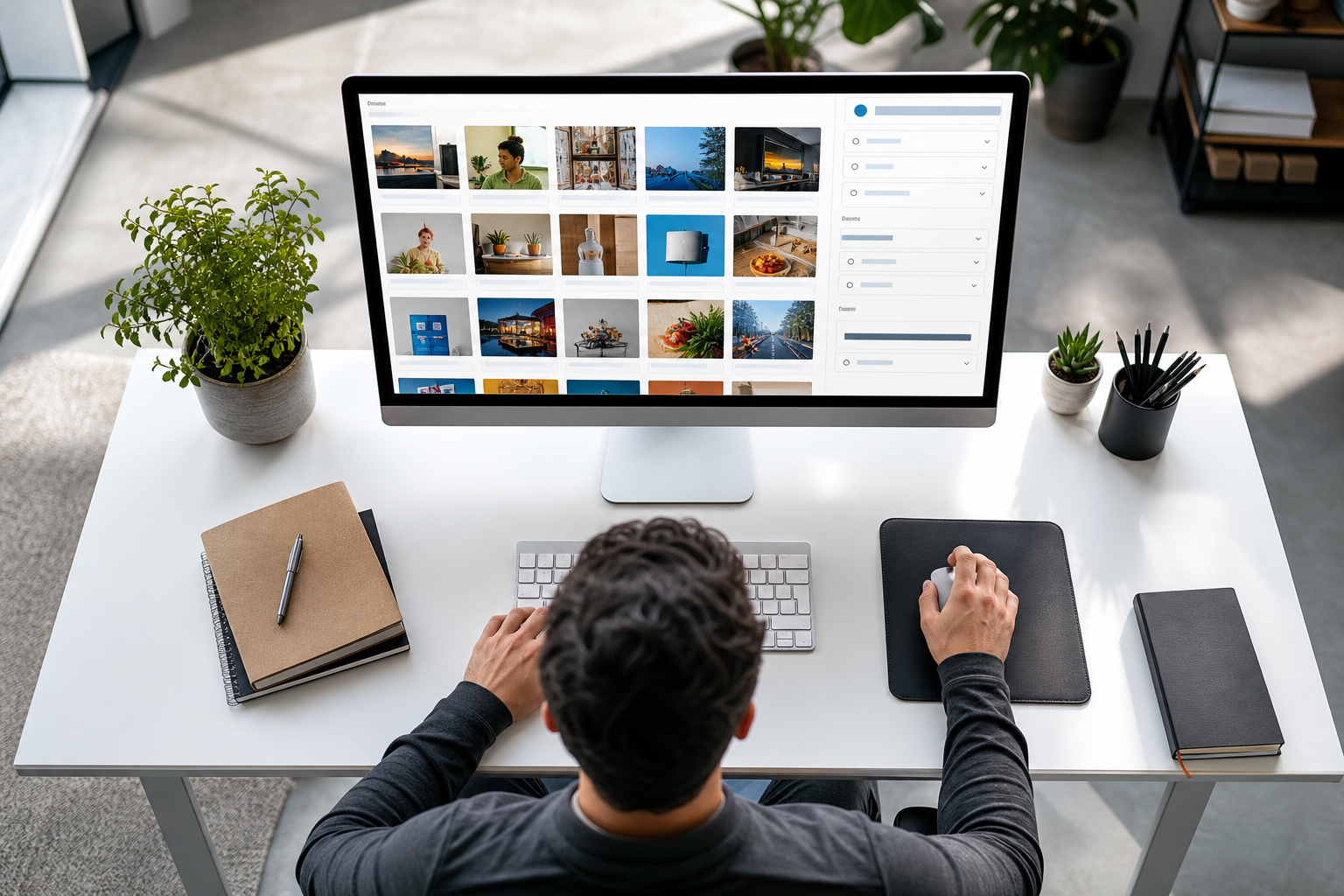
**Get instant competitive insights →
PowerAdSpy vs. AdFlex vs. Dropispy: Which Is Best for Small Budgets?
You want honesty, not hype. Here’s the head-to-head in plain terms. PowerAdSpy emphasizes deep Facebook filters, large-scale coverage across millions of ads, and multi-platform reach (Facebook, Instagram, TikTok, Google, Reddit, Pinterest, and more). It offers accessible annual pricing for small teams: Basic at $29/month billed annually (or $69 monthly) and Standard at $42/month billed annually (or $129 monthly). Those two tiers cover serious Facebook research without forcing you into a high plan.
AdFlex is a solid competitor with a clean interface, but it covers fewer platforms compared to PowerAdSpy. If your work spans social, search, and video, you may outgrow it faster as you branch into Instagram Reels or YouTube. Dropispy, on the other hand, is popular for dropshipping research. If you only hunt impulse-buy products, that focus can help. But if you sell services, high-ticket goods, or B2B, you’ll want richer filters beyond product spy features and broader platform breadth.
Where PowerAdSpy pulls ahead for small budgets is filter granularity. You can filter by Ad Positions, sort by CTA, run keyword/domain/advertiser searches, and slice by country, device, age, and gender. You can also visit live posts to scan comments and see real-time sentiment before you bet budget.
“Running ads for multiple clients can be stressful. This Facebook ad spy tool made life easier. We’ve cut back on testing time and launched campaigns that get results.” — Charlotte Neilson, Digital Marketing Strategist
Pricing clarity is another factor. PowerAdSpy’s published rates keep you under $100/month at the entry tiers, with the option to prepay annually to drop to $29 or $42 per month for Basic and Standard. That’s squarely in small-business range. In fact, 23% of users call PowerAdSpy affordable, easy, and full (Source: PowerAdSpy user feedback, 2026). If you work with a few clients on the side, you can also compare against agency needs here: PowerAdSpy vs AdSpy for Ad Agencies: Which Is the Better Facebook Ad Spy Tool?
Finally, think long-term. If you plan to add TikTok, YouTube, or Google Display this year, a multi-platform library saves you from buying a second tool later. PowerAdSpy covers 10+ platforms under one roof, so your research process stays consistent across channels.
 , Facebook filter depth (CTA, Ad Positions), Shopify/ecom search; clean, neutral colors)
Also Read!
PowerAdSpy vs SpyFu for Ad Agencies: Which Is Better for Competitor Ad Search?
How to Use Facebook Ad Spy Tools to Find Winning Affiliate Offers
Trust, Scale, and the Numbers Behind PowerAdSpy
Trust starts with scope you can verify. PowerAdSpy indexes millions of ads from over 100+ countries, and it adds thousands each day. That breadth helps you avoid bias from a small sample and spot fresh ideas faster. It also gives you confidence that the “winner” you copy still runs today.
Scale continues with platform coverage. PowerAdSpy provides AI-powered ad intelligence across 10+ platforms including Facebook, Instagram, TikTok, Google, Reddit, Pinterest, YouTube, Quora, and more. For a small business, this means your research method stays the same as you expand, and you won’t juggle four dashboards.
Outcomes matter most. According to 2026 user outcomes, teams see a 15% reduction in A/B testing volume within two months and a 19% improvement in user revenue with decreased workforce and increased efficiency (Source: PowerAdSpy user outcomes, 2026). In addition, 26% of users save at least one day preparing for an ad project. These numbers don’t promise magic. They point to time saved and fewer blind tests, the stuff you feel in your weekly cash flow.
“We have reduced A/B testing costs and also have improved revenue!” — Archie Gilbert, Co‑Founder
If you sell with Shopify or another ecom platform, PowerAdSpy’s Shopify search and lander property filters make that research even more practical. For a deeper how-to on ecom-specific workflows, see this step-by-step guide: Small Business Owner’s Guide to Using a Shopify Ad Spy Tool.
How to Get Started With PowerAdSpy as a Small Business
Getting value fast comes down to a simple first workflow. The Basic plan is $29/month billed annually (or $69 monthly) and is enough for focused Facebook research. You can upgrade later if you add more platforms or higher usage.
- Step 1: Sign up and set your goal. Decide if you’re seeking creative angles, CTAs, or placement insights. This choice shapes your first filters.
- Step 2: Run a competitor domain search. Enter a rival’s URL to pull live creatives. Then sort by likes, shares, and comments. Open a few live posts to read comments for pain points and objections you can use in copy.
- Step 3: Apply geo + CTA filters. Choose your target country and pick CTAs like “Learn More” or “Shop Now.” Compare engagement by CTA to guide your first tests.
- Step 4: Use Ad Positions. Select feed or video feed to study only the placements you plan to buy. Save five examples that match your format.
- Step 5: Bookmark winners. Use the Bookmark feature to organize ad concepts by theme (UGC, testimonial, discount, explainer). Share links with your designer or writer.
- Step 6: Build a lean test. Launch 2–3 variants that mirror the best elements you found. Keep budgets tight and watch comments for fast signals. For copy prompts, this reference helps: facebook ad copy.
**Start with Basic, $29/mo annual →

Frequently Asked Questions
How much does PowerAdSpy cost for a small business?
The Basic plan starts at $29/month billed annually, or $69 on a monthly subscription. For most small businesses, Basic covers Facebook ad research needs. If you have heavier usage or want more features, the Standard plan is $42/month billed annually (or $129 monthly). You can start small and upgrade if your workflow grows.
Is PowerAdSpy accurate enough to base ad decisions on?
The database includes millions of ads from 100+ countries, with thousands added daily. That scale reduces bias and helps you find current, working ideas rather than stale ones. Users report a 15% reduction in A/B testing volume within two months and a 19% revenue improvement with decreased workforce (Source: PowerAdSpy user outcomes, 2026). Those outcomes suggest the data is actionable for real decisions.
How does PowerAdSpy compare to Facebook’s free Ad Library?
The free library shows active ads, but it lacks engagement sorting, CTA filters, geo filters, and competitive analytics. You also can’t easily analyze by ad position or audience details. PowerAdSpy adds sorting by likes, shares, comments, audience age, and ad position, which helps you pick stronger tests. It’s not about hiding data; it’s about making it usable.
Can I use PowerAdSpy to spy on competitor Shopify store ads?
Yes. PowerAdSpy includes a dedicated Shopify ad search with full engagement details. You can also search by lander properties such as eCommerce platform and affiliate network to map parts of the funnel. This makes it easier to see not only which ads work but also where they send traffic.
What if I only need Facebook — do I still need multi-platform plans?
No. The Basic plan provides Facebook ad research access, so you can start focused. Multi-platform coverage across Instagram, Google, YouTube, Reddit, and Pinterest is available when you’re ready. You can grow into those channels later without switching tools.
Are there better alternatives to PowerAdSpy for small businesses?
AdFlex and Dropispy are strong options. Dropispy focuses on dropshipping ads, which can be useful for impulse-buy product hunting. AdFlex covers fewer platforms than PowerAdSpy but has a clean workflow. PowerAdSpy offers deeper filters and broader coverage at a competitive annual price for small budgets.
How quickly can I find winning ad ideas with PowerAdSpy?
According to user outcomes, 26% of users save at least one day on ad project prep (Source: PowerAdSpy user outcomes, 2026). If you search by competitor domain or a niche keyword, sort by engagement, then bookmark top ads, you’ll get usable ideas in your first session. From there, your first lean test can launch within hours, not days.
Key Takeaways for 2026 Small-Business Advertisers
- Model what already wins. Use engagement-sorted examples by geo, CTA, and placement to cut waste.
- Keep research affordable. The Basic plan at $29/month annually keeps core Facebook work under budget while still giving you deep filters.
- Save time, test smarter. Users see a 15% test reduction and 26% save a day of prep, which supports more launches with the same team.
If you want a practical path to better ads this year, start with research, not guesswork. Then run smaller, sharper tests.