

26% of users save at least one day preparing for an advertising project. That time back matters when you’re the owner, the marketer, and the support team. A shopify and ecommerce ad spy helps you see which ads work in your niche so you stop guessing and start modeling what’s proven.
You’ll spot live creatives, hooks, formats, and placements your rivals run. Then you adapt the best parts for your store and skip dead ends. In 2026, that’s the fastest way to turn a small budget into consistent traffic without burning cash on blind tests.
Here’s the short version: use an ad spy tool to scan your market, rank ads by engagement and recency, note common angles, and build test ads that borrow the structure but fit your brand. You’ll reduce testing volume early (even the data shows a 15% drop in A/B testing for new users under two months) and learn faster. This guide shows the exact steps, pitfalls, and tools that work on a tight budget.
What Is a Shopify Ad Spy Tool and Why Should Small Businesses Care?
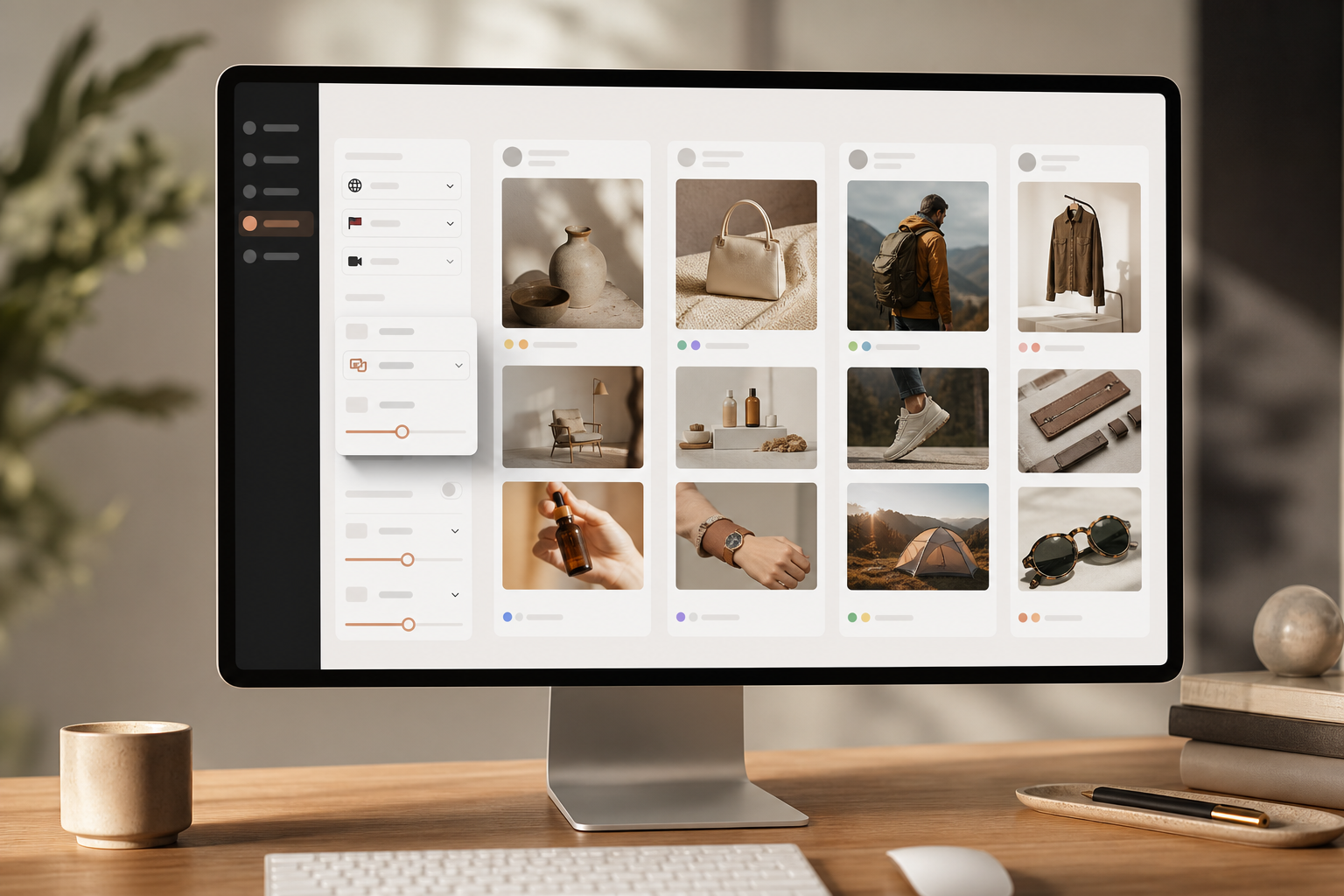
A Shopify ad spy tool is simple: it’s a searchable database of live and past ads from Shopify stores and other ecommerce brands. You can search by keyword, advertiser, or domain, then see the creative, copy, call to action, landing page, and public social engagement. In short, it shows you what’s running and what’s working right now.
For budget-constrained stores, this matters because it cuts down on waste. Instead of throwing $500 at five unproven ideas, you start with what’s already gaining clicks and comments. As a result, you run smarter tests and ship better creative in less time. Tools in this space let you search and analyze Shopify ads with complete engagement details, not just thumbnails.
In addition, scale is key. Data includes millions of ads from over 100 countries. That reach helps even in niche markets. You may sell pet grooming kits in the UK, but the best hook you’ll test might come from a US ad, adapted to UK shipping and phrasing. Because you can filter by geo, device, and placement, you’ll see patterns that map to your audience, not someone else’s.
What these tools actually reveal
- Creatives: formats (video vs. image), angles, and first three seconds of the hook.
- Copy: headline structures, benefit stacks, social proof use, and CTAs.
- Targeting clues: countries shown, devices, and placements like Feed vs. Reels.
- Landing paths: ad-to-lander flow and offer layout you can adapt to your store.
Tip: Use this section to set guardrails for your brand. You’re modeling structure, not stealing text or design.
How to Spy on Shopify Competitor Ads in 5 Steps
You don’t need a big team to do this well. Give yourself one focused week and follow these steps. Use the same method each month to keep your edge.
Step 1: Identify 5–10 true competitors
Pick stores that sell your product or solve the same problem at a similar price. Add a couple of “aspirational” brands one tier up. Keep a plain-text list of domains and brand names you’ll search.
- Include both direct and near-neighbor niches to widen the net.
- Add two brands you personally buy from; you’ll spot patterns faster.
Step 2: Search by domain and niche keyword
Start with Domain Search on each competitor. Then layer in Keyword search and Advertiser Search to catch related brands and products that don’t rank in SEO yet but spend on ads.
- Use exact product terms (e.g., “silk pillowcase”), benefits (“no-crease hair”), and problems (“frizzy hair sleep”).
- Check multiple platforms: Facebook, Instagram, TikTok, Google, Reddit, and Pinterest to see where your niche pulses.
Step 3: Filter by engagement and recency
Sort ads by post date, when last seen, or domain registration date. Then filter by Ad Positions to segment and analyze social ads based on their placement (e.g., News Feed vs. Stories vs. Video Feed).
- Sort by likes, comments, and shares to create a quick “top 20” list.
- Note “running longest” as a proxy for ROI. If it’s still active after weeks, it’s doing something right.
Step 4: Analyze creative patterns that repeat
Look for structure, not slogans.
- Hook style: demo first vs. problem-first.
- Offer type: bundle, free gift, discount, or UGC testimonial.
- Visual format: 5–15 second native-feel video vs. clean product photo.
- CTA: “Shop Now,” “Get Yours,” or “Limited Stock.
Moreover, scan the comments via any “visit live post” links if available. You’ll learn what buyers praise or bash, which feeds your product page FAQ and ad copy.
Step 5: Build a swipe file and adapt, then test
Save the best ads to a swipe file. Then script three original variations that borrow the winning structure. For example, keep the demo-first flow and the “bundle + free gift” offer, but rewrite the copy and shoot your own clips.
For your first test, try small but real stakes. Run $10–$20 per ad set for 3–5 days to get directional data. Then cut losers fast and scale winners.
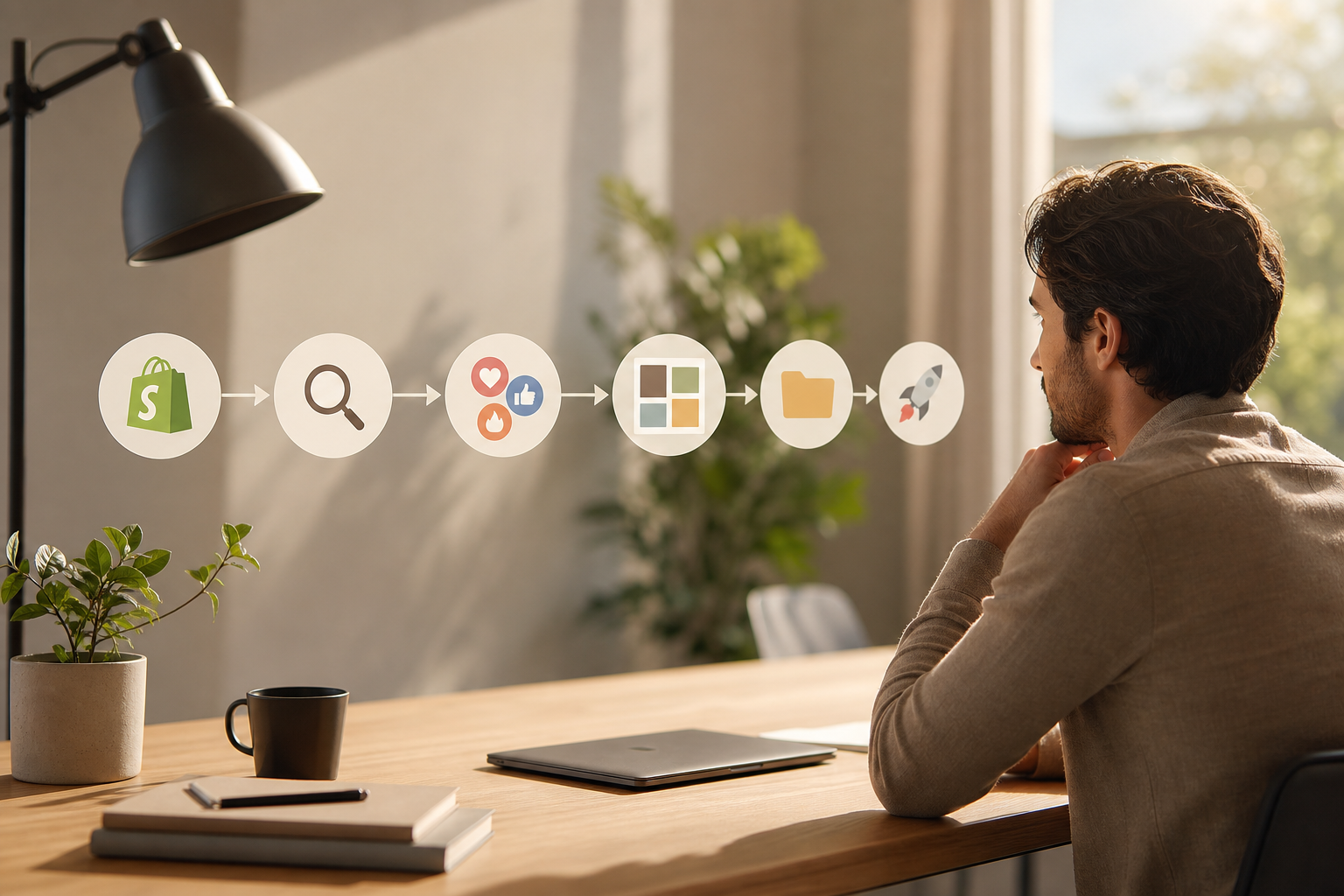
Pro move: Check placements one by one. The same creative can bomb in Stories but win in Feed. Ad Position filters make this easy.
As you follow this workflow, keep your notes tied to one goal: faster iteration. The aim of a shopify and ecommerce ad spy is not to “find the silver bullet,” but to shorten the path from idea to winner.
Also Read!
PowerAdSpy vs Adplexity for Ad Agencies: Which Is Better for Multi-Platform Ad Spying?
PowerAdSpy vs SpyFu for Small Businesses: Which Is Better for Competitor Ad Search?
5 Mistakes Small Businesses Make When Using Ad Spy Tools
Even with the right tool, poor habits slow results. Here are the common traps and how to dodge them.
1) Copying ads verbatim
You’ll risk account flags and brand damage. More importantly, an exact clone rarely fits your audience. Instead, borrow the spine: hook, benefit stack, proof, and CTA. Then write your own copy and shoot your own product clips.
2) Ignoring ad longevity data
A viral week doesn’t mean a stable ROI. Therefore, sort by “running longest” and “last seen” to judge endurance. Ads that run for weeks or months are far more likely to fund themselves.
3) Only spying on direct competitors
Broaden your view. For example, if you sell cold brew gear, watch tea and smoothie brands. You’ll find offer angles and visual styles that transfer.
4) Skipping engagement metrics
Likes are a hint. Comments and shares are stronger. Look for real buyer questions in comments and note “tag-a-friend” behavior. Those are signals of problem/solution resonance, not just a pretty ad.
5) Not testing variations
If you copy one structure and call it done, you cap your upside. Instead, build three variations per insight and run a light test. Do this weekly. Yes, it’s work. But even new users show a 15% reduction in A/B testing volume under two months of usage because they cut the nonsense and focus on informed tests. If you need a primer on sound tests, skim A/B testing for the basics and apply them to your ad sets.
Furthermore, watch for “engagement-oriented details provided for analyzing social interactions of ads.” Those details help you choose which angles deserve a test slot this week and which to park for later.
If you’re exploring short-form video channels, this quick read on the TikTok ad library will help you spot trends without getting lost in the scroll.
Also Read!
How to Track Ad Engagement for Affiliate Marketing Campaigns
Best Shopify Ad Spy Tools for Small Business Budgets
You don’t need the most complex suite to win. You need clear search, filters that match how you buy ads, and an interface you’ll actually use. Here’s a plain-English view of five tools people bring up, with a focus on Shopify-specific use, platform coverage, and ease for non-experts. Prices change, so check vendor pages before you commit.
PowerAdSpy (multi-platform depth with Shopify signals)
If you want reach across Facebook, Instagram, TikTok, Google, Reddit, and Pinterest, this one is strong. It’s an AI-powered ad tool with GEO-targeted information about competitor ads, plus full filters and reliable reports you can export. For budget planning, the Basic plan lists $69/Month or $29/Month billed annually, with higher tiers up to $399/Month or $125/Month billed annually. Search by keywords, advertisers, or domains, sort by post date or last seen, and filter by Ad Positions like News Feed or Side Location. That mix is practical for a one-person shop in 2026 that needs breadth without a learning cliff.
Minea (product discovery flavor)
Minea is widely mentioned for finding trending products and social posts tied to ecommerce. If you want to pair product ideas with social ads that push them, it’s a viable option. However, check whether domain-based search and Shopify-first filters meet your needs, and be ready to learn a product discovery workflow alongside ad spying.
Dropispy (focused on dropship discovery)
Dropispy appeals to dropshippers who want to connect hot products with running ads fast. If your store relies on quick product tests, it can fit. Still, weigh how flexible its ad placement filters and engagement sorting are for your use case, especially if you plan to expand beyond dropship-style offers.
BigSpy (broad catalog)
BigSpy is known for a large ad library and cross-network search. Small teams like the visual exploration angle. Before you commit, make sure it covers the placements and engagement details you plan to act on, not just a big catalog view.
Ecomhunt (curated product ideas with ads)
Ecomhunt leans into curation. You’ll see product picks paired with ad examples, which can speed up brainstorming. On the flip side, curation means you see what someone else chose to show, not always what you most need. Decide if that trade-off works for you.
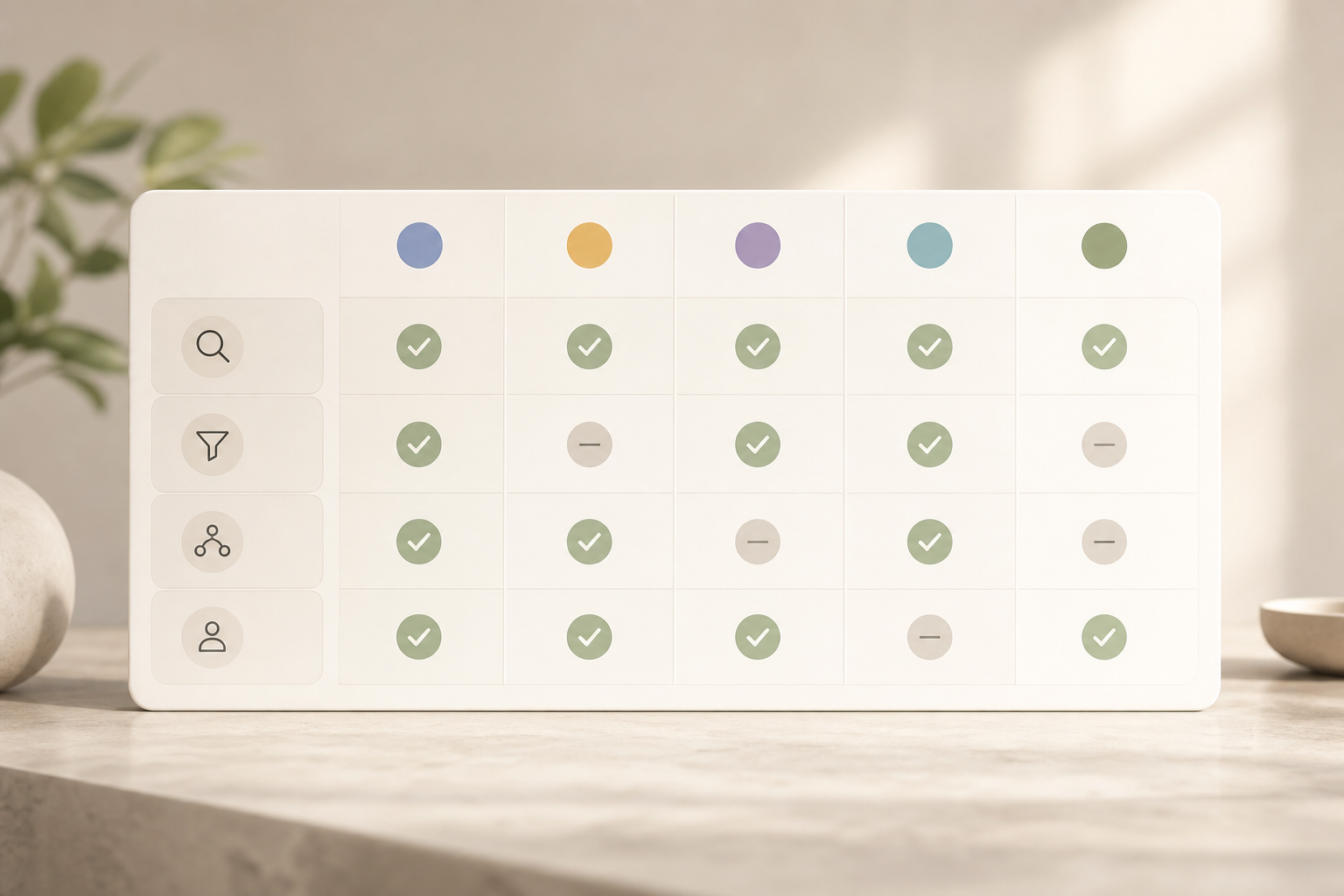
If you want a longer buyer’s view, bookmark this roundup of the year’s standouts: best picks for 2026. And if you run client accounts, this look at multi-platform choices helps: best multi platform ad spy for ad agencies in 2026.
Note on value: 23% of users report finding one tool affordable, easy, and complete, and 26% save at least one day per project. That time is cash back in your pocket.
Key Takeaways
- Start with structure, not slogans. Use ad spy data to model hooks, offers, and flows.
- Sort by “running longest,” “last seen,” and engagement to find stable winners.
- Build three ad variations per insight. Test small budgets for 3–5 days.
- Expand beyond direct rivals. Near-neighbor niches spark better creative.
- Use a shopify and ecommerce ad spy weekly. Trends fade; patterns endure.
What to Do This Week: Your First Ad Spy Sprint
Here’s a tight 5-day plan you can run even with a packed schedule. Block one hour each day. Keep your notes simple and action-based.
- Day 1 — Pick your tool and list competitors
Choose one tool and stick with it for the week. Add 5–10 domains and three niche keywords to search. Remember: data includes millions of ads from over 100 countries, so you won’t run out of samples. - Day 2 — Build your “top 20” ads list
Use Domain Search and Keyword search. Sort by post date and last seen. Filter by Ad Positions to separate Feed vs. Stories vs. Reels. Save 20 ads that show your product type, price point, or offer style. - Day 3 — Note patterns and gaps
Write down five repeating patterns across the 20 ads: hook style, offer type, visual format, CTA language, and landing flow. Flag two gaps your brand can own (e.g., better UGC, clearer benefits). - Day 4 — Draft three original variations
Script three ads that borrow the winning structure but fit your voice and assets. Prep a short video (10–15 seconds), one lifestyle image, and one clean product image. Because new users reduce noisy tests early, you’ll likely run fewer, better A/B trials and see faster learning (15% reduction in A/B testing volume under two months of usage). - Day 5 — Launch, track, and log
Launch the three ads with small budgets. Track clicks, ATC, and early ROAS. Log what worked. If you ship this sprint once a month, the compounding effect is real. In fact, users report a 19% improvement in revenue with decreased workforce and increased work efficiency.
For more niche-specific tactics, this walkthrough on finding winners pairs well with your sprint: dropshipper product-finding guide.

Final note for 2026: Keep a living swipe file and revisit it each quarter. Markets shift, but the habit of spotting and adapting proven patterns will keep your ads sharp and your spend sane.