I once burned $2,300 in three days on Facebook ads that never got a single purchase. A facebook ad spy tool would have saved that cash by showing me the angles and landers already pulling sales in my niche.
Here’s the answer you came for: to find winning affiliate offers in 2026, audit what’s already scaling on Facebook, study the creatives, landers, and target audiences behind them, and then ship your own clean variation fast. You’ll cut test volume, lower your CPA, and hit profit quicker than guessing from scratch.
However, blind testing still tempts us. I’ve been there. You see a new health supplement, a hot finance lead-gen angle, and you want to try ten hooks at once. Instead, use competitive ad intel first, then test fewer, smarter variants. For clarity on split tests, you can skim how A/B testing works on Wikipedia before you dive in.
Why Affiliate Marketers Need Competitive Ad Intelligence on Facebook
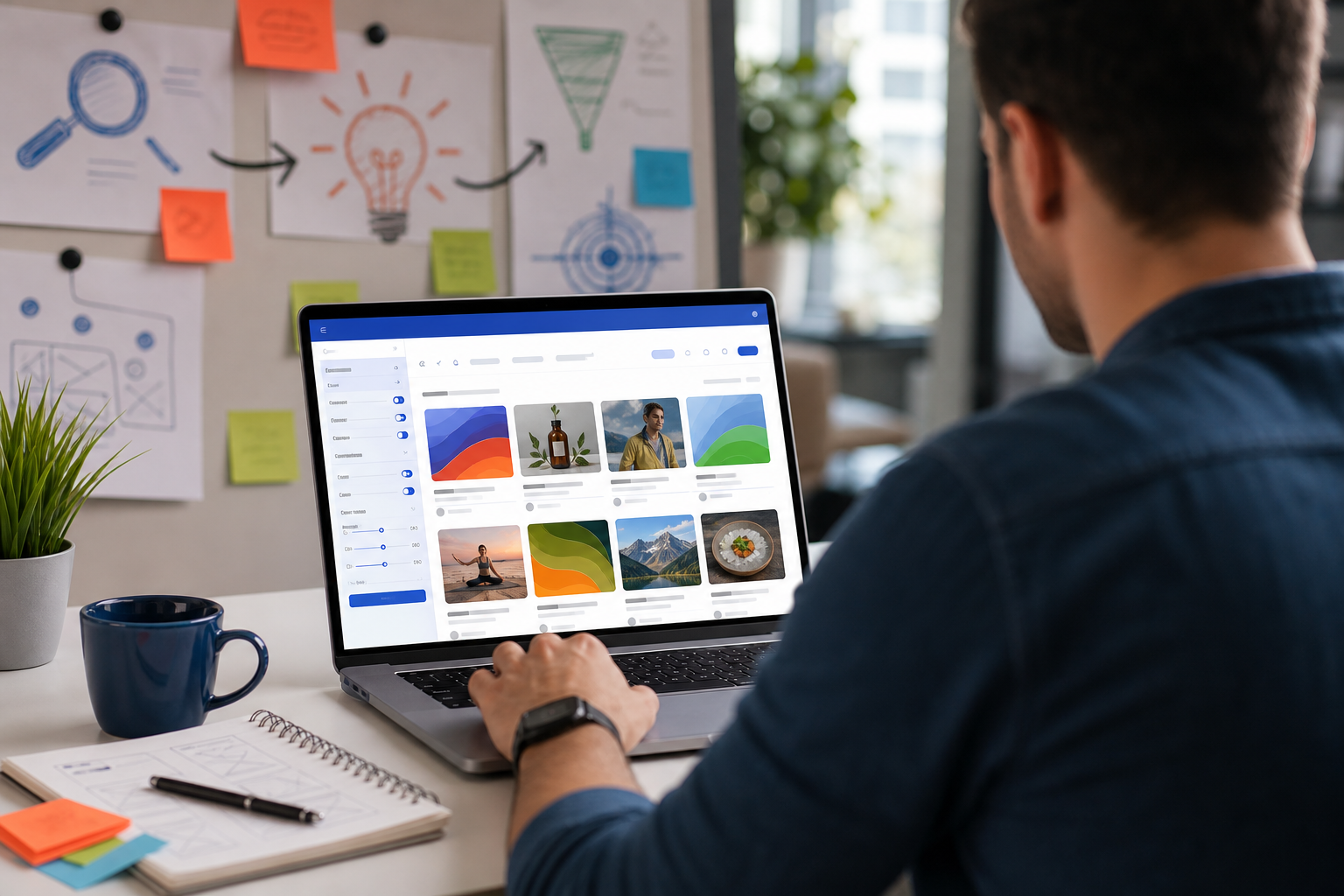
If you run paid traffic without intel, you pay a “tuition tax.” You spend to learn what others already know. Competitive research lowers that tax. You see real ads, in the wild, that survived Facebook’s auction and user scrolls. As a result, you copy the learning, not the ad, and skip dead ends.
In addition, the right platform gives you data on millions of ads across 100+ countries. That scale matters. For example, a skin serum might not work in the US, but it crushes in Southeast Asia with short UGC videos and “tap to shop” CTAs. Without geo insights, you’d miss that.
Moreover, PowerAdSpy user data shows a 15% reduction in A/B testing volume under two months and a 19% improvement in user revenue with decreased workforce and increased work efficiency. Source: PowerAdSpy user data. That’s the real edge: fewer wasteful tests, more productive work.
“It reduced my time on research tremendously! It felt like having a team of social media professionals by my side.” — Charlotte Neilson, Social Media Influencer
How Ad Intel Fixes Your Biggest Budget Drains
It replaces random tests with proven angles from your niche. It shows you ad longevity so you don’t chase fads that died last week. It confirms geo and device splits before you bid a dollar. And it exposes lander flow and CTAs, so you match funnel friction to user intent.
For a deeper primer on dialing the audience side, bookmark this guide on facebook ad targeting. It pairs neatly with the research steps below.
Step-by-Step: How to Spy on Facebook Ads and Find Profitable Affiliate Offers
Here’s the 7-step process I use after burning too much money the hard way. Follow it, and you’ll stop guessing.
Step 1: Pick One Niche Vertical (Not Three)
First, choose one: health (e.g., joint support gummies), finance (e.g., credit score repair), or ecom (e.g., posture correctors). Then write down your core promise, price point, and target demo. You can’t spot patterns if you mix niches.
Step 2: Search by Affiliate Network or Domain
Second, search by niche keywords, advertiser names, and competitor domains. Furthermore, use lander properties to find pages tied to a known affiliate network, funnel type, or marketing platform. For instance, in health, search “keto gummies” and filter for landers flagged with ClickBank or a quiz funnel.
Step 3: Filter by Engagement Metrics
Third, sort by popularity or impressions index, then refine by likes, comments, and shares. Specifically, aim for ads with strong ratios, not viral flukes. Moreover, use device filters (iOS/Android/Desktop/Mobile) to match where buyers convert best for your offer.
Step 4: Analyze Ad Longevity
Fourth, sort by running longest and check “first seen” vs “last seen.” If a credit repair lead-gen ad has run 45+ days, that angle probably works at scale. Therefore, note the hook, video length, and any compliance-safe claims.
Step 5: Study Landing Pages (Really Study Them)
Fifth, click through to visit live posts and landers. In addition, map the funnel: ad → pre-lander (quiz or blog advertorial) → offer page → checkout. For Shopify ecom, check price anchoring, trust badges, and upsells. In finance, look for short forms with low-friction fields and phone-field validations.
Step 6: Reverse-Engineer Targeting
Sixth, infer geo, age, gender, and placement from ad previews and comments. Also, note CTA types (Shop Now vs Learn More). Use GEO-targeted information about competitor ads and search ads by age group, gender, and country to lock your starter audience. If most comments read like 45+ US homeowners, don’t target 18–24.
Step 7: Build Your Variation
Seventh, keep the core angle, but change the face. Swap in your own brand voice, fresh creatives, and a compliant twist. Then test 3–5 ads, not 30. As a result, you ship faster and protect budget. And yes, track what you borrowed and what you changed, so you can prune or double down.
Health example: A joint support ad with a “morning stiffness” hook runs 60 days, so you build a 20-second UGC clip with the same pain point, a different actor, and a quiz pre-lander to warm traffic. Finance example: A “raise your credit score in 30 days” angle uses a short explainer video; you rebuild the angle with a clearer before/after graphic and stricter claims to stay safe. Ecom example: A posture corrector ad leans on “work-from-home back pain.” You test a split-screen testimonial, insert a 10% off exit intent on the lander, and swap CTA to “Shop Now.

Also Read!
PowerAdSpy vs Anstrex for Affiliate Marketers: Which Is Better for Competitor Ad Search?
5 Mistakes Affiliate Marketers Make When Using Ad Spy Tools
I’ve made each of these. Here’s how to avoid them starting now.
Mistake 1: Copying Ads Verbatim
Copying word-for-word kills you. Competitors get mad, platforms flag you, and users sense a clone. Instead, adapt the angle. Keep the problem and proof structure; change the story, visuals, and offer framing. For example, if they use a 30-second testimonial, you use a 22-second “day in the life” with the same pain point.
Mistake 2: Ignoring Ad Longevity
Don’t chase “viral yesterday” posts. Instead, sort by running longest and last seen dates. In addition, use date interval search to confirm if an ad restarted after a pause. You can also sort by domain registration date to avoid latching onto a brand-new, unproven lander.
Mistake 3: Skipping Landing Page Research
Creatives get the click; landers win the sale. Therefore, click through every time. Check load speed, headline clarity, social proof, checkout steps, and mobile UX. For finance lead-gen, test shorter forms. For Shopify, scan shipping times, returns, and trust icons. If you only copy the creative, you’ll miss half the win rate.
Mistake 4: Ignoring Geo, Demo, and Placement
You must align geo, age, gender, and ad placements. Specifically, use the ad position filter for News Feed vs Side Location and test Video Feed if the creative is motion-first. Then layer in age and gender filters to match the prospect in the comments and creatives.
Mistake 5: Not Tracking What You Tested
Chaos creeps in fast. As a fix, maintain a swipe file and a test log. Log each spied ad, your variation, geo, placement, and results. Moreover, tag CTAs (Shop Now vs Learn More) and device splits. As a result, you avoid re-running bad tests.
Practical fix checklist: Use date interval search and “running longest” to find stable winners, and click through to every lander to record funnel steps. Apply age, gender, and country filters before launch so your audience matches the creative. Segment placements with the ad position filter and avoid one-size-fits-all setups that blur results. Finally, keep a simple test tracker in Sheets with links and notes so you can compare outcomes across variations.
“We have reduced A/B testing costs and also have improved revenue!” — Archie Gilbert, Co-Founder
Also Read!
Best Facebook Ad Spy Tools for Affiliate Marketing in 2026
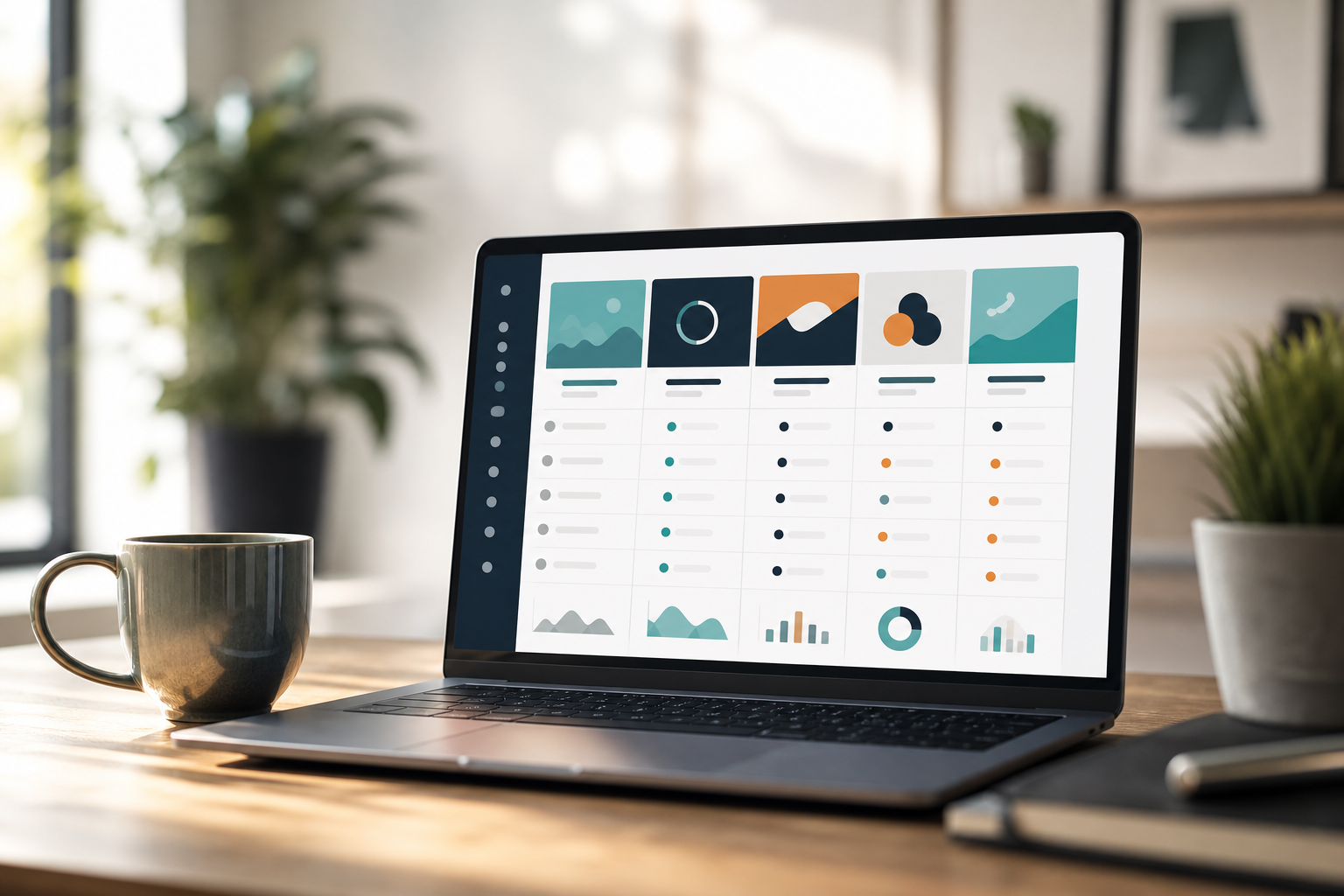
You don’t need ten tools. You need one that fits your budget, your traffic type, and your workflow. Here’s an honest look at five options I’ve used or audited. Ratings are based on database size, affiliate-focused features, and price in 2026. Mentions of prices reflect public plan info or brand-provided data at time of writing.
- PowerAdSpy (multi-platform, affiliate filters)
- Database: Data includes millions of ads from over 100 countries, with both video and image ads and thousands added daily.
- Affiliate features: Affiliate Network and E-commerce Platform filters, funnel and marketing platform search, Call to Action sorting, ad position filter, device filters, GEO-targeted information, exportable reports, and bookmark/sync.
- Price: Basic plan $69/month or $29/month billed annually; higher tiers scale to Palladium at $399/month or $125/month billed annually. Source: brand pricing page.
- Verdict: Strong fit for affiliates who want cross-platform intel plus deep filters for CTAs, landers, and device/placement splits.
- Adplexity (native + mobile focus)
- Database: Strong on mobile and native inventory.
- Affiliate features: Good for affiliate lander discovery, funnels, and device breakdowns across native/mobile campaigns.
- Price: Mid-to-high tier, per channel.
- Verdict: If you buy a lot of native or mobile traffic, this pairs well with Facebook-only tools.
- Anstrex (push + native)
- Database: Good coverage on push and native networks.
- Affiliate features: Lander download, funnel mapping, and ad component search are solid.
- Price: Channel-based pricing.
- Verdict: Great for push/native testing. Use alongside a Facebook-focused tool.
- AdFlex (Facebook-specific)
- Database: Facebook concentration helps with depth over breadth.
- Affiliate features: Clean Facebook creative surfacing and filters.
- Price: Competitive for single-channel focus.
- Verdict: If you only run Meta properties, the focus can be a plus.
- BigSpy (free tier available)
- Database: Large, multi-platform scope.
- Affiliate features: Free tier is useful to browse ideas; paid tiers open more filters.
- Price: Starts with a free tier; paid plans add depth.
- Verdict: Nice for top-of-funnel inspiration or budget-limited teams.
If you work with clients, you may also want to compare agency needs here: Best Facebook Ad Spy Tool for Ad Agencies in 2026. And if pricing is top of mind, check the current tiers before you commit.
What to Do This Week: Your First Affiliate Ad Research Sprint
Here’s a 5-day plan I still use. It beats “perfect later.” Ship now; refine next week.
- Day 1 — Pick 3 affiliate offers
- Choose one health, one finance, and one ecom. Write down the core promise and price. Set your target CPA per offer. For budget guardrails, run the facebook ad budget calculator and cap your first tests.
- Day 2 — Run spy searches
- Search by keywords, advertisers, and domains. Then layer in Affiliate Network, funnel type, and ecom platform filters. Sort by popularity, impressions index, and running longest. Save anything promising.
- Day 3 — Build a 20-ad swipe file
- Use the bookmark feature to save and tag 20 ads by niche and hook. Note geo, device, CTA, and placement. According to PowerAdSpy user data, 26% of users save at least one day preparing for an advertising project. Use that saved day to write ads, not search.
- Day 4 — Analyze patterns
- What hooks repeat? Which CTAs cluster by niche? Which landers keep showing up (quiz, advertorial, direct-to-cart)? Map one winning flow per offer. Then sketch 3 new hooks.
- Day 5 — Create 3 clean variations
- Produce 3 ad variations for your top offer: one video, one image, one carousel. Keep the winning angle; change the story. Pair each with a lander that matches the research. For sharper copy, use this swipeable guide to facebook ad copy.
“We used to struggle with Facebook ads for lead generation. PowerAdSpy helped us see what our competitors were doing right, and suddenly, things clicked.” — Steve Decker, SaaS Marketing Manager
Key Takeaways
Research first, then test fewer, smarter ads so you cut waste and move faster. Sort by running longest and verify landers; longevity beats viral noise. Match geo, age, gender, device, and placements before you spend a dollar. Keep a swipe file and a test log to measure what you copied and what you changed. Use a Facebook ad spy tool to reveal angles, funnels, and CTAs already selling in your niche.
One Last Note for 2026
Tighten your claims, respect platform policies, and keep your funnel fast on mobile. Then, iterate weekly. If you keep learning from the market, the market will pay you back. For tool breakdowns by role, this roundup of the ad spy tool, picks will help you go deeper.