
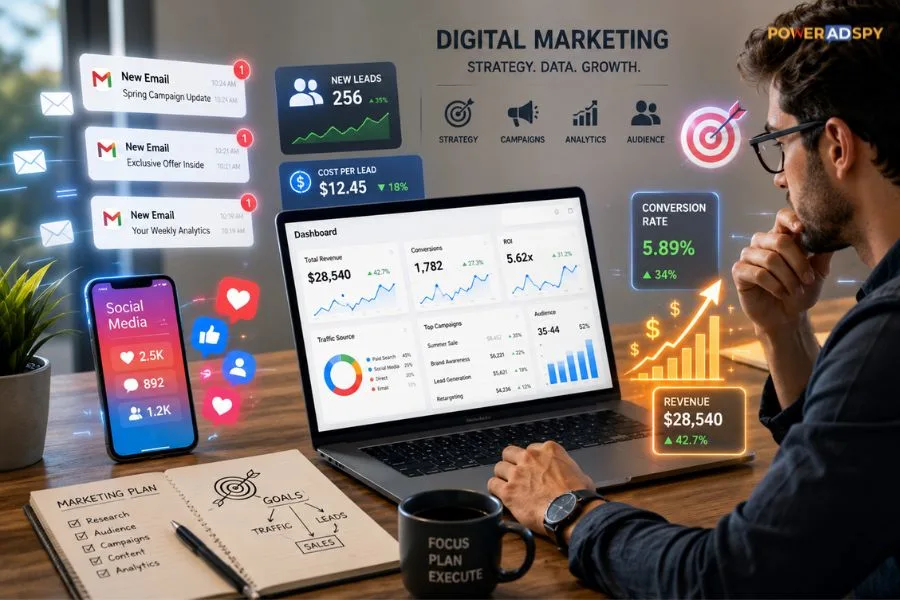
Launching a digital marketing campaign is easy; building one that actually converts is the hard part. Many brands pour budget into ads, emails, and social posts, only to watch clicks roll in without a single sale to show for it.
The difference between noise and results comes down to planning, targeting, and constant refinement. A high-converting campaign isn’t about luck or a bigger budget; it’s about understanding your audience, sending the right message at the right moment, and measuring what truly matters.
In this guide, you’ll learn the practical steps to build a campaign that turns attention into action. Whether you’re a small business owner or a seasoned marketer, these strategies will help you connect with the people who matter and confidently move them toward a yes.
Listen To The Podcast Now!
What Makes a Campaign Convert?
A converting Digital Marketing campaign does more than generate traffic; it guides people through a clear journey. Conversion happens when your offer matches what your audience genuinely wants and when friction is removed at every step.
Three pillars usually decide whether a campaign succeeds: relevance, clarity, and trust. Relevance means reaching the right people with messaging that speaks to their needs. Clarity means your call to action leaves no room for confusion.
Trust is built through social proof, consistent branding, and honest promises you can keep. When these elements work together, a digital marketing campaign stops feeling like an interruption and starts feeling like a helpful solution. Skip any one of them, and even the most creative ads will struggle to deliver real returns.
Understand Your Audience Before You Spend:

Before a single ad goes live, invest time in truly understanding who you’re selling to. Audience research is the foundation of every conversion. Build detailed buyer personas that capture not just age and location, but motivations, frustrations, and the questions keeping your customers up at night.
Talk to existing customers, read reviews, and study the comments on competitor content to uncover the language your audience actually uses. This insight shapes everything: your messaging, your offers, and your channel choices. The sharper your understanding, the less budget you waste on people who’ll never buy.
Segmentation matters too: a first-time visitor needs a different message than a returning customer who abandoned their cart. When you speak directly to a specific person’s needs, your marketing feels personal rather than promotional, and personal always converts better than generic.
How Do You Plan a Digital Marketing Campaign?
Start with a single, measurable goal, whether that’s leads, sales, sign-ups, or app installs. A vague aim like “more awareness” makes it impossible to judge success. Next, define your target audience in detail: their demographics, pain points, and where they spend time online.
From there, set a realistic budget and timeline, then map out the channels and messages that fit each stage of the buyer’s journey. Finally, decide which metrics you’ll track before launch, not after. Planning this way keeps your digital marketing campaign focused and gives every team member a shared direction. The brands that skip planning usually end up reacting to problems instead of preventing them, burning budget on fixes that careful preparation would have avoided entirely.
Build a Strong Campaign Strategy:
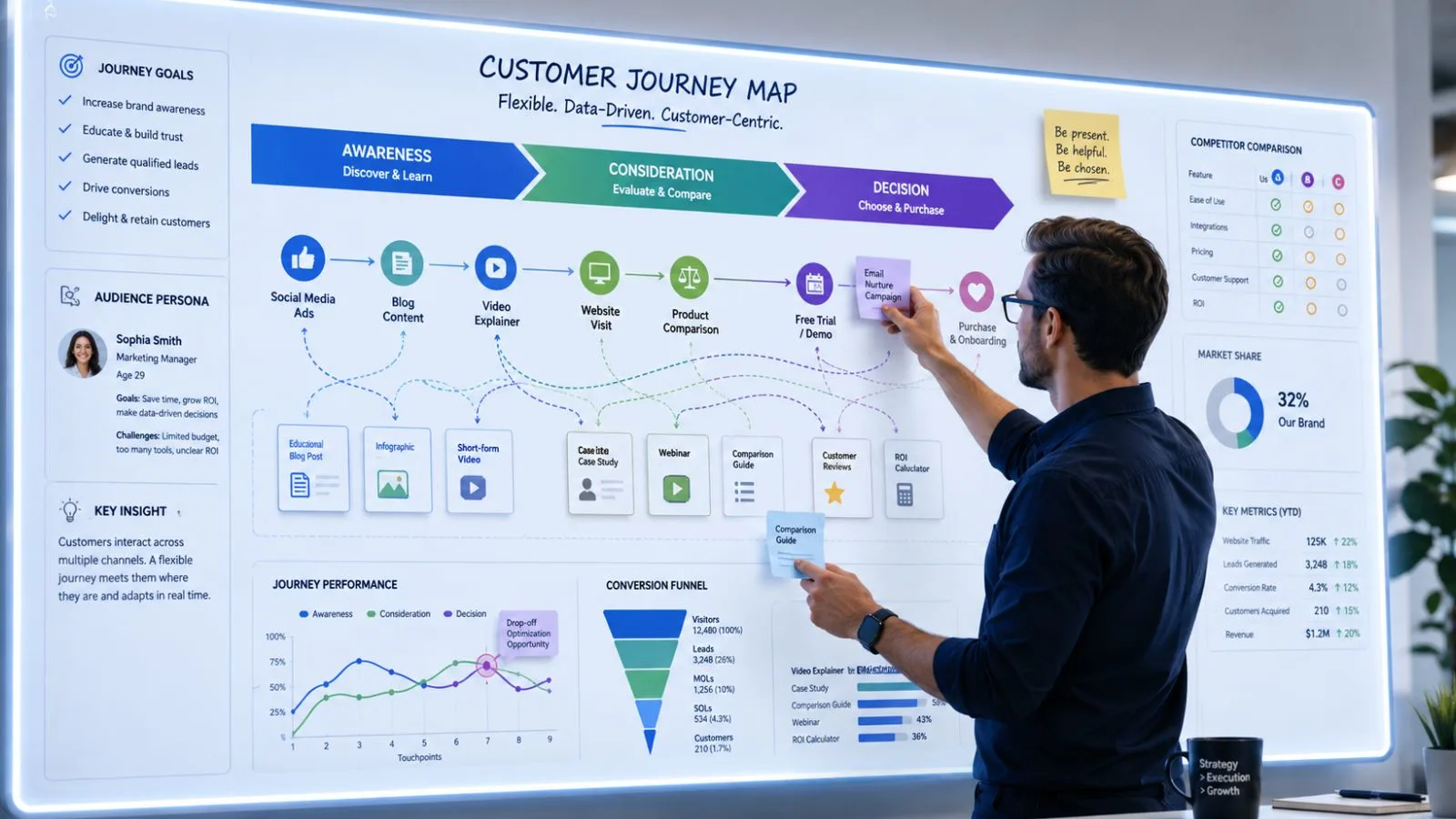
Your digital marketing campaign strategy is the blueprint that ties everything together. It should clearly outline your positioning, your unique value, and how you’ll stand out from competitors fighting for the same attention.
A winning campaign strategy digital marketing experts swear by also maps the full customer journey, from awareness to consideration to decision, so your messaging meets people where they are. Don’t try to say everything at once. Instead, sequence your content so each touchpoint moves the audience one step closer to converting. Build in flexibility, too. Markets shift, trends change, and audience behavior evolves, so your plan should leave room to adjust. A strong digital marketing campaign is never set in stone; it’s a living framework you refine as real data comes in.
Crafting Content and Creatives That Convert:
Great targeting falls flat without compelling creative. Your headlines, visuals, and copy carry the emotional weight of any digital marketing campaign, so they deserve serious attention. Lead with a benefit, not a feature; people care about what your product does for them, not its specs. Use clear, scannable copy and visuals that stop the scroll. Video and user-generated content tend to outperform polished, generic stock imagery because they feel authentic. Always include one obvious call to action per asset; competing CTAs dilute results. Test multiple variations of headlines and images to see what resonates. The creative that wins is rarely the one you personally love most; it’s the one your audience responds to. Let performance data, not opinion, guide your creative decisions every time.
Why Landing Pages Make or Break Results?
Your ad’s only job is to earn the click; your landing page does the heavy lifting of converting. Yet many marketers obsess over creativity while neglecting where that traffic lands. A high-converting landing page has a single focus, a headline that matches the ad’s promise, and a button that’s impossible to miss.
Remove navigation links and other distractions that tempt visitors to wander off. Load speed is critical; every extra second of delay drops conversions measurably, especially on mobile. Add trust signals like testimonials, guarantees, and recognizable logos to ease hesitation.
Keep forms short; ask only for what you genuinely need right now. Above all, ensure the page delivers exactly what your ad promised. When the message matches from click to conversion, visitors stay, trust builds, and far more of them follow through.
Choosing the Right Channels for Your Campaign:
Not every platform deserves your budget. The best digital marketing campaign meets your audience where they already spend their time rather than spreading themselves thin across every channel. B2B brands often thrive on LinkedIn and search, while lifestyle and e-commerce brands see strong returns on Instagram, TikTok, and Pinterest.
Email remains one of the highest-ROI channels for nurturing leads and re-engaging past customers. Paid search captures high-intent buyers actively looking for solutions, while social ads excel at discovery and demand generation.
The key is alignment: match the channel’s strengths to your goal and audience. A focused presence on two or three well-chosen platforms almost always beats a scattered effort across eight. Concentrate your resources where they convert best.
Timing, Frequency, and Retargeting:
When and how often you show up matters as much as what you say. Bombard people with the same ad, and you’ll trigger fatigue, where engagement drops, and costs climb. Space out your messaging and refresh creative content regularly to stay welcome in the feed.
Retargeting is one of the most powerful tactics available: most people don’t convert on their first visit, so reconnecting with warm prospects who already showed interest dramatically lifts results. Tailor those follow-up messages; someone who viewed a product needs a different nudge than someone who abandoned checkout.
Pay attention to timing as well; testing different days and hours reveals when your audience is most receptive. A gentle, well-timed reminder often closes the sale that a first impression only started.
Also Read:
9 Creative Marketing Ideas For Beginners In Digital Marketing
Digital Marketing Funnel Secrets: A Guide To Explosive Growth
Get a Competitive Edge With PowerAdSpy: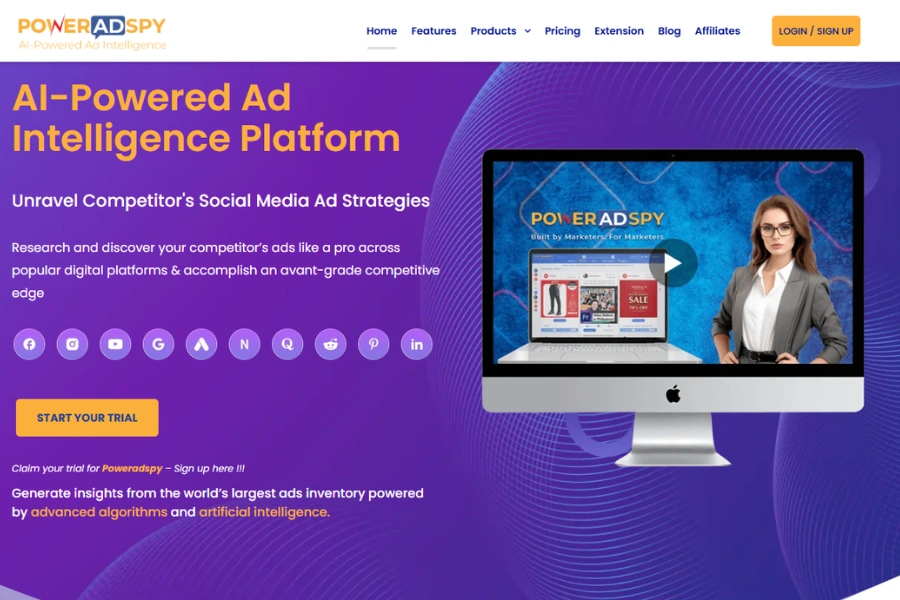
Spying on what already works can save you weeks of guesswork. PowerAdSpy is an AI-powered ad spy and intelligence tool that lets you research competitor ads across major platforms, so your next digital marketing campaign starts with proven insights instead of assumptions. With one of the largest ad databases available, it helps you decode winning strategies before you spend a rupee.
Here’s how PowerAdSpy supports your campaigns:
- Search millions of ads across Facebook, Instagram, YouTube, Google, Native, Quora, Reddit, Pinterest, and LinkedIn
- Break down ad components like copy, images, captions, and CTAs for fresh creative ideas
- Use comprehensive filters to find the most relevant, high-performing ads in your niche
- Generate robust reports and analytics to sharpen your targeting
- Personalize your dashboard and track engagement, ad placements, and ad types
- Reduce A/B testing volume and save hours of manual research
It turns competitor research into your unfair advantage.
How to Measure Your Campaign Performance?
You can’t improve what you don’t track. To measure digital marketing campaign performance accurately, focus on metrics tied to your goal rather than vanity numbers like raw impressions. Conversion rate, cost per acquisition, click-through rate, and return on ad spend tell you whether your money is working. Set up proper tracking with analytics tools and pixels before launch so no data slips through.
Watch trends over time instead of overreacting to a single bad day. If a digital marketing campaign underperforms, dig into where people drop off: your ad, your landing page, or your offer. Small, data-driven tweaks often unlock big gains. Measuring consistently transforms guesswork into a repeatable system you can scale with confidence.
Optimizing and Scaling Your Campaign:
Launching is just the beginning. The real growth in any digital marketing campaign comes from continuous optimization. Once you have enough data, pause underperforming ads and shift budget toward winners.
Refine your audience targeting based on who actually converts, not who you assumed would. Improve your landing pages, since even a great ad fails if the page it sends people to is slow or confusing. When something works, scale it gradually; doubling spend overnight can break performance.
A/B test one element at a time so you know exactly what drives results. Treat every digital marketing campaign as an experiment that teaches you something for the next one. This compounding learning separates brands that grow steadily from those that stall after a single lucky win.
Common Mistakes That Kill Conversions:
Even experienced marketers sabotage results with avoidable errors. The most common is targeting too broadly; trying to reach everyone usually means resonating with no one. Another is sending traffic to a generic homepage instead of a dedicated landing page built for the offer.
Inconsistent messaging between your ad and landing page also breaks trust and tanks conversions. Many brands give up too early, killing a digital marketing campaign before it gathers enough data to optimize.
Others ignore mobile users, even though most traffic now comes from phones. Finally, neglecting follow-up means losing warm leads who simply weren’t ready to buy on the first visit. Avoiding these traps protects your budget and keeps your digital marketing campaign on track to convert.
Conclusion:
Building a digital marketing campaign that actually converts isn’t about chasing the latest trend or outspending your competitors. It’s about discipline: setting a clear goal, understanding your audience, crafting honest and compelling creatives, choosing the right channels, and measuring what matters. When you treat each campaign as a system you can test and refine, conversions stop being a matter of luck and become predictable. Start small, learn fast, and reinvest in what works.
Lean on competitor insights and the right tools to shorten your learning curve. Most importantly, stay close to your data and your customers; they’ll tell you exactly what’s working and what isn’t. Do this consistently, and your next digital marketing campaign won’t just generate clicks; it will generate real, measurable business growth. The brands that win aren’t the loudest; they’re the ones that listen, adapt, and keep improving.
Frequently Asked Questions:
Q1: How long does it take for a campaign to show results?
Ans: Most campaigns need two to four weeks to gather enough data for meaningful optimization. Paid search can show results faster, while SEO and organic content take longer to build momentum.
Q2: How much should I budget?
Ans: Start with an amount you can sustain for at least 30 days. It’s better to test a smaller budget consistently than to spend everything in one short burst.
Q3: Which platform is best for beginners?
Ans: Begin where your audience already is. For most small businesses, Facebook and Instagram ads or Google Search offer an accessible, high-intent starting point.
Q4: Do I need expensive tools to succeed?
Ans: No, but the right tools save time and money. Competitor research and analytics platforms help you avoid costly mistakes and find winning angles faster.
What’s the single biggest factor in conversions?
Ans: Relevance. Matching the right message to the right audience at the right moment matters more than any clever tactic or design trick.