
If you’re a dropshipper, the fastest path to validation is competitor ad search by keyword and domain, not guesswork. In 2026, this approach lets you scan a niche, compare angles across platforms, and copy the underlying patterns that already convert without copying the look.
TL; DR for busy operators
- Use competitor ad search by keyword and domain to sweep niches fast, then drill into a specific store’s funnel.
- Prioritize filters that prove staying power: running longest, geo, Shopify/ecommerce, engagement, and CTA sorting.
- Replicate angles (hook, offer, CTA), not exact creatives; ship lean tests in one geo first.
- Read comments to preempt objections; update your opening 3 seconds and PDP copy accordingly.
- Scale across platforms to hedge CPM spikes; domain search confirms real spenders vs. viral flukes.
Why Dropshippers Struggle With Competitor Ad Research
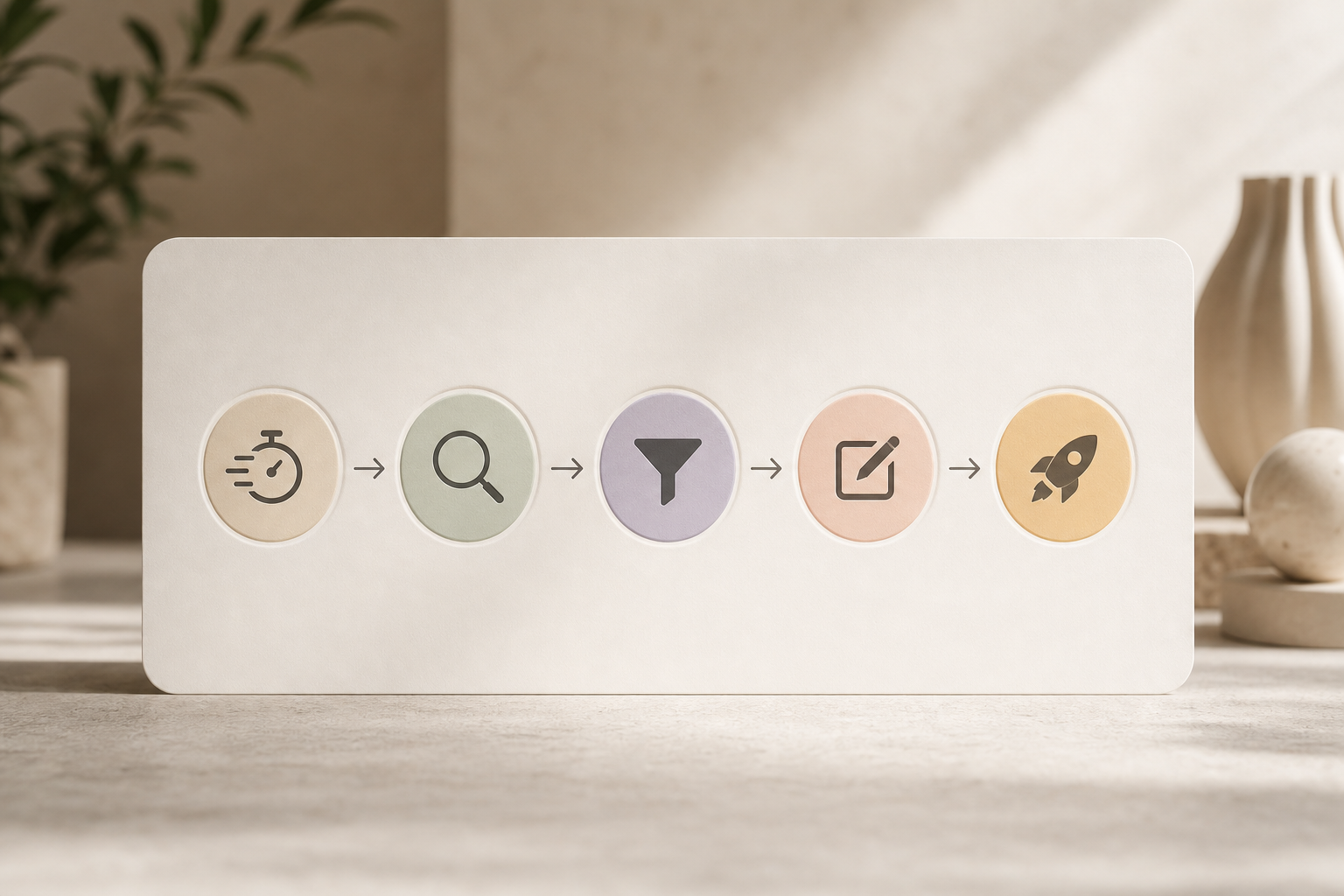
Short cycles kill slow research. A product that pops on TikTok today can be stale by next week. If your workflow is “scroll, save, and pray,” you’ll pay tuition to the algorithm. The fix is simple: a repeatable way to scan a niche, sort by engagement and longevity, and surface stable winners fast. That’s where competitor ad search by keyword and domain outperforms random swipes or siloed libraries.
The hidden cost of slow or shallow research
- Budget bleed: Each weak creative you test at scale compounds CAC and drags ROAS down.
- Time tax: Manual scrolling eats hours you could spend editing winners and improving landing pages.
- Missed seasonality: Without date windows and run-length context, you’ll misread Q4/Q1 swings.
- False positives: Viral outliers look tempting but rarely travel across geos or platforms without proof.
Free tools create gaps that cost real money. Facebook Ad Library shows current ads but not full cross-platform context or real historic run data tied to a single brand. You see fragments of the story. You don’t see which CTA pulled (“Shop Now” vs “Learn More”), which geo bought, or whether the same landing page has scaled on Instagram Reels, TikTok, and YouTube Shorts. As a result, you test too much, learn too little, and miss the angle that actually converts.
Moreover, most early tests die because the creative is a guess. A/B tests get expensive when your “A” and “B” are both weak. Start with a proven theme, hook, and offer.
Then test small tweaks. If you sort by ads “running longest” and pair that with Shopify filters, you’ll find creatives and funnels that already drive revenue in your category. Your tests start closer to the finish line.
Checklist for your first sweep:
- Choose 3–5 problem phrases to search (e. g., “pet hair remover,” “posture brace,” “sink unclog”).
- Apply Shopify/ecommerce and country filters; set the date to the last 6–12 months.
- Sort by Running Longest, then Engagement; Bookmark 6–10 ads that keep surfacing.
- Note CTAs, lead visuals, and comment themes you can answer in your edits.
Keyword vs. domain: why both perspectives matter
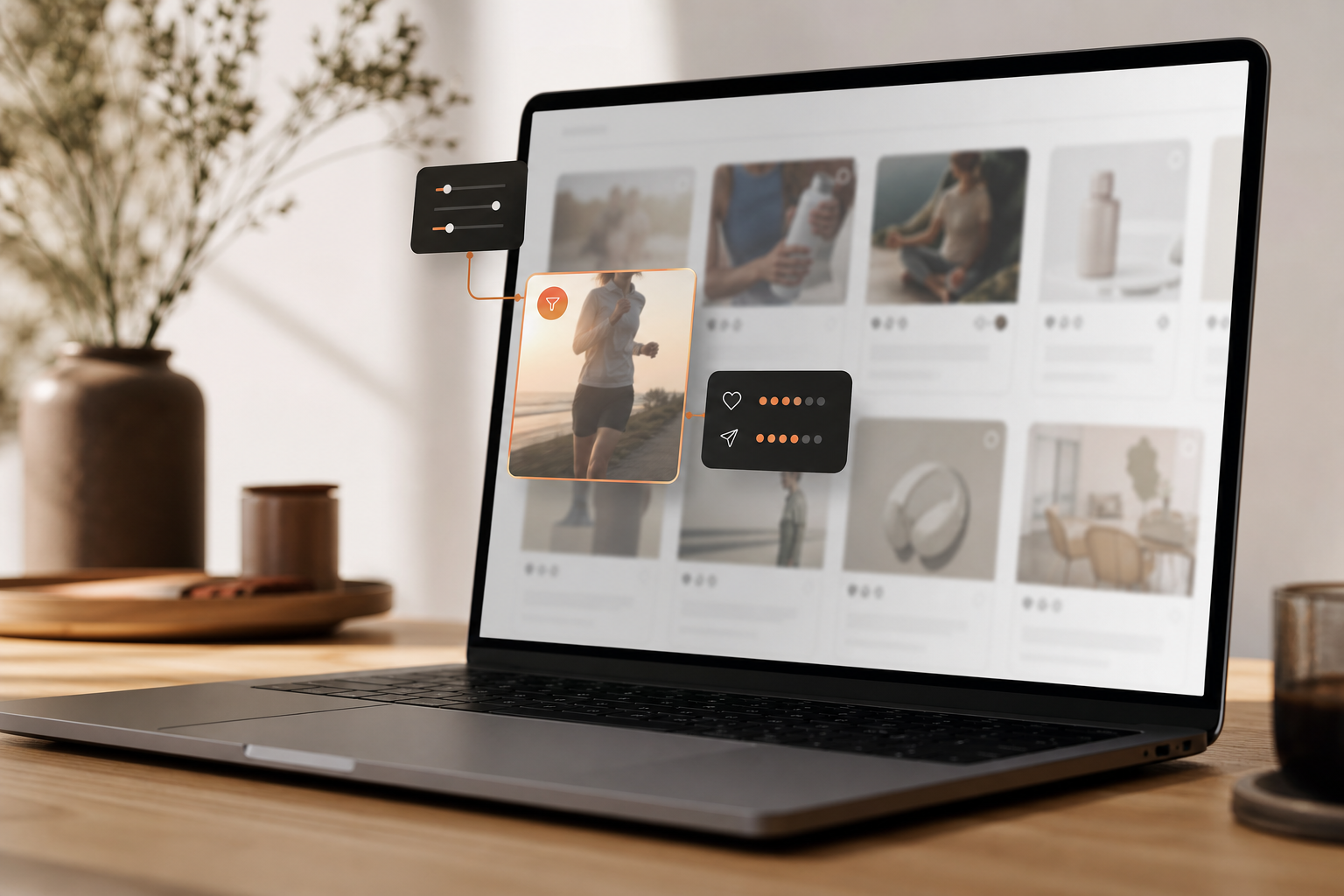
On the other hand, keyword-only tools miss brand-level patterns. A domain-based view lets you map a competitor’s funnel at once: ad → landing page → offer → upsells. With both keyword and domain search, you can trace the full journey, not just the ad text.
- When to lean on keyword search:
- Early niche sweeps to surface broad angles (“pet hair remover,” “neck massager”).
- Hook discovery across multiple brands using the same product type.
- Cross-platform idea mining where brand is unknown but problem/solution is clear.
- When to lean on domain search:
- Funnel mapping for a single store from ad to checkout.
- Tracking creative iterations over time to see what stuck.
- Validating price points, bundles, and CTAs used by a proven spender.
- Pain that bleeds budget:
- No way to rank ads by run length and engagement in your geo
- No domain filter to group all ads from one Shopify store
- No CTA-level sort to see what drives clicks in your niche
- No cross-platform view to spot angles that scale beyond Facebook
For creative risk, start with evidence. Sort by “Running Longest,” then check comments. If buyers love the demo, you don’t need a fresh idea. You need a tighter hook and faster edit.
For further context on why smart tests beat volume testing, see the concept of controlled experiments in ads: A/B testing.
What to Look for in a Competitor Ad Search Tool for Dropshipping
If you want speed-to-profit, choose a tool that lets you find, sort, and act in minutes. The core is competitor ad search by keyword and domain. With both, you can sweep a niche (“pet hair remover”) and then zoom in on a store’s full creative history. That mix surfaces repeatable patterns that you can copy without cloning the look.
Depth beats breadth. Keyword search must parse captions, overlays, and even ad copy, not just hashtags. Domain search should group all ads tied to a brand or landing page, including redirects. Together, they reveal creative themes, offer angles, and price points that have stayed live for weeks, signals you can bank on for your first test batch.
Multi-platform reach matters for scale. If you only track Facebook, you won’t see TikTok hooks that crush cold traffic, or YouTube pre-rolls that seed remarketing pools. In addition, cross-platform coverage (Facebook, Instagram, TikTok, Google/YouTube, Pinterest, Reddit, Quora, native, and display) lets you pivot fast when CPMs spike on a single network.
Rule of thumb: if a hook works on two platforms and three geos with the same CTA, it’s a process issue (offer/page) if it fails for you—fix friction before rewriting the angle.
Essential filters for product validation
- Shopify/ecommerce filter: Pinpoint store-built funnels, not random content.
- Engagement sort: Rank by likes, shares, comments, and popularity to find signals.
- Geo/country filter: Validate demand in a target region before you buy stock or scale shipping.
- CTA sorting: Compare “Shop Now” vs “Buy Now” vs “Learn More” within the same niche.
- Running-longest sort: Flag ads that ran for weeks or months—a strong proxy for ROI.
- Device/placement filters: See if winners skew mobile feed, stories, or reels.
- Date windows: Check seasonality and see if winners revived in Q4 2025 vs Q1 2026.
- Landing page and UTM detection: Identify whether winners drive to PDPs, quizzes, or collection pages, and note tracking structures for inspiration.
Why these criteria raise ROAS
- Faster validation: You run tests that mirror proven winners instead of raw guesses.
- Lower test volume: Better inputs mean fewer A/Bs to reach a control.
- Smarter scaling: With geo data and multi-platform readouts, you shift the budget to the cheapest reach that still buys.
- Offer clarity: Domain and Shopify filters expose price points, bundles, and upsells you can adapt.
- Creative iteration speed: With “running-longest” plus comments, you edit toward proof instead of inventing from scratch.
Advanced signal checks for 2026
- Comment velocity: Track how fast comments accumulate relative to ad age. Slow trickles on “long-running” ads can indicate retargeting-only spend; fast growth with recent start dates suggests fresh scale.
- Variant density by domain: Count how many near-identical variants a brand runs (cuts, crops, captions). High variant density is a reliable proxy for active spenders refining a control.
- Price testing footprints: Look for identical creatives with different price points or bundles in captions. This reveals the AOV sweet spot and whether free shipping thresholds are doing the heavy lifting.
- Creative archetype tags: Note UGC vs studio vs slideshow vs before/after. UGC that sustains long runs across TikTok and Reels is often the cheapest path to first win for dropshippers.
- Localization cues: Scan subtitles, emojis, and copy for country-specific terms, VAT notes, or holiday hooks. If a theme localizes cleanly across EN-CA, EN-UK, and DE, it’s more portable for your rollout.
- Funnel speed: Click through to test load time on mobile. Ads with strong engagement but slow PDPs are missed opportunities for you to outrun with a faster page.
If a tool misses any of these, you’ll end up back in the swamp, tabs open, budgets drifting, and no closer to your next winner.
Also Read!
PowerAdSpy vs Dropispy for Dropshippers: Which Is Better for Competitor Ad Search?
How PowerAdSpy Gives Dropshippers a Competitive Edge
PowerAdSpy was built for fast, focused research. You get millions of ads from over 100 countries and the filters that matter to dropshippers: keyword search, advertiser search, and most important, domain search. That means you can look up “car seat cover,” spot the top hooks, then drop in a known store’s domain to see the full creative arc, what they tried, what stuck, and how they adjusted as comments rolled in. This is competitor ad search by keyword and domain done right.
For Shopify sellers, the ecom filter is a time-saver. You can search and analyze Shopify ads with complete engagement details across platforms. Instead of sifting random promos, you see store ads with social proof. Then you sort by likes, shares, comments, popularity, or impressions. In two minutes, you’ve got a short-list of “copy-worthy” creatives and the exact CTAs those brands use to pull clicks.
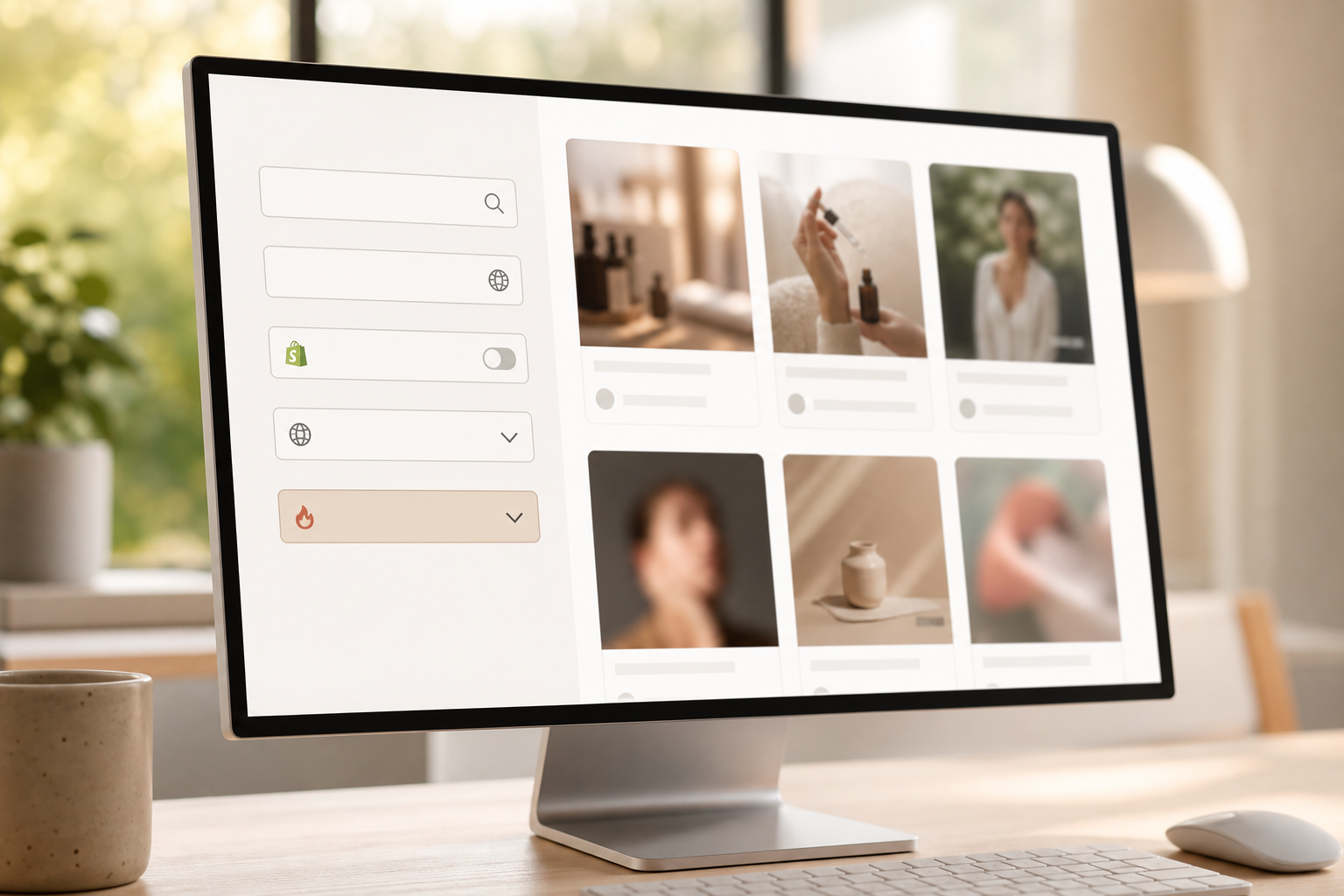
PowerAdSpy’s geo targeting helps you localize. Let’s say a pet niche winner looks strong in the U.S.
but your margins work best in Canada. You filter for CA, sort by “Running Longest,” and check comments for language and shipping notes. If the creative still holds, you cut your first edit that afternoon and launch a lean test by evening.
“We’ve cut back on testing time and launched campaigns that get results. This tool is now our agency’s secret weapon!” — Charlotte Neilson, Digital Marketing Strategist
There’s also a clear ROI story. Users report a 15% reduction in A/B testing volume under two months, and a 19% improvement in user revenue with decreased workforce hours. That’s not fluff, that’s fewer weak tests and more spend behind proven angles.
Compared to alternatives, the difference shows up in your calendar and your ad account. You skip the noise and go straight to stable winners that have already earned long runs. Teams also report faster onboarding for new buyers, who can learn a niche by scanning long-running ads and reading comments before touching the ad account.
What this looks like in your weekly workflow
- Monday morning: Pull niche keywords, sort by engagement and “Running Longest.
- Midday: Domain-search top stores, save 6 angles with the Bookmark feature.
- Afternoon: Adapt two hooks, keep the CTA proven by the data, and ship your first test edits.
- Tuesday: Launch small-budget tests in your target geo only.
- Wednesday: Kill laggards, scale winners, and queue the next three tests from your saved list.
- Thursday: Use cross-platform coverage to clone the winner onto a cheaper channel (for example, shift from IG Reels to TikTok if CPMs rise).
- Friday: Review comments on your ads and on source ads; adjust opening 3 seconds and captions based on actual objections.
That’s how you build a predictable pattern of quick validation and compounding ROAS, without getting stuck in the scroll.
Book a quick demo →, with keyword and domain search included, enough ad lookups for most new stores. Standard ($42/month annual) adds more searches as you scale. If you value ROI per hour, that math checks out by your first product win.
Side-by-side comparison
| Criteria | PowerAdSpy | Dropispy | Minea |
|---|---|---|---|
| Platform coverage | 10+ (FB, IG, TikTok, Google/YouTube, Reddit, Pinterest, Quora, native, display) | Facebook-focused | Strong on influencer ads; mixed platform focus |
| Keyword + domain search | Yes (deep filters) | Keyword; domain options vary | Keyword; domain focus secondary |
| Shopify/ecom filters | Yes (Shopify analysis with engagement details) | Dropship-focused views | Influencer-centric product finds |
| Engagement sorting | Likes, shares, comments, popularity, impressions | Available within platform scope | Available; emphasis on creator signals |
| Geo/country filter | 100+ countries | Within FB scope | Available; varies by source |
| CTA sorting | Yes | Limited | Limited |
| Running-longest sort | Yes | Within FB scope | Varies |
| Ad database size | Millions from 100+ countries | Large for FB verticals | Strong in influencer datasets |
| Pricing entry | From $29/month billed annually | Varies by plan | Varies by plan |
Unlike Facebook-only tools, cross-platform data lets you hedge risk. If CPMs spike on Instagram this spring, shift your winner to TikTok and YouTube Shorts without losing the angle. Domain search also keeps you honest, you can see whether that viral clip actually connects to a real store with repeat spend, not just a one-off spike.
“We have reduced A/B testing costs and also have improved revenue!” — Archie Gilbert, Co-Founder
If you’re choosing for 2026, pick the tool that shortens your path to proof across channels, not just your current one.
Real-world example: compressing research-to-launch
- Product: Car seat cover for dog owners.
- Keyword sweep: “pet hair remover,” “car seat cover dog,” “back seat protector”.
- Filters: Shopify On, Country=CA, Date=Last 9 months, Sort=Running Longest → Engagement.
- Findings: Two creatives with the same spill test, both “Shop Now,” one at $49.95 with bundle save.
- Domain deep dive: Competitor domain shows a quiz → PDP funnel with free shipping at $60+.
- Action: Adapt hook with tighter 2-second opener; keep CTA; match bundle; add CA-specific shipping note.
- Result: 2.1x ROAS in week 1 on TikTok; cloned to IG Reels in week 2 after CPM uptick.
Quick-start: competitor ad search setup
See pricing and plan limits →. Set your country to your target market and limit the date range to the past 6–12 months.
Step 1: Create an account or start a trial so your searches and Bookmarks save for weekly reuse. Choose a plan that covers at least keyword and domain search plus Shopify filtering.
Step 2: Select your source platforms. Start with Facebook/Instagram and TikTok, then add Google/YouTube for scale and remarketing angles.
Step 3: Apply the Shopify/ecommerce filter. This removes noise and brings up real store ads with buy intent.
Dial in your filters before saving creatives
- Confirm geo and language in the tool match your ad account’s first test market.
- Set your initial date window (6–12 months) to balance freshness with enough run history.
- Toggle placements to prioritize mobile feed and short-form video if that’s where you’ll run first.
- Save your filter preset so Monday morning sweeps take seconds, not minutes.
Step 4: Sort by “Running Longest,” then by “Comments” or “Popularity.” Save 6–10 promising creatives with the Bookmark feature.
Step 5: Use domain search on a known competitor store. Pull their active and past ads. Note the CTAs (“Shop Now” vs “Buy Now”), price points, and bundle offers.
Step 6: Replicate angles, not clones. Keep the proven hook and CTA, but change visuals, pacing, and product shots to match your brand. If the winner is a “spill demo,” make yours tighter and clearer.
Checkpoint: If you haven’t bookmarked 6–10 promising ads yet, loop back to Step 2–4 and expand keywords or widen the date range.
Step 7: Launch a lean test in your target country only. Kill fast. Scale survivors. Queue your next three edits from Bookmarks so you never stall.
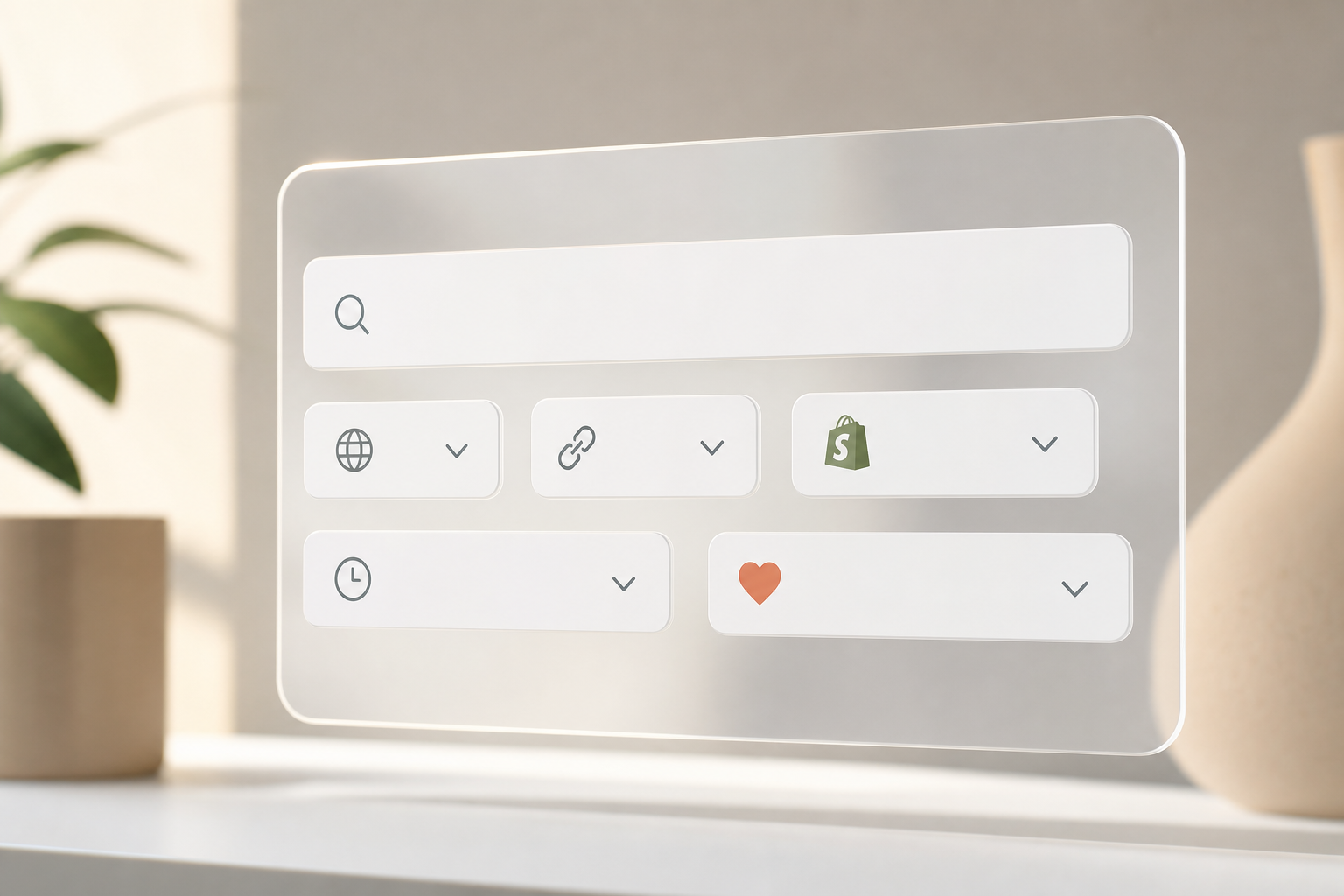
Pro tip: Use CTA sorting to validate your default button text before you launch. If “Shop Now” wins in your niche across long-running ads, keep it. Your landing page copy is where you stand out, not your button label.
[Get started in minutes →]
Common mistakes to avoid on day one
- Skipping domain search: You’ll miss the checkout experience and real AOV cues that affect scale.
- Overfitting to a viral video: If it hasn’t run long with spend, treat it as inspiration, not a template.
- Testing across too many geos: Validate one market; only then roll learning into a second country.
- Changing the CTA without data: If long-runners favor “Shop Now,” don’t get clever—get consistent.
- Ignoring comments: They reveal objections you can fix fast with a headline tweak or PDP bullet.
Frequently Asked Questions
How much does PowerAdSpy cost for a dropshipping beginner?
The Basic plan starts at $29/month with annual billing or $69/month billed monthly. It covers keyword and domain search with enough ad lookups for most new dropshippers. If you need more searches as you scale, the Standard plan is $42/month on annual billing. As a result, you can start small and upgrade only when your testing volume grows. For teams, this means you can validate a tool’s fit without locking into enterprise spend before your first control emerges.
Can I search competitor ads by their Shopify store domain?
Yes. PowerAdSpy supports domain-based search, so you can enter any competitor’s Shopify URL and see their active and past ads. You’ll get full engagement details across platforms and can click through to live posts to see context. Moreover, domain search groups a brand’s creatives so you can map their funnel from ad to offer. This also reduces guesswork when reverse-engineering pricing strategies, seasonal bundles, and common objection handling in captions.
How accurate is the engagement data on competitor ads?
PowerAdSpy pulls real-time likes, shares, comments, and impression estimates to guide your picks. In addition, you can click to live ad posts to verify engagement and read audience sentiment. Therefore, you can avoid dead angles and focus on creatives with proof. As with any research dataset, combine engagement indicators with run length and geo filters to prevent false positives from viral outliers that didn’t actually scale in your target market.
Is PowerAdSpy better than Dropispy for dropshipping ad research?
Dropispy is dropship-focused but limited to Facebook. PowerAdSpy covers 10+ platforms. Facebook, Instagram, Google/YouTube, TikTok, Pinterest, Reddit, Quora, native, and display. It also includes keyword, domain, and Shopify-specific filters. If you plan to scale beyond one channel, broader coverage will save time and testing budget. If you only need Facebook insights today but anticipate expanding to TikTok or YouTube Shorts, starting with broader coverage prevents tool switching during scale.
Can I filter ads by country to find winning products in my target market?
Yes. PowerAdSpy offers geo-targeted filtering across 100+ countries. This lets you validate product demand in a specific region before you spend on localized campaigns. As a result, you avoid false positives from other markets and launch with tighter odds. You can also compare angles that worked in the U. S., Canada, and the U. K. to discover copy nuances and shipping mentions that reduce friction.
How do I find ads that have been running the longest?
Use the “Running Longest” sort filter. Ads that run for weeks or months are strong signals of profitability. Furthermore, combine this with engagement sorting and CTA filtering to pick angles with both staying power and click pull in your niche. If you see the same creative revived seasonally, note the date window, seasonality can turn an average ad into a Q4 powerhouse.
Does PowerAdSpy work for TikTok and Google ads, not just Facebook?
Yes. PowerAdSpy covers Facebook, Instagram, Google, YouTube, TikTok, Pinterest, Reddit, Quora, native ads, and display ads. All are searchable by keyword and domain. Therefore, you can spot a hook on one platform and bring it to a cheaper channel without guessing. This also helps you hedge against auction volatility when CPMs spike unpredictably on a single network.
Can I use PowerAdSpy to find winning products, not just competitor ads?
Absolutely. Search niche keywords, sort by engagement or running-longest, and filter by Shopify/ecommerce platform. Ads with high engagement and long runs often point to winning products you can adapt fast. In addition, domain search reveals pricing, bundles, and landing styles that help you build your first control. Pair this with comments analysis to uncover objections (shipping time, durability, sizing) you can address on your PDP and in your opening three seconds.
Is competitor ad search by keyword and domain legal and ethical?
Yes. You’re analyzing publicly available ads and landing pages, not scraping private data or copying copyrighted creative. The goal is to identify proven angles, offers, and funnel patterns, not to clone exact videos or text. Always create original assets and avoid trademarked claims or logos. Treat competitor ad search by keyword and domain as market research that informs your strategy, similar to retail shelf analysis.
Will domain-based research affect my ad accounts or tracking?
No. Viewing ads and public landing pages doesn’t touch your ad accounts or pixels. However, use a clean browser profile or privacy tools if you want to avoid excessive retargeting cookies as you research. If you click through to multiple pages, clear cookies between competitor sessions to keep your own remarketing audiences clean.
How do I measure ROI on time spent researching ads?
Track three leading indicators:
- Time-to-first-test: Minutes from search to launching your first creative batch.
- Percent of tests meeting KPI: Share of new creatives hitting your target CTR/CVR in week one.
- Long-run ratio: Percent of new ads still spending after 14–30 days. If each improves as you adopt competitor ad search by keyword and domain, the workflow is paying for itself.
The Bottom Line
- You win in dropshipping by testing proven angles fast, not by guessing. The core workflow is simple: competitor ad search by keyword and domain, plus geo, Shopify, and longevity filters.
- PowerAdSpy gives you scale (millions of ads, 100+ countries, 10+ platforms) and the filters that cut test volume while raising hit rate.
- A clean process—save angles, adapt, launch, and scale—turns your weekly grind into steady growth through 2026.
Check plans and start faster →