
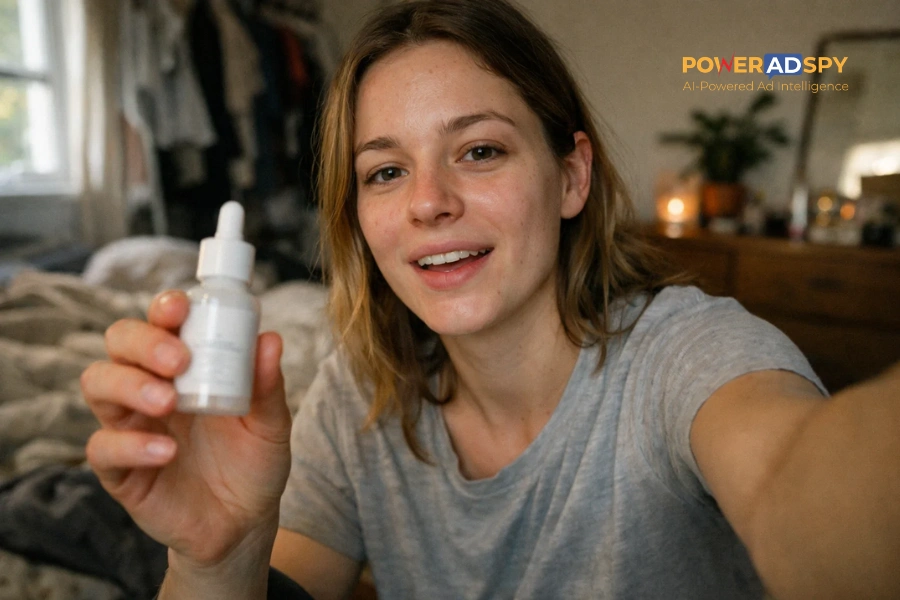
Ugc ads are everywhere right now, but most brands still struggle to make them work. They either feel too scripted, too polished, or worse, completely forgettable. The problem isn’t the format, it’s how it’s being used. When done right, these ads don’t just get views, they build trust and drive action. This is where most marketers get it wrong, and what this blog will fix.
What most people miss is that successful ugc ads aren’t about looking “raw” or casual on purpose. They’re about capturing a moment that feels believable enough for someone to stop, watch, and think. This might actually work for me. That shift from presentation to perception is where the real performance comes from.
Once you understand how ugc ads actually connect with viewers, the entire approach changes. You stop chasing trends and start building content that consistently works because it’s rooted in how people really think, not how brands usually advertise.
Listen To The Podcast Now!
What Are UGC Ads?

UGC ads (user-generated content ads) are paid advertisements designed to look like organic, everyday content created by real people.
Instead of polished branding, user-generated content ads focus on authenticity, showing products through real experiences, honest reactions, and relatable storytelling.
You’ll typically see user-generated content ads on platforms like TikTok, Instagram Reels, Meta feeds, and YouTube Shorts, where casual, creator-style content feels natural.
The goal is simple: blend in, build trust, and convert without feeling like a traditional ad.
Why UGC Ads Work (And Why They Often Outperform Polished Campaigns)
The success of user-generated content ads comes down to one simple idea: people trust people.
When someone speaks directly to the camera and shares a real experience, it feels believable. That “someone like me” effect lowers skepticism instantly.
There’s also a platform advantage. Social media is built around casual, mobile-first content. UGC ads match that environment perfectly, so they don’t interrupt the experience; they feel like part of it.
Another major benefit is speed. Brands can create and test multiple user-generated content ads quickly, learning what works without waiting weeks for production.
That combination of trust, relevance, and speed is why user-generated content ads consistently outperform traditional formats.
What High-Converting UGC Ads Actually Look Like

Not all ugc ads perform equally. The best ones follow a simple but powerful structure.
The Hook That Stops the Scroll
The first few seconds are everything. If the opening doesn’t create curiosity or recognition, the rest of the content won’t even be seen.
High-performing user-generated content ads start with something that feels immediate and personal. It could be a relatable frustration, a surprising statement, or a quick visual moment that sparks curiosity. Instead of sounding like an introduction, it feels like someone jumping straight into a real experience.
For example, “I didn’t think this would work…” feels far more engaging than a formal product introduction. The goal is simple: to make the viewer pause, even for a second.
The Real-Life Problem
Once you’ve captured attention, the next step is connection.
Strong ugc ads don’t rush to promote the product. They spend a moment on the problem, describing a situation the viewer recognizes. This could be a daily struggle, a failed attempt with other products, or a common frustration.
This part is what makes the content relatable. When viewers see their own experience reflected back at them, they’re more likely to keep watching. It shifts the ad from “selling” to “understanding.”
Proof Instead of Claims
This is where most ads fall apart.
Instead of making broad claims like “this is the best,” effective ugc ads focus on showing something real. That could be a visible result, a quick demo, or a specific outcome that feels believable.
Details matter here. A simple, honest explanation, like how something fits into a daily routine or what changed after using it often works better than exaggerated promises. Viewers don’t need perfection; they need something that feels true.
A Natural Call-to-Action
The way an ad ends can make or break its effectiveness.
In high-performing ugc ads, the call-to-action doesn’t feel forced. It sounds more like a suggestion than a command. Something casual like, “You might want to check this out,” or “I’ll leave the link here if you’re curious,” feels far more natural than a hard sell.
This subtle approach works because it respects the viewer. Instead of pushing for a decision, it leaves space for one, which often leads to better results.
The Most Effective Types of UGC Ads Right Now
Different formats work for different goals, but a few types of user-generated content ads consistently perform well.
- Testimonial-style ads – simple, direct, and trustworthy
- Story-based ads – “I tried this…” narratives that build engagement.
- Unboxing videos – great for showcasing first impressions
- Problem-solution demos – clear and easy to understand
- Before-and-after content – powerful visual proof
These formats make ugc ads for marketing more adaptable and effective across industries.
How to Create UGC Ads That Actually Convert (Step-by-Step)
If you’re wondering how to create ugc ads, the process is simpler than it looks. What matters most is getting the fundamentals right.
Step 1: Start with a specific problem
Focus on one clear, relatable issue your audience faces. Specificity drives attention.
Step 2: Choose the right person
Pick someone who naturally fits your audience. In user-generated content ads, relatability matters more than perfection.
Step 3: Use a loose script
Guide the message, but keep the delivery natural. It should feel like a real conversation, not a performance.
Step 4: Keep visuals real
Use simple, everyday environments. Overproduction can reduce trust.
Step 5: Edit for clarity and pace
Cut unnecessary parts and keep the flow engaging. Don’t over-polish.
Step 6: Test multiple variations
Try different hooks, angles, and creators. The real strength of ugc ads comes from iteration.
When UGC Ads Work Best (And When Don’t)

User-generated content ads work best when the product is simple, relatable, and easy to demonstrate in real life. Categories like beauty, fitness, food, and everyday lifestyle products naturally fit this format because viewers can quickly understand the value through someone else’s experience.
They’re especially effective for brands that rely on social media, since user-generated content ads match the casual, native style of platforms like TikTok and Instagram. This makes them feel more natural and less intrusive.
However, they’re not always the right choice. Products that are highly technical or require detailed explanation can struggle in this format, as the message may feel forced or incomplete in short-form content.
In those cases, a more structured or educational approach tends to work better.
How PowerAdSPy Helps You Create and Scale High-Performing UGC Ads
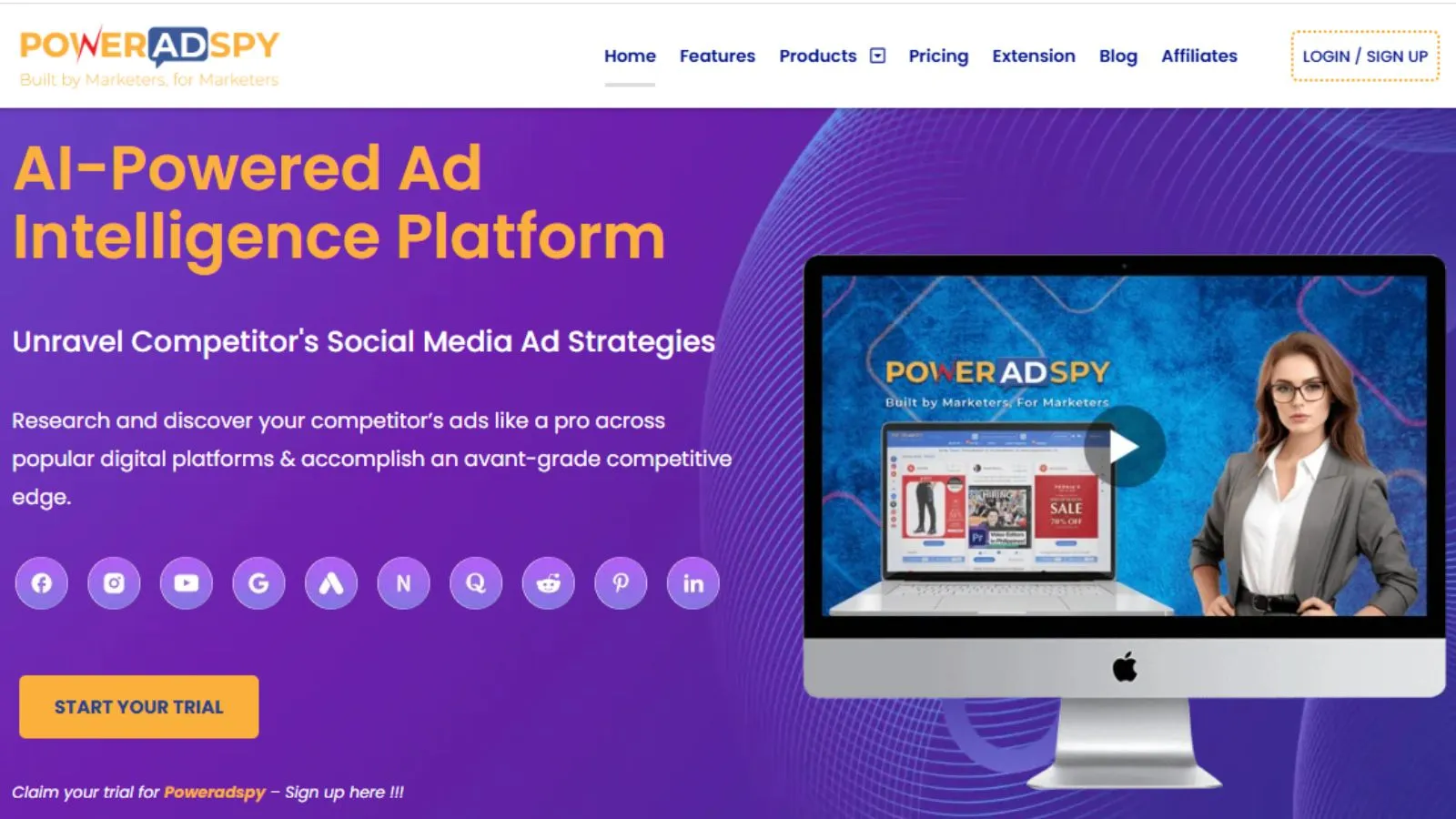
Creating a few ugc ads is easy. Scaling them consistently without losing quality is where most brands struggle.
That’s where PowerAdSPy comes in. Instead of managing scattered workflows, brainstorming ideas, briefing creators, editing content, and tracking performance separately, it brings everything into one streamlined system.
With PowerAsPy, the focus shifts from “creating content” to building a repeatable UGC engine that actually drives results.
Here’s how it helps:
- Faster idea generation
Quickly generate fresh concepts for user-generated content ads based on your product, audience, and goals. - Structured but flexible scripting
Create clear briefs that guide creators without making the content feel scripted or unnatural. - Seamless creator collaboration
Manage communication, feedback, and revisions without endless back-and-forth. - Quick variation testing
Easily produce multiple versions of user-generated content ads with different hooks, angles, and formats. - Better creative organization
Track what’s working, what’s not, and scale winning concepts faster.
The goal isn’t to replace creativity; it’s to remove the friction that slows teams down. With the right system in place, producing high-quality ugc ads becomes faster, easier, and far more consistent.
Also Read
10 Social Media Trends You Can’t Ignore in 2026
How To Run Facebook Ads For Ecommerce (Step-By-Step Playbook)
Common UGC Ad Mistakes That Destroy Performance
Even the best user-generated content ads can fail if the execution isn’t right.
Most performance issues don’t come from the strategy but rather from small but costly mistakes.
- Over-scripting the content
When ugc ads sound rehearsed, they lose the natural, authentic feel that makes them effective. - Forcing authenticity
Trying too hard to look “real” often backfires. Audiences can easily spot content that feels staged. - Choosing the wrong creator
If the person doesn’t align with the target audience, the message feels disconnected and less believable. - Weak or slow hooks
If the first few seconds don’t grab attention, viewers scroll past before the message even begins. - Not testing enough variations.
Relying on a single version limits performance. Strong ugc ads come from continuous testing and iteration.
A Simple Way to Plan Your Next UGC Ad
Before creating your next user-generated content ads, focus on four key elements:
- Problem – What situation are you addressing?
- Person – Who is delivering the message?
- Proof – What makes the claim believable?
- Payoff – What result does the viewer expect?
Keeping these clear will make your ai ugc ads far more effective.
FAQs
Are ugc ads expensive?
Not compared to traditional ads. They’re usually faster and cheaper to produce.
Do I need real customers?
Not necessarily. Creators can produce high-quality user-generated content ads if briefed well.
How long should ugc ads be?
Typically 30–60 seconds, depending on the platform and hook.
Which platform works best?
TikTok and Instagram are strong, but it depends on where your audience spends time.
Can small brands use ugc ads?
Yes. In fact, smaller brands often benefit more from authentic content.