
Social media trends are evolving fast, and 2026 is shaping up to be a game-changer. Several major forces are combining: AI is no longer just a buzzword, user behavior is shifting constantly, and platforms are racing to meet new demands.
If you’ve ever felt behind posting Reels after their peak or launching strategies as algorithms change, you’re not alone. The social media trends landscape doesn’t wait for anyone.
In this guide, we’ll cut through the noise and explore 10 trends that are reshaping how brands and creators should approach 2026, with practical, actionable insights to keep you ahead of the curve.
Listen To The Podcast Now!
Quick Answer: The 10 Social Media Trends Defining 2026
Here’s a quick breakdown of the 10 social media trends that are dominating 2026:
- VR/AR becomes mainstream: Immersive brand experiences won’t be optional, they’ll be essential for staying relevant.
- TikTok’s competitors rise: Short-form video will no longer be TikTok’s turf; it’s becoming a core feature across all major platforms.
- AI content reaches new heights: Automation and hyper-personalization will seamlessly integrate into content creation and targeting.
- Ethical marketing becomes a must: Privacy, transparency, and user trust won’t just be priorities; they’ll be the foundation of successful brands.
- Micro-influencers take over: Niche influencers will outperform celebrities, delivering deeper engagement and stronger brand connections.
- Social commerce matures: Your social media trends feed will no longer just be for browsing; it will be a fully integrated shopping experience.
- Video content remains dominant: Short-form video and livestreaming will continue to drive engagement, becoming even more integral to social strategies.
- Social audio rises: Podcasts and live audio rooms will become go-to tools for deeper, more meaningful interactions with audiences.
- Purpose-driven brands lead: Sustainability will no longer be a “nice-to-have” but a core value that customers expect from brands.
- Ephemeral content drives urgency: Temporary content (like Stories) will continue to create urgency and foster genuine, lasting engagement.
Social Media 2026 — What’s Changing and Why You Care

Why 2026 is a Game-Changer:
The shift happening right now isn’t just a trend; it’s backed by clear data, rapid adoption, and measurable results across industries. Businesses and consumers alike are moving toward faster, more digital, and more personalized ways of operating.
Market Growth & Industry Trends
Growth in this space has accelerated significantly in recent years.
Global markets tied to digital transformation are expected to reach well over $1 trillion by 2030, with annual growth rates ranging between 20% and 30%. Adoption has surged since 2020, with many industries compressing years of change into a much shorter timeframe.
At the same time, a large majority of organizations, over 70%, are actively investing in new technologies to remain competitive. This indicates that the shift is no longer optional but a core business priority.
The 10 Social Media Trends You Can’t Afford to Miss in 2026
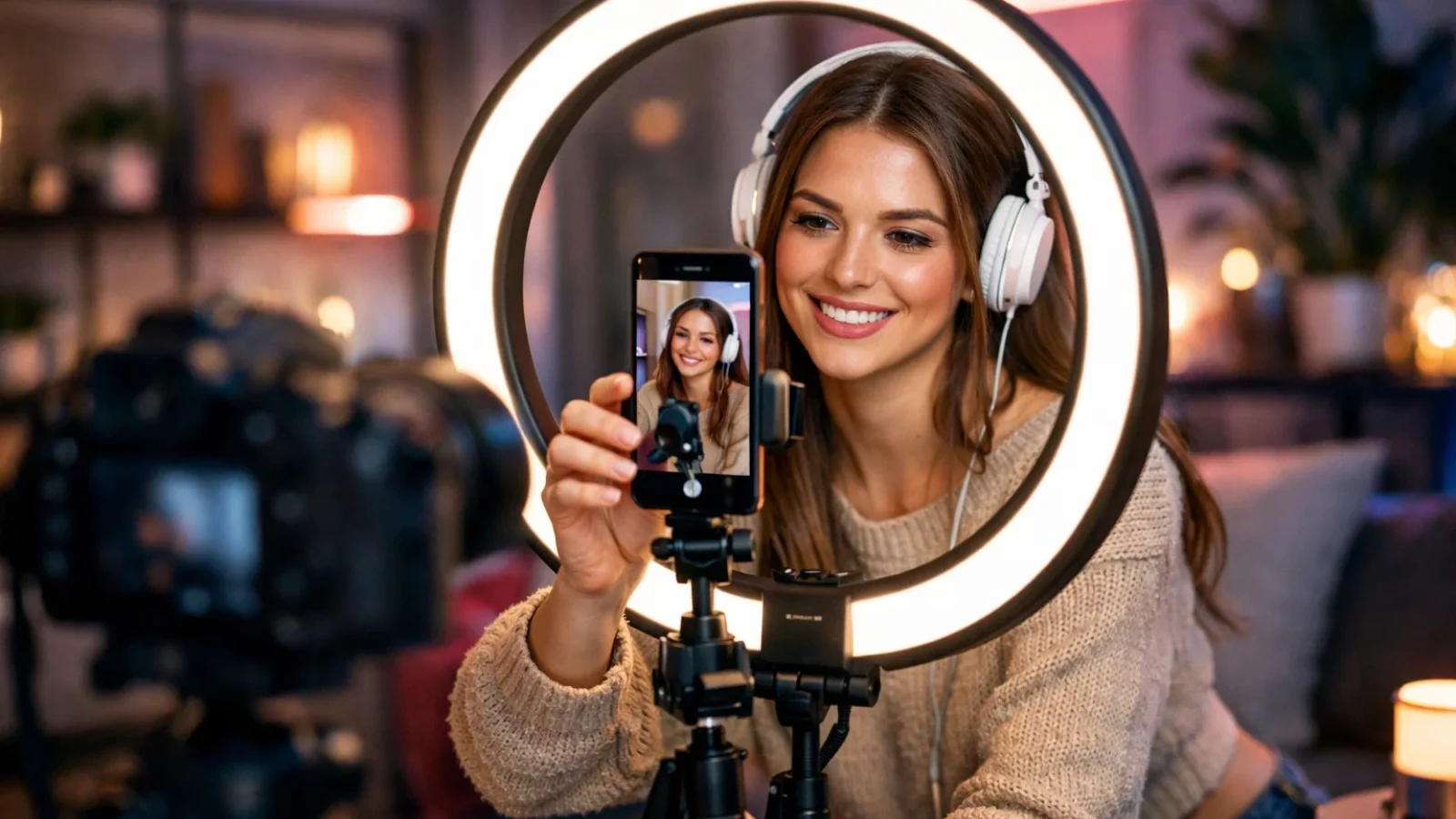
As social media trends continue to evolve, staying ahead of emerging trends is crucial for success. In 2026, new technologies and shifting user behaviors are shaping the way brands and creators engage with their audiences. Here’s what you need to know.
1. The Metaverse Gets Real: Virtual Reality and Social Media Convergence
For a while, the metaverse felt like a trendy term. But now, it’s becoming a reality. Mixed-reality headsets are finally affordable and accessible, making immersive digital spaces available to a much larger audience.
What does this mean for brands? Virtual showrooms, product launches in digital environments, and AR try-ons are just the beginning. The key here is engagement. When users spend more time exploring virtual spaces, the relationship becomes deeper and more meaningful than a quick scroll.
Early adopters won’t just capture attention, they’ll gain insights that are hard to replicate in an emerging medium.
2. TikTok’s Competitors Are Gaining Ground: What This Means for You
TikTok’s dominance in short-form video is no longer uncontested. Platforms like YouTube Shorts, Instagram Reels, and Snapchat Spotlight have all heavily invested in short-form content.
This means you can’t treat short-form video as a TikTok-only strategy anymore. Each platform has its own audience, algorithm, and creative culture. What works on TikTok often won’t work on Instagram or YouTube, and vice versa. The opportunity lies in creating platform-specific content rather than reposting the same video everywhere.
With TikTok facing regulatory pressure in several markets, diversifying your presence across platforms isn’t just a growth strategy; it’s a risk management one.
3. AI-Powered Content: Automation and Personalization Reach New Heights
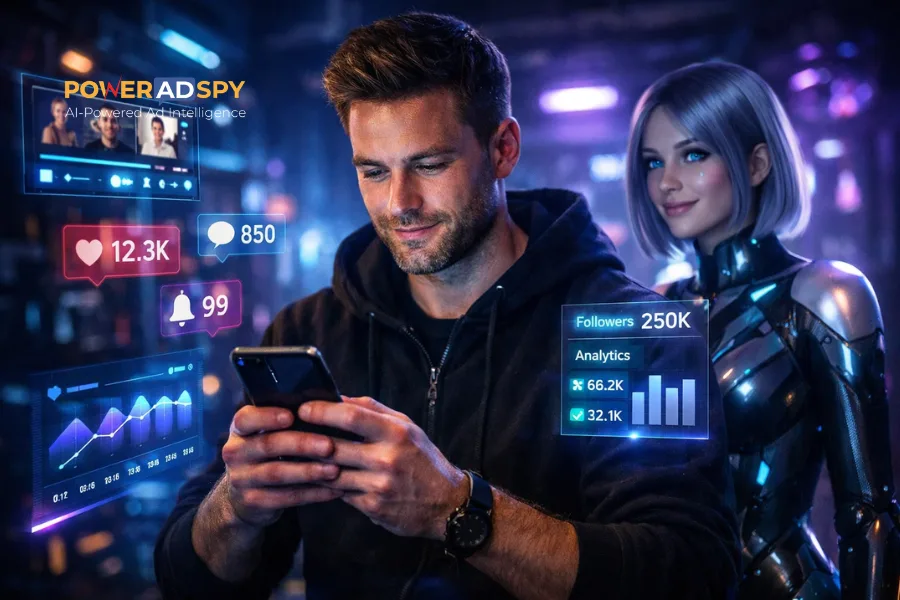
AI adoption is becoming mainstream, with around 35–40% of companies already using it, and many more actively exploring its potential. In 2026, AI tools can analyze historical data to predict not just what content to post, but when and how to post it for maximum impact.
Brands are also using AI-generated influencers and content ambassadors, though this requires a balance. The brands that succeed with AI aren’t using it to replace human creativity but to amplify it. Automation helps with volume; humans provide originality.
4. Ethical Marketing Becomes a Must: Privacy and Transparency in the Spotlight
The era of data exploitation is over. Data privacy regulations are stricter, and consumers are more skeptical about how their information is used. Brands that aren’t transparent or ethical about data collection will lose trust quickly, and once trust is lost, it’s hard to rebuild.
Ethical marketing in 2026 is about fostering genuine relationships with users. That means clear communication, real consent mechanisms, and marketing that feels human, not invasive.
5. The Power of Micro-Influencers: Connecting with Niche Communities
Micro-influencers, those with smaller but highly engaged followings, are increasingly more effective than big-name celebrities. These influencers tend to connect with audiences on a deeper level, making their recommendations feel more authentic.
For brands, this means rethinking influencer strategy. Instead of focusing on a few big names, consider building relationships with micro-influencers in your niche. Authenticity is key, and genuine product endorsements from these influencers deliver real results.
6. Social Commerce: Shopping Directly from Your Feed
Social commerce isn’t just a trendy word; it’s now a mainstream feature of social media trends. Instagram Shopping, Facebook Marketplace, Pinterest product pins, and TikTok Shop are reshaping the shopping experience, making it easier for users to discover and purchase products without ever leaving their feeds.
For businesses, this means integrating e-commerce directly into your social strategy. Product photography should feel native to social platforms, and your customer service should extend into DMs and comments. The future of social commerce includes live shopping events blending real-time engagement with instant purchasing power.
7. Video Content Dominates: From Stories to Livestreaming
Video is no longer just a trend; it’s the dominant content format. Every major platform prioritizes video, and it consistently drives higher engagement and better recall.
What’s shifting is the type of video content that works. Short-form video is still king, but mid-length content (5-15 minutes) is gaining traction, especially on platforms like YouTube and LinkedIn. Livestreaming is continuing to grow, especially for events like Q&As, product launches, and tutorials.
And let’s not forget Stories’ ephemeral content that feels more authentic and engaging. Audiences love unpolished, real moments, so embracing Stories is a smart move for any brand or creator.
8. Social Audio Grows: Podcasts, Live Rooms, and Audio-Only Platforms
Audio content is carving out its own space within the social media landscape. Podcasts are now mainstream, and live audio rooms (on platforms like LinkedIn and Twitter) offer intimate, real-time conversations that are more personal than traditional webinars.
The beauty of audio content is that it’s consumed during downtime, commutes, workouts, and household chores. For creators and brands willing to invest in consistent audio content, this means less competition and more engaged listeners.
9. Sustainability and Purpose-Driven Marketing: The New Social Currency
Consumers, especially Gen Z and Millennials, are increasingly drawn to brands that walk the talk on sustainability and social purpose. Greenwashing simply doesn’t fly anymore. If your brand claims to care about the environment, your actions need to back it up.
Purpose-driven content not only builds trust but also boosts organic reach. When a brand’s values align with its audience’s, the content becomes shareable and authentic.
10. The Rise of Ephemeral Content: Temporary, Engaging, and Exclusive
There’s something about content that disappears that makes it more impactful. Stories, limited-time offers, and flash sales tap into FOMO (fear of missing out), driving engagement and encouraging action.
Ephemeral content works well for exclusive announcements, behind-the-scenes peeks, and special offers. The casual, temporary nature of Stories also makes your brand feel more accessible and human.
Turning Social Media Trends into Actionable Strategies
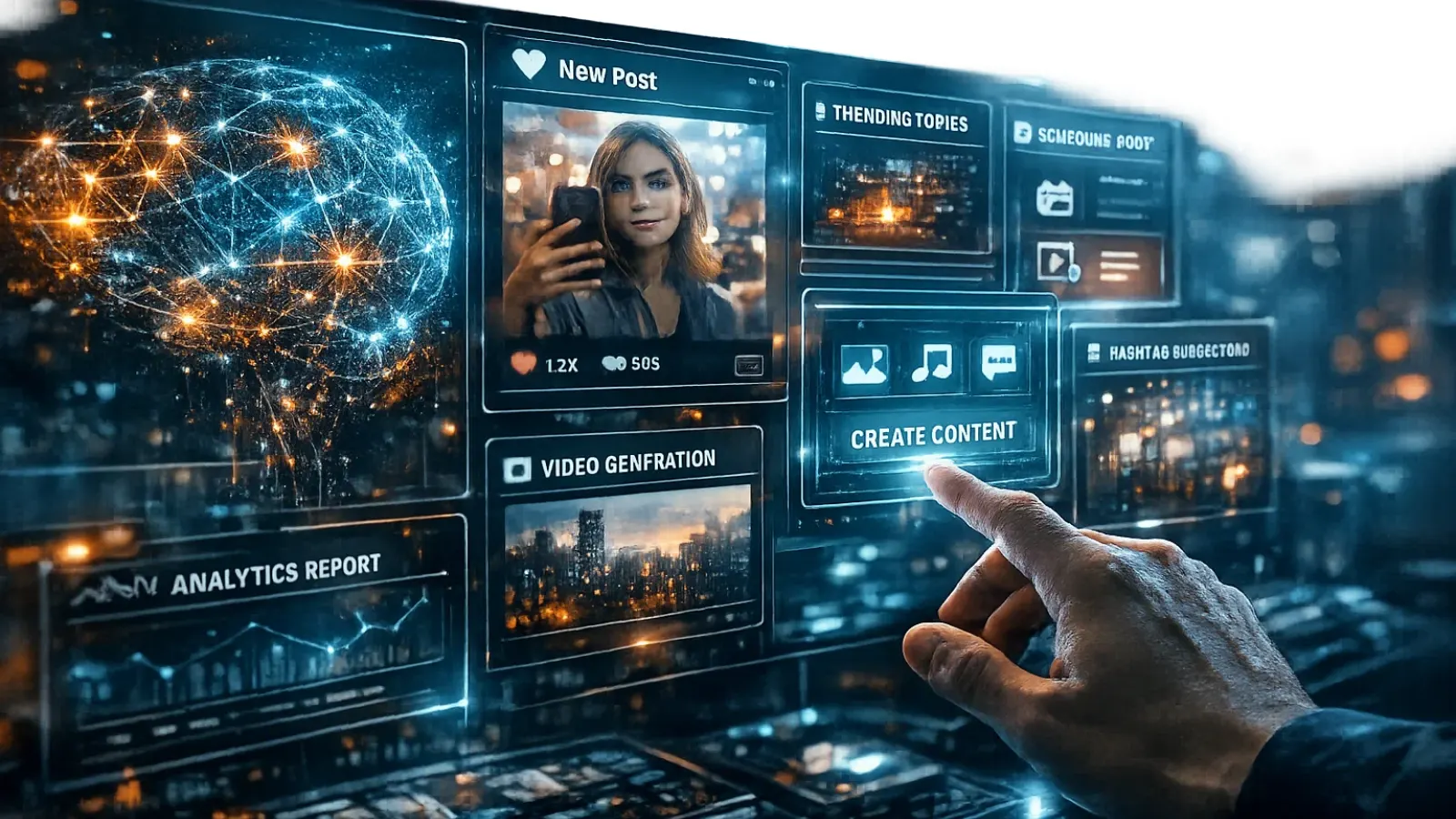
Reading about trends is easy, but turning them into a real strategy is where the magic happens. Start by identifying which trends align with your existing audience’s behavior.
For example, if your audience already loves watching your Stories, focus on short content rather than diving into the metaverse right away. Short-form video is another accessible entry point; it doesn’t require a huge production budget, just creativity and consistency.
AI can be integrated into areas that are time-consuming and repetitive, like drafting captions and analyzing performance. For social commerce, get your content team, e-commerce team, and customer service aligned to ensure a seamless experience for your customers.
Finally, measure engagement, time spent, and conversion—vanity metrics like follower count aren’t enough anymore.
3 Practical Methods to Keep Your Social Media Trends Strategy Relevant in 2026
- Make trend monitoring a habit: Allocate time each week to explore what’s trending in your industry and related categories. This builds pattern recognition over time.
- Follow early adopters: Keep an eye on creators who are experimenting with new features. They often spot trends before they go mainstream.
- Join platform betas: Sign up for beta features to get early access to new tools and gain a distribution advantage.
Common Social Media Trends Mistakes You Must Avoid

- Chasing every trend: Adopt trends that align with your brand and audience—not just because they’re popular.
- Over-saturating with promotional content: Keep your content mix balanced between value-driven content and promotional posts.
- Ignoring ethical concerns: Be proactive about privacy and transparency to avoid backlash.
- Treating all platforms the same: Tailor your content for each platform rather than reposting the same content everywhere.
Also Read:
PowerAdSpy: Your Secret Weapon for Social Media Trendspotting
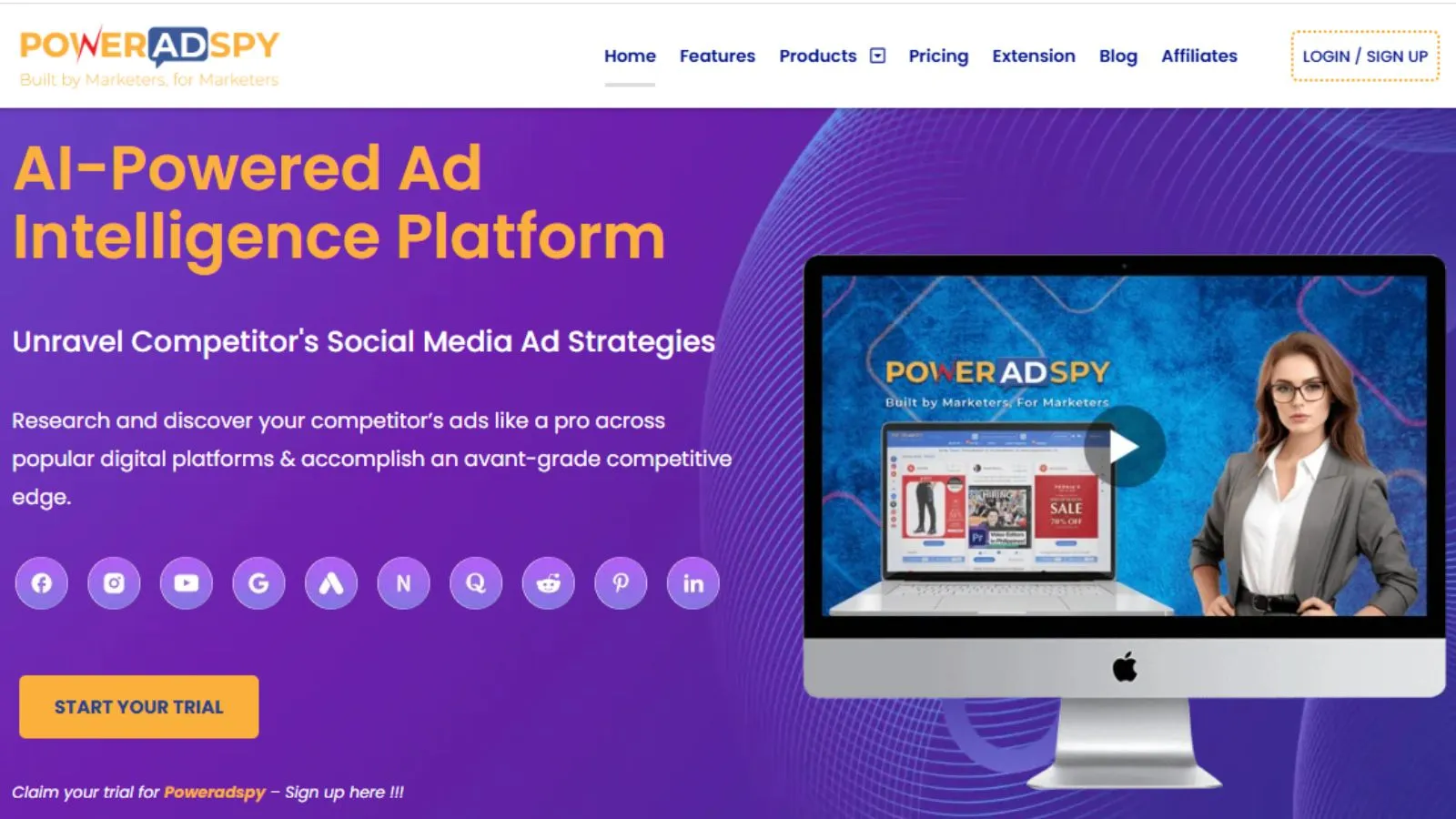
How PowerAdSpy Helps You Stay Ahead in 2026
Staying ahead of social media trends isn’t just about observing; it’s about understanding why things are working. That’s where PowerAdSpy comes in.
PowerAdSpy is an ad intelligence platform that shows you in real-time what competitors are running across social platforms. This tool helps you track trends, identify successful strategies, and gain insights into competitors’ messaging, formats, and offers, giving you a competitive edge.
Here’s how it works:
- Real-time ad tracking: See what’s actively being promoted right now in your niche.
- Competitor analysis: Understand how your competitors are structuring their campaigns and which formats are gaining traction.
- Trend identification: Spot trends early by tracking which ad formats and styles are emerging across multiple accounts.
- Customizable reports: Extract valuable insights to make informed decisions.
- Enhanced targeting: Learn from competitors’ success to improve your targeting strategies.
In a fast-moving social media trends landscape, having access to this competitive data isn’t just helpful, it’s essential for staying ahead.
Conclusion
As social media trends evolve in 2026, brands, marketers, and creators face new challenges and exciting opportunities. Embracing trends like AI, micro-influencers, and social commerce will be key to staying competitive. Tools like PowerAdSpy can help by tracking competitor ads and uncovering winning strategies. Success will come from anticipating, adapting, and experimenting with these shifts. The brands that thrive won’t just follow trends—they’ll innovate. Start implementing these strategies now, and use PowerAdSpy to stay ahead in the ever-changing social media landscape.
FAQ
What are the key social media trends to watch for in 2026?
Key trends in 2026 include VR/AR adoption, the rise of short-form video across platforms, and AI-driven content for personalized marketing. Ethical marketing, purpose-driven brands, and expanding social commerce are also at the forefront.
How to stay updated with social media trends?
To stay ahead, follow industry reports, early adopters, and platform-native content. Tools like PowerAdSpy help track competitor ads and spot emerging social media trends in real time.
How do trends in social media impact consumer behavior?
Social media trends like short-form video and social commerce drive faster, more personalized interactions, prompting brands to adapt to more engaging, transaction-ready experiences.
Why is ethical marketing becoming more important in 2026?
With tighter privacy regulations, ethical marketing builds consumer trust through transparency and responsible data practices, aligning with the growing demand for sustainability and authenticity.
What role does AI play in shaping social media content in 2026?
AI enhances content personalization and automation, helping brands deliver tailored experiences, streamline processes, and improve ad targeting, making content creation smarter and more efficient.