**Start Your Free Trial Today →
Seventy-five percent of people conformed to a wrong answer at least once in the classic Asch experiments. Here’s the complete guide testimonial advertising makers asked for in 2026, and why the approach works so well.
Testimonial ads work because real voices reduce doubt fast. In short, people believe people. That’s the answer. Now let’s unpack the method, the formats that win, how to build your first campaign, and what to avoid.
Moreover, this is a teach-first playbook. You’ll see real brand examples, a 7-step build plan, and tools for research. By the end, you’ll be ready to launch, test, and scale with confidence.
 each featuring a short customer quote with a face thumbnail and 5-star rating; bright but minimal 2026 design system; legible text; diverse customer avatars)
What Is Testimonial Advertising and Why Does It Work?
Testimonial advertising is the use of real customer, expert, or influencer statements in paid media to build trust and drive action. You put a voice the buyer believes in front of a claim they need to believe. This complete guide testimonial advertising explains the core psychology and gives you the formats that convert.
At the root is social proof. People use cues from others, especially under uncertainty. In the classic line-judgment tests, 75% of participants conformed at least once and the average conformity rate on critical trials was about 32% (Asch conformity experiments). While that’s not an ad study, it shows how strong peer cues can be. In ads, a face, a name, and a short story work the same way to lower risk.
In addition, a testimonial taps our trust bias. We discount brand claims yet give weight to peers, domain experts, or public figures we already know. So, a 12-second clip of a runner saying, “These shoes fixed my shin splints in two weeks,” does more than a 60-second product feature reel. It answers the buyer’s main objection in a voice they prefer.
The Main Types (and When to Use Each)
- Customer testimonials: Everyday users. Best for mid-funnel proof and common objections. Example: Casper’s “I slept through the night” quotes for buyers comparing mattresses.
- Expert testimonials: Professionals or researchers. Great for high-consideration or technical products. Example: Oral-B with dentist endorsements.
- Celebrity testimonials: Well-known figures. Useful for reach and awareness. Example: Nike athlete stories that pair a product with performance credibility.
- Influencer testimonials: Niche creators with engaged followings. Ideal for specific audiences. Example: a YouTube tech reviewer for a new webcam.
- Peer testimonials: People “like me” by role or use case. Powerful for B2B and communities. Example: Slack showcasing teams in design, sales, or IT.
Furthermore, match the type to your buyer’s trust anchor. If your audience seeks authority, pick a credentialed voice. If they fear risk, use a peer who solved that same risk yesterday.
How to Create Effective Testimonial Ads: A Step-by-Step Framework
Building a standout campaign is a process. Here’s a 7-step method you can run in one sprint. You’ll see real brands at each step. Use this complete guide testimonial advertising framework to move from raw quotes to profit.
Step 1: Identify Your Best Customers
Start with your happiest users and most successful use cases. Pull NPS promoters, 5-star reviewers, and repeat buyers. For example, Airbnb seeded host and guest stories from high-rated stays to show trust and safety. You want people with clear before-and-after outcomes.
Step 2: Collect Authentic Stories
Ask for short, specific answers. “What problem did you have? What changed? What result did you see?” Keep it real. For example, Peloton members often share exact milestones like, “Down 18 lbs and I ride 4x a week.” That detail sells more than vague praise.
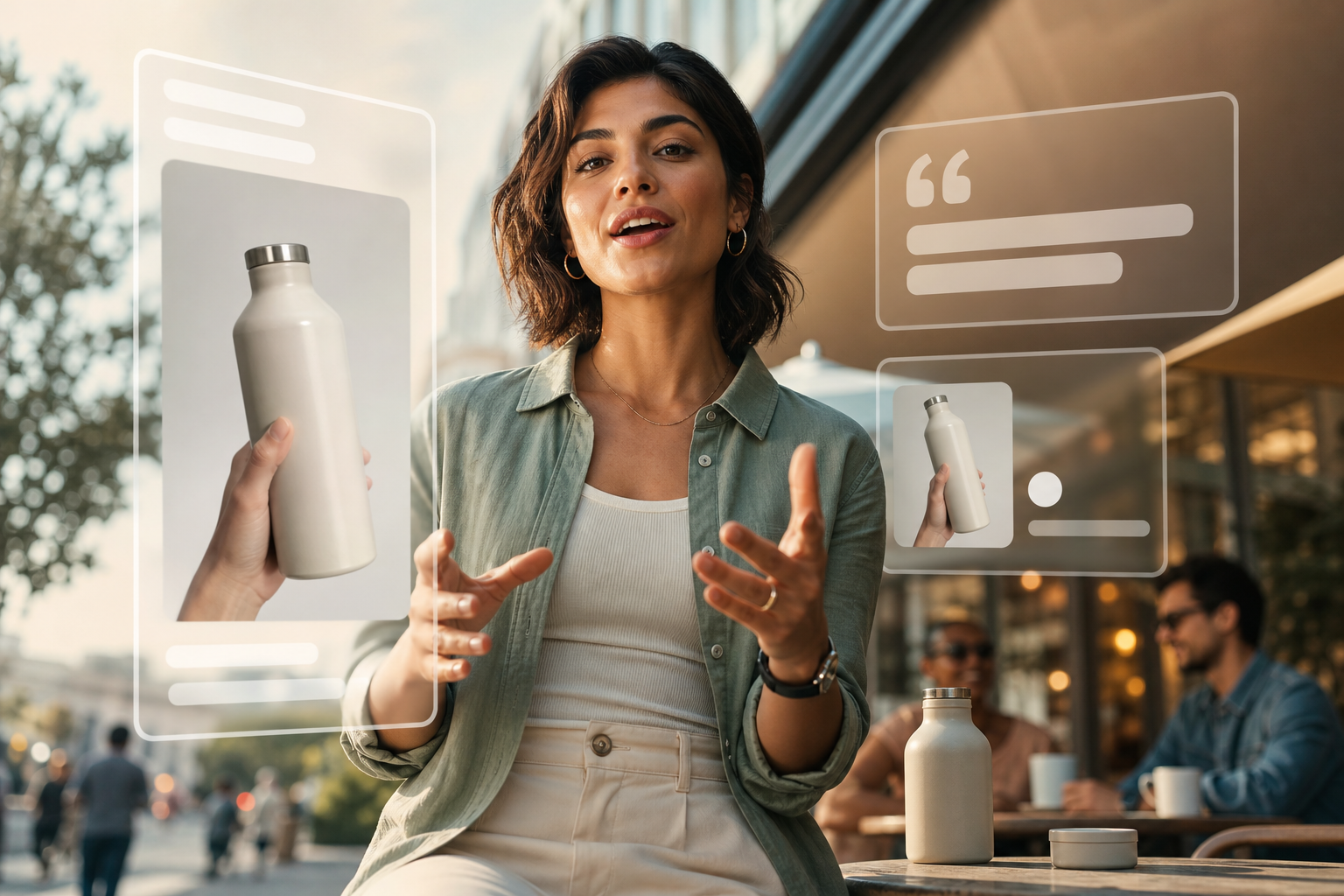
Step 3: Choose the Right Format (Video, Text, Image)
Video is gold for emotion and proof. But text-over-image or a clean quote graphic can scale fast across placements. For example, Apple pairs tight copy with crisp portrait shots. On YouTube or TikTok, go vertical video; on Facebook and Instagram, test square with bold quote overlays.
Step 4: Match the Testimonial to the Buyer Stage
Top of funnel: short, punchy credibility hits. Mid-funnel: objection busters. Bottom funnel: results and risk reversal. For example, Shopify app ads use quick “I launched in a day” clips for awareness, and then show “cut support tickets 41%” for consideration.
Step 5: Write Compelling Ad Copy Around It
Lead with the quote, not the brand. Keep the first line under 12 words. Then add a one-sentence benefit and a clear CTA.
For example, Calm runs “I sleep in 10 minutes now” followed by “Try it free for 7 days.” Tight. Human. Actionable.
Step 6: Select Platform Placement
Pick where your audience scrolls with intent. Instagram Stories for fast hooks. YouTube in-stream for 15–30 second narratives. LinkedIn feed for B2B peer voices by role. For example, HubSpot surfaces “Marketing Ops Manager” quotes right in LinkedIn to match job titles.
Step 7: Test and Iterate
A/B test the hook line, the first 3 seconds of video, and the CTA text. Hold the audience and budget steady for clean reads. For example, Dropbox tests the opener frame (face vs. screen share) and sees large swings in click-through and cost per result.
- Hook test: “I cut churn 18%” vs. “We kept 1 in 5 at-risk users.
- CTA test: “Start free trial”
- Format test: 15-second vertical
Moreover, keep a simple scorecard: hook VTR, CTR, CPC, cost per result, and 7-day conversion rate. If the quote moves those, scale it.
Also Read!
How to Sell on Facebook Marketplace: A Complete Beginner’s Guide
5 Common Testimonial Advertising Mistakes That Kill Conversions
Even good stories can flop. Here are five frequent errors and the fix for each. Use this complete guide testimonial advertising checklist to dodge avoidable losses.
Mistake 1: Using Vague or Generic Testimonials
“Great product!” does nothing. It lacks problem, change, and result. Fix: Ask for specifics. “My GSuite bills took 7 hours; now it’s 45 minutes.
Mistake 2: Ignoring FTC Disclosure Rules
Undisclosed gifts, affiliate ties, or atypical results can trigger problems and erode trust. Fix: Follow the FTC Endorsement Guides and make disclosures clear and hard to miss (FTC Endorsement Guides). Add “Ad,” “Sponsored,” or “Affiliate” as needed, and ensure testimonials reflect typical results or include a clear statement when they don’t.
Mistake 3: Choosing the Wrong Spokesperson
A brilliant founder can be the wrong messenger for a skeptical audience. Fix: Match the spokesperson to the buyer. For example, a Head of IT trusts a peer IT leader more than a celebrity.
Mistake 4: Overproducing Video So It Looks Scripted
Overly polished footage can feel staged and lower believability. Fix: Keep the setting simple, audio clean, and the delivery real. On mobile, a tight frame and subtitles beat drone shots.
Mistake 5: Failing to Match the Testimonial to the Objection
If shipping time is the worry, talk about delivery speed. If ROI is the worry, show ROI. Fix: Map each quote to one main objection and place it at the right funnel stage and platform.
- Objection: “Will it work with my stack?” Fix: a peer-by-role testimonial and a one-line integration proof.
- Objection: “Is this worth the price?” Fix: a result metric and a short payback story.
- Objection: “Is setup hard?” Fix: “Live in an hour” clips with a simple checklist frame.
Tools and Resources for Researching Winning Testimonial Ads
Before you create, study what already works. Start with the free Facebook Ad Library to see live creative by brand and keyword. Then widen your view with ad intelligence tools like PowerAdSpy to search multiple platforms and spot proven hooks, formats, and placements. This complete guide testimonial advertising toolkit will save weeks of trial and error in 2026.
With PowerAdSpy, you can research at scale without guesswork.
- Access to data on millions of ads from over 100 countries with thousands of new ads added daily.
- Ability to search ads based on niche keywords, advertisers, and competitor domains.
- Powerful search algorithm allows sorting ads by keywords, date, shares, likes, and comments.
Furthermore, the tool offers placement filters, engagement details, and direct links to live posts so you can check comments and real audience sentiment in context. That helps you spot the subtle cues in winning testimonial hooks, such as a three-word opener or a results-first caption.
In addition, pair ad research with review mining. Use Appbot or ReviewTrackers to pull real customer language from app stores and support logs. Then build your quote library around phrases buyers already use. If users say “cut prep from 60 to 10 minutes,” use that exact phrasing in your ad.
"We used to struggle with Facebook ads for lead generation… PowerAdSpy helped us see what our competitors were doing right, and suddenly, things clicked." — Steve Decker, SaaS Marketing Manager
As a final note on proof, PowerAdSpy users reported a 15% reduction in A/B testing volume under two months and a 19% improvement in revenue with decreased workforce and better efficiency. That’s social proof for your research process as well as your ads.
What to Do Next: Launching Your First Testimonial Ad Campaign
You can ship a test in one week. Here’s a simple plan.
Day 1–2: Audit your reviews and support tickets. Flag 12 quotes with a clear problem-change-result arc. Sort them by objection: price, setup time, results, or support.
Day 2: Send outreach to 6–8 customers for video. Keep it short, respectful, and easy to say “yes.
- Subject: “Your story could help others”
- Body: “We loved your review about [result]. Could you record a quick 30–60s video on your phone answering three prompts? We’ll send you a guide and a thank-you gift card. Disclosures will be clear. Reply ‘yes’ and we’ll share the steps.
Day 3–4: Produce three ad variants:
- Video: 15 seconds, vertical. Hook in the first 2 seconds. Captions on.
- Static: Headline quote on a clean background with a face thumbnail and rating stars.
- Carousel: Three tiles — problem, change, result — with a short CTA on the last tile.
Day 5: Set up an A/B test: testimonial creative vs. non-testimonial creative with the same offer. Hold budget, audience, and schedule constant. Track hook VTR, CTR, CPC, and cost per lead or sale. Use the winner as your baseline and iterate.
As you run this sprint, keep this complete guide testimonial advertising by your side. It reminds you to match quotes to objections, keep the openers tight, and disclose clearly.
Key Takeaways
- Testimonial ads win by using social proof and trust bias to lower risk fast.
- Match the voice to the buyer stage: peer for B2B, expert for technical, influencer for niche reach.
- Lead with the quote, keep the hook under 12 words, and add a clear CTA.
- Disclose endorsements per the FTC and reflect typical results, or state otherwise.
- Research first: study ad libraries and use tools to sort winning hooks by engagement, format, and date.
What to Do This Week
Ship one small test. Pull 12 real quotes, record two 15-second videos, and build a static and a carousel version. Then run a clean A/B against your current best creative.
If the testimonial beats your control on CTR and cost per result, scale that line. If not, swap the opener, change the CTA, and try a peer voice. By next week, you’ll have proof.