

Ever visited a website, checked out a product, and then suddenly started seeing ads for it everywhere on Facebook? That’s not a coincidence, it’s strategy.
That strategy is called retargeting Facebook ads, and it’s one of the most powerful ways businesses turn lost visitors into paying customers. Most users don’t convert on their first visit. They browse, compare, get distracted, and leave. Without a follow-up, that potential customer is gone.
This is where retargeting steps in.
Instead of letting those visitors slip away, Facebook ads allow you to reconnect with people who have already shown interest in your brand. Whether they visited your website, added a product to their cart, or engaged with your content, you can bring them back with highly relevant ads.
Listen to the Podcast.
What Are Retargeting Facebook Ads?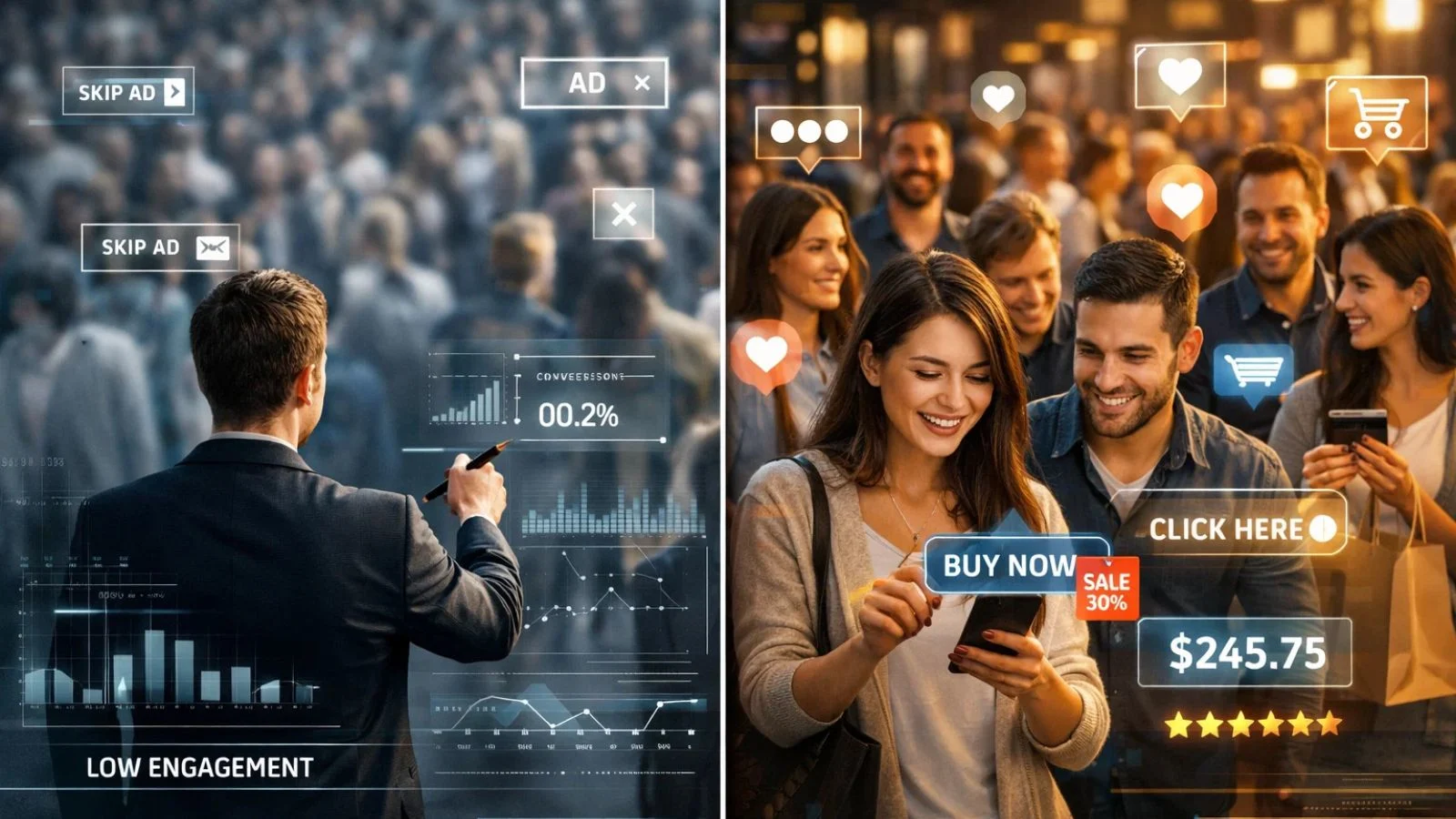
At its core, retargeting Facebook ads are ads shown to people who have already interacted with your business in some way.
These interactions can include:
- Visiting your website
- Clicking on a product
- Adding items to a cart but not purchasing
- Engaging with your Facebook or Instagram page
- Watching your videos
Unlike cold advertising, where you target new audiences, Facebook ads focus on “warm” audiences people who are already familiar with your brand.
This is what makes them so effective.
When someone sees your ad after already interacting with your business, they’re far more likely to:
- Remember your brand
- Trust your offer
- Complete a purchase
That’s why retargeting ads on Facebook consistently deliver higher conversion rates compared to standard ads.
Another key advantage is personalization. With Facebook retargeting ads, you can tailor messages based on user behavior. For example:
- Show product-specific ads to users who viewed a product
- Offer discounts to users who abandoned their cart
- Promote testimonials to users who visited your pricing page
This level of precision makes Facebook ads retargeting one of the most cost-effective strategies in digital marketing.
How Do Retargeting Facebook Ads Work?
Now that you know what they are, let’s break down how retargeting Facebook ads actually work behind the scenes.
The process is simpler than it sounds and typically involves three key steps:
1. Tracking User Behavior
The first step in ads on Facebook is tracking user activity. This is done using a small piece of code called the Facebook Pixel (now part of Meta Pixel).
Once installed on your website, the pixel tracks actions like:
- Page visits
- Button clicks
- Add-to-cart events
- Purchases
This data helps Facebook understand who interacted with your business and how.
2. Building Custom Audiences
After collecting data, Facebook groups users into audiences based on their behavior.
Examples include:
- All website visitors
- Users who visited specific pages
- People who added items to cart but didn’t buy
- Past customers
These are called Custom Audiences, and they are the foundation of Facebook ads.
With Facebook retargeting ads, you can also create:
- Engagement audiences (people who interacted with your content)
- Video viewers
- App users
- Showing Relevant Ads
Once your audience is ready, Facebook starts showing them targeted ads.
This is where the magic happens.
Instead of generic messaging, retargeting Facebook ads deliver highly relevant content based on user behavior. For example:
- A user who viewed a product sees that exact product again
- A cart abandoner sees a reminder or discount
- A blog reader sees a related offer
This approach makes retargeting ads on Facebook feel more personalized rather than intrusive.
Why Retargeting Works So Well
The power of retargeting Facebook ads lies in targeting people who have already shown interest. Most users don’t convert on their first visit; they explore, compare, and leave. Retargeting brings them back at the right moment.
Because these ads are based on real user behavior, they feel more relevant. Seeing a product or offer they have already interacted with increases familiarity and trust. This is why retargeting ads on Facebook often outperform cold campaigns.
With Facebook retargeting ads, you stay visible during the decision phase, when users are most likely to convert. Instead of starting from zero, you’re continuing the conversation, making conversions faster and more cost-effective.
Types of Retargeting Facebook Ads You Should Know
Not all retargeting Facebook ads work the same way. Depending on user behavior, Facebook allows you to retarget people in different stages of their journey, which helps you deliver more relevant messages and improve conversions.
One of the most common types is website retargeting. This focuses on users who have already visited your website but didn’t take action. With Facebook retargeting ads, you can remind them of the exact pages or products they viewed, keeping your brand fresh in their minds and encouraging them to return.
Another important type is engagement retargeting. This targets users who have interacted with your content on Facebook or Instagram, such as liking a post, watching a video, or clicking on an ad. These users are already aware of your brand, so retargeting ads on Facebook help push them further down the funnel toward conversion.
You also have cart abandonment retargeting, which is especially powerful for eCommerce businesses. When someone adds a product to their cart but doesn’t complete the purchase, Facebook ads retargeting can bring them back with reminders or special offers, increasing the chances of completing the sale.
Lastly, there is customer list retargeting, where you upload existing customer data to Facebook. This allows you to re-engage past buyers, upsell products, or promote new launches using retargeting ads facebook strategies.
Each of these formats plays a key role in making retargeting Facebook ads more precise and effective, ensuring you reach the right people at the right time.
How to Set Up Retargeting Facebook Ads Step-by-Step
Setting up retargeting Facebook ads is straightforward once you understand the basic flow. It all starts with tracking user behavior and ends with showing highly relevant ads to the right audience.
The first step is installing the Meta Pixel on your website. This small piece of code collects data about user actions such as page visits, product views, and purchases. Without it, Facebook retargeting ads cannot accurately identify who to retarget.
Next, you need to define your audience inside Meta Ads Manager. Here, you create custom audiences based on specific behaviors like website visitors, cart abandoners, or people who engaged with your content. This is where retargeting ads on Facebook become highly targeted instead of broad.
Once your audience is ready, you move on to creating your ad campaign. Choose an objective that aligns with your goal, such as conversions or sales. Then design your creatives based on user intent. For example, someone who viewed a product might respond better to a reminder-style ad, while cart abandoners might need a stronger incentive. This is a key part of Facebook ads retargeting strategy.
After that, you set placements and budget. Facebook automatically optimizes delivery, but you can also refine placements to focus on Instagram, Facebook feeds, or stories, depending on where your audience is most active. This improves the efficiency of retargeting ads on Facebook campaigns.
Finally, launch your campaign and monitor performance. Track metrics like click-through rate, cost per conversion, and return on ad spend. Over time, you can refine your audience and creatives to make your retargeting Facebook ads even more effective.
Best Practices to Improve Retargeting Performance
To get the most out of retargeting Facebook ads, you need more than just setup you need smart optimization. Small improvements in timing, messaging, and audience control can significantly impact results.
One of the most important practices is segmenting your audience properly. Not all users behave the same way, so your Facebook retargeting ads should reflect different levels of intent. Someone who only visited your homepage should not see the same message as someone who added a product to their cart.
Another key factor is controlling ad frequency. If users see your retargeting ads on Facebook too often, they may feel annoyed and ignore your brand altogether. On the other hand, showing ads too rarely can make them forget you. Finding the right balance keeps your brand visible without overwhelming the audience.
Your creatives also play a huge role. Strong visuals and clear messaging help Facebook ads retargeting campaigns stand out. Instead of repeating generic ads, focus on reminding users what they left behind or what benefit they’ll gain by returning.
It’s also important to refresh your ads regularly. Even high-performing retargeting ads facebook campaigns lose effectiveness over time if users keep seeing the same content. Updating visuals, copy, or offers helps maintain engagement and prevents ad fatigue.
Finally, always test different strategies. A/B testing variations of your retargeting Facebook ads, from headlines to offers, can reveal what resonates best with your audience and improve your return on ad spend over time.
How PowerAdSpy Helps You Improve Retargeting Facebook Ads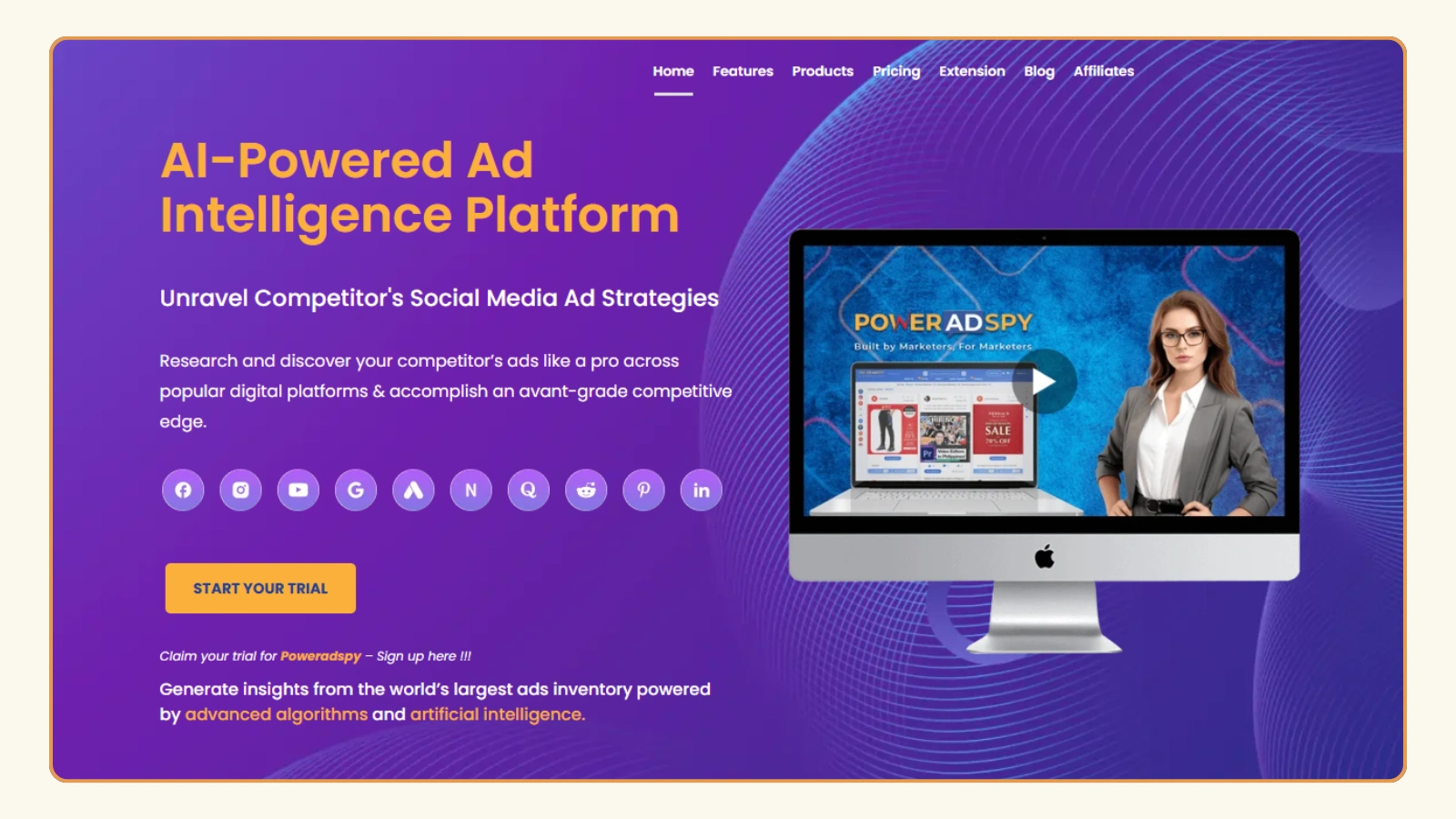
When it comes to improving retargeting Facebook ads, research and competitive insights can make a huge difference. This is where PowerAdSpy becomes especially useful for marketers who want to understand what’s already working in their niche.
With PowerAdSpy, you can analyze real-time ad examples from competitors and top-performing brands. This helps you identify which angles, creatives, and messaging styles are being used in successful Facebook retargeting ad campaigns. Instead of guessing what might work, you can base your strategy on proven data.
It also helps you discover patterns in ad copy and visuals used for retargeting ads on Facebook. For example, you can see how brands structure their reminders, offers, and calls-to-action to bring users back after they’ve shown interest but didn’t convert.
Another advantage is the ability to study audience-focused strategies behind Facebook ads retargeting campaigns. By observing how competitors re-engage users, you can refine your own funnels and improve conversion rates without wasting budget on trial and error.
PowerAdSpy also allows you to track trending ads across industries, which gives you a clearer idea of what’s currently performing well in retargeting ads Facebook campaigns. This helps you stay updated and adapt your strategy faster than competitors.
Common Mistakes to Avoid in Retargeting Facebook Ads
Even though retargeting Facebook ads are highly effective, many advertisers lose money by making simple mistakes that reduce performance and increase costs.
One of the biggest mistakes is targeting everyone the same way. Not every user is at the same stage of interest, so using identical messaging across all audiences in your Facebook retargeting ads often lead to low engagement and poor conversions. A user who just visited your homepage should not see the same ad as someone who abandoned a cart.
Another common issue is ignoring ad fatigue. When people see the same retargeting ads on Facebook repeatedly, they start ignoring them or developing a negative brand perception. Without refreshing creatives, your campaign performance naturally declines over time.
Many advertisers also fail to set proper time windows. Retargeting someone too late reduces relevance, while targeting too early may feel intrusive. Effective Facebook ad retargeting depends on finding the right timing based on user behavior.
Budget mismanagement is another mistake. Spending too much on a small warm audience can quickly increase costs without improving results. A balanced approach is important for scaling retargeting ads on Facebook effectively.
Lastly, not tracking performance properly can lead to repeated errors. Without analyzing what works and what doesn’t, your retargeting Facebook ads strategy cannot improve over time.
Also Read,
Facebook Advertising Strategy, Targeting, and Scaling
Target Ads for Dating Offers: A Complete Guide On How To Target Facebook Ads
Conclusion
Retargeting Facebook ads are one of the most powerful ways to convert interested users into paying customers. Instead of focusing only on new audiences, they help you reconnect with people who already know your brand and are closer to making a decision.
When done right, retargeting ads on Facebook improve brand recall, increase engagement, and significantly boost conversion rates. From website visitors to cart abandoners, every interaction becomes an opportunity to bring users back and complete the journey.
The key is to combine smart audience segmentation, relevant creatives, and consistent optimization. With the right strategy in place, Facebook retargeting ads can turn missed opportunities into steady revenue growth.
Tools like PowerAdSpy can further strengthen your approach by helping you analyze competitor strategies and refine your campaigns with real data instead of guesswork.
FAQs
- What does retargeting mean in Facebook advertising?
Retargeting in Facebook advertising refers to showing ads to people who have already visited a website, used an app, or engaged with content on Facebook or Instagram. Instead of reaching completely new audiences, it focuses on reconnecting with users who already know the brand. - Why should businesses run ads for previous website visitors?
People who have already interacted with a brand are more likely to take action. Running ads for these users helps improve conversion rates because the audience is already familiar with the product or service, making them easier to convince. - How does Facebook know which users to show these ads to?
Facebook uses a tracking tool called the Meta Pixel, which records user actions such as page visits, product views, or cart additions. Based on this data, ads are shown to users that match specific behaviors. - Do these ads perform better than regular campaigns?
Yes, campaigns targeting past visitors usually perform better because they focus on a warm audience. These users already have some level of interest, which often leads to higher engagement and better results.