
Social media advertising has become more competitive than ever, and keeping up with constant changes can feel overwhelming. With new features, shifting algorithms, and evolving audience behavior, staying aligned with the latest social media advertising trends is now essential for running successful campaigns.
That is exactly why staying updated is not just helpful, it is essential. If you are investing money into paid campaigns, you need to know what is working right now. Staying aligned with the latest social media advertising trends is now essential to avoid wasting budget on outdated strategies.
If you are running paid campaigns, keeping pace with social media advertising trends is no longer optional, it is how you survive and grow in an increasingly competitive space.
This blog breaks down the most important shifts happening right now, what they mean for your brand, and how to turn them into a real competitive edge.
In a hurry? Listen to the blog instead!
Why Social Media Advertising Trends Matter More Than Ever?
Every year, billions of dollars flow into social media ads. But the brands that see the highest returns are not always the ones with the biggest budgets. They are the ones paying closest attention to where the space is moving.
Understanding social media advertising trends helps you allocate budget smarter, reach your audience more precisely, and create content that actually converts. It also highlights how advertising trends in social media are constantly evolving, requiring marketers to stay informed and adaptable. Ignoring these shifts means falling behind competitors who are already adapting.
This is why tracking social media advertising trends consistently matters.
Why Are Short-Form Video Ads Dominating Social Media?
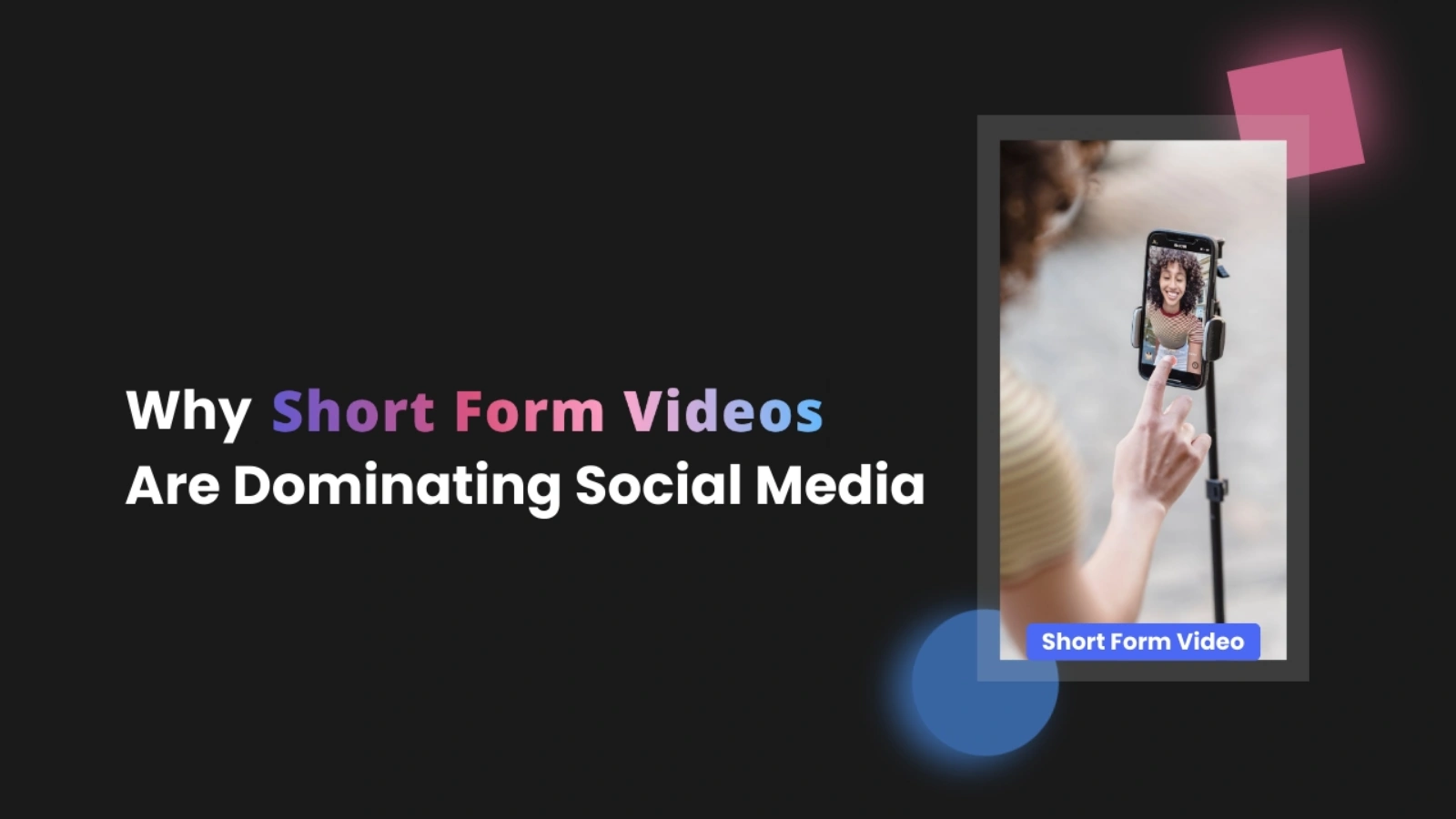
Short-form video is one of the most powerful social media advertising trends in 2026, and it is reshaping how brands communicate. This is one of the most dominant social media advertising trends today.
Key reasons behind its dominance:
- Native to user behavior: Platforms like TikTok, Instagram Reels, and YouTube Shorts are built around quick, scrollable content.
- Higher engagement rates: Short videos capture attention faster and keep users engaged longer than static formats.
- Lower resistance to ads: These ads blend seamlessly into the feed, making them feel less intrusive.
What should you focus on
Authenticity over perfection. Raw, relatable content consistently outperforms overly polished ads because it feels more genuine.
Also Read:
A Complete Guide to Social Media Advertising Costs for 2026
How To Use Product Advertising To Grow Your Brand?
How Is AI Transforming Social Media Advertising?
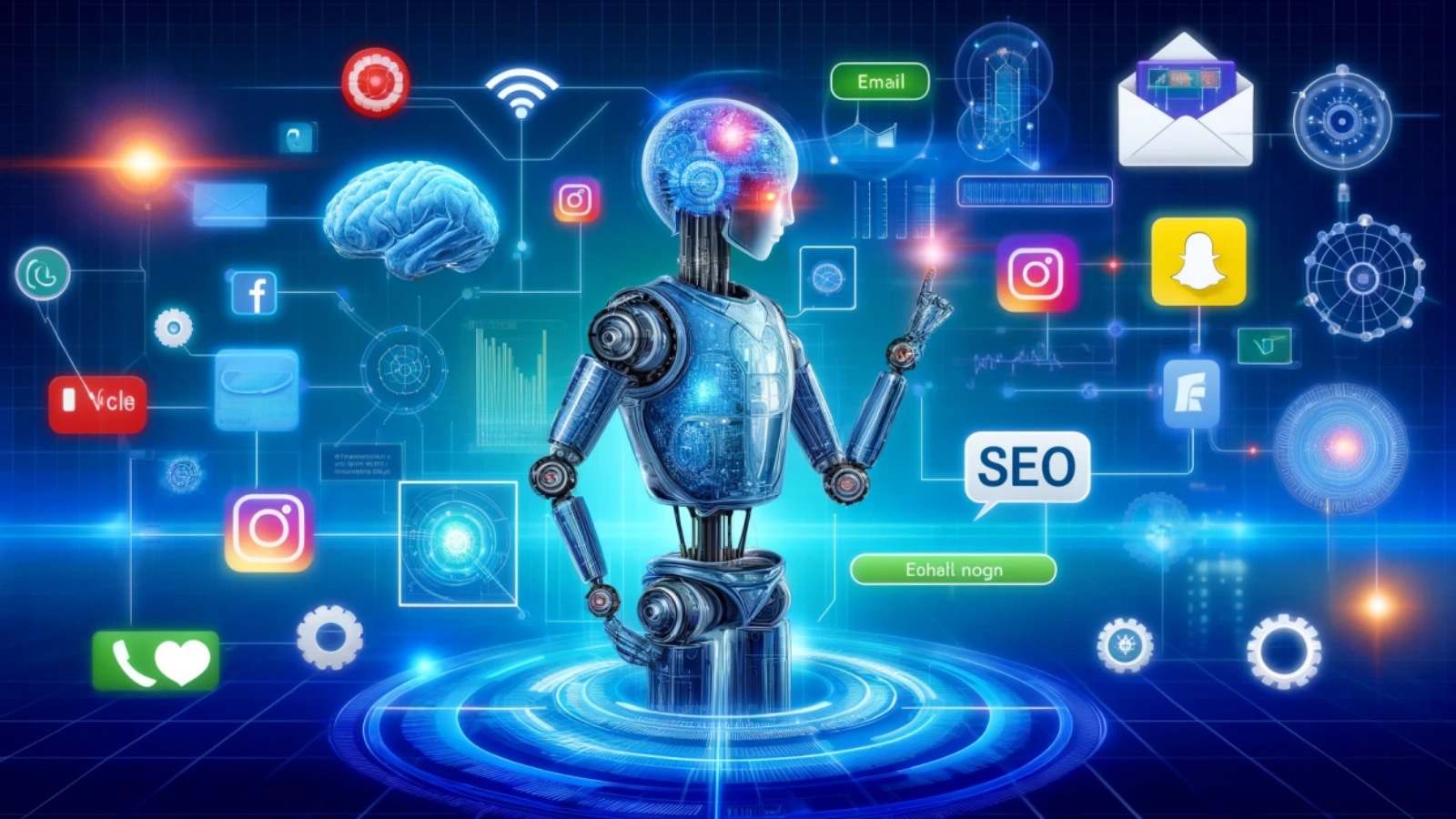
Artificial intelligence has rapidly evolved from a supporting tool into a central pillar of modern advertising strategies. Today, it is deeply integrated into how campaigns are created, managed, and optimized across social platforms.
Where AI is making the biggest impact:
Ad creation:
AI tools can generate multiple variations of ad copy, headlines, and creatives within seconds. This allows marketers to test different messaging angles quickly without investing significant time or resources.
Campaign optimization:
AI continuously analyzes performance data and automatically adjusts bids, placements, and audience targeting in real time. This ensures that campaigns are always moving toward the most efficient outcomes.
Personalization at scale:
Instead of showing the same ad to every user, AI enables dynamic personalization. Each user can see a version of the ad that aligns with their behavior, interests, and engagement patterns.
Platforms like Meta Platforms are already leveraging AI through solutions like Advantage+, which automate large parts of campaign management while improving overall performance.
As AI continues to advance, it is enabling marketers to run smarter campaigns with greater precision, efficiency, and consistency. This not only improves performance but also helps brands manage social media advertising cost more effectively, shaping future social media advertising trends significantly.
Why Is Social Commerce Becoming A Standard?
Social media has evolved far beyond a discovery channel. It is now a fully integrated commerce ecosystem where users can move from browsing to purchasing in just a few taps.
What is driving this shift:
In-app shopping features:
Social platforms now offer built-in storefronts that allow users to explore products, view details, and complete purchases without leaving the app.
Reduced friction in the buying journey:
The gap between product discovery and checkout has significantly shortened, removing unnecessary steps that often lead to drop-offs.
Impulse-driven purchasing behavior:
Seamless user experiences and visually engaging content encourage quicker decisions, especially when products are presented within a familiar social environment.
This shift is making it one of the fastest-growing social media advertising trends.
Key platforms leading this trend include:
Instagram Shops, TikTok Shop, and Pinterest product pins, all of which are redefining how users interact with brands and products online.
For advertisers, this shift means that every ad must do more than capture attention. It needs to communicate value, build trust, and drive action within seconds.
How Are Influencer-Led Ads Changing Advertising?
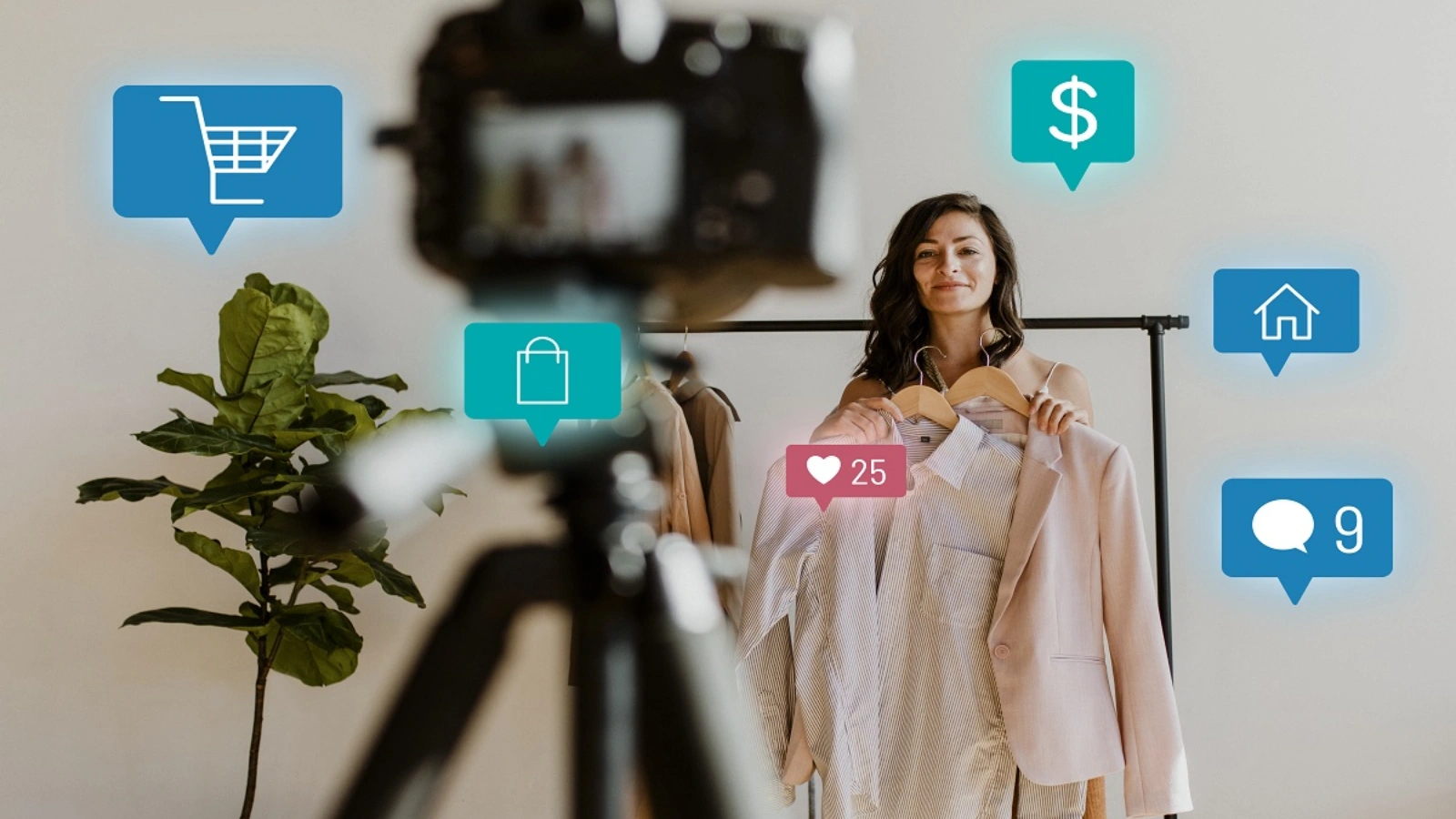
Influencer marketing and paid advertising are no longer separate strategies; they are now deeply interconnected. Brands are increasingly using creator-generated content within their ad campaigns to make messaging feel more authentic and relatable to audiences, especially in the evolving space of product advertising.
This format works so well because it builds higher trust levels, as people are more likely to believe recommendations from creators they follow than from brands directly. It also enables authentic storytelling, where content feels natural rather than overly polished or promotional.
As a result, these ads drive better engagement, with audiences more willing to like, comment, and interact with content that feels genuine.
What is working best right now includes collaborating with micro-influencers (typically those with 10,000 to 100,000 followers), focusing on niche audiences, and using everyday, non-polished content that blends seamlessly into social feeds. Brands can use a micro influencers platform to discover relevant creators, evaluate their audiences, and manage potential collaborations more efficiently.
This shift highlights a fundamental change in advertising, people are far more likely to trust and respond to real voices than traditional brand messaging. Overall, this shift reflects modern social media advertising trends.
Overall, this shift reflects modern social media advertising trends.
Why Is First-Party Data More Important Than Ever?
Privacy changes have fundamentally reshaped how advertisers approach targeting. With stricter regulations and tracking limitations, relying on third-party data is no longer as effective as it once was.
What is happening:
- Decline of third-party data:
Traditional data sources are becoming less accessible and less reliable - Increased tracking restrictions:
Privacy updates are limiting how user behavior can be tracked across platforms - Reduced accuracy in platform targeting:
Ads based only on platform data are not as precise as before
What you should focus on:
- Email lists:
Build direct communication channels with your audience - CRM data:
Use customer insights to create more targeted campaigns - Customer databases:
Leverage past behavior and purchase history for better personalization
Why it matters:
- More control over your data:
You are not dependent on third-party platforms - Higher targeting accuracy:
Campaigns become more relevant and effective - Better return on investment (ROI):
- Improved precision leads to stronger results
Brands that invest in first-party data are already outperforming competitors by running more efficient and reliable campaigns.
This makes it a key part of evolving social media advertising trends.
How Can Competitive Research Improve Your Ad Strategy?
Running ad campaigns without proper research often leads to wasted budget, inconsistent results, and slow learning. Competitive research helps you understand what is already working in your market so you can make smarter, data-driven decisions from the start.
This is where tools like PowerAdSpy become highly valuable, as they provide visibility into real ads being used by competitors across different platforms and regions.
What you gain from competitive research:
- Winning ad insights:
Discover which ad creatives, formats, and messaging are already performing well in your niche, reducing the need for trial and error. - Creative inspiration:
Identify high-performing hooks, visuals, and call-to-action strategies that you can adapt and improve for your own campaigns. - Better budget efficiency:
Avoid spending money on untested ideas that are less likely to convert, and focus your budget on strategies with proven success. - Audience and targeting ideas:
Understand how competitors position their ads and which audiences they are likely targeting. - Faster campaign optimization:
Learn from existing data instead of starting from scratch, allowing you to refine campaigns more quickly
Instead of relying on guesswork, competitive research allows you to build campaigns backed by real market data, improving both performance and return on ad spend.
Why Is Poweradspy The Best Tool For Ad Intelligence?
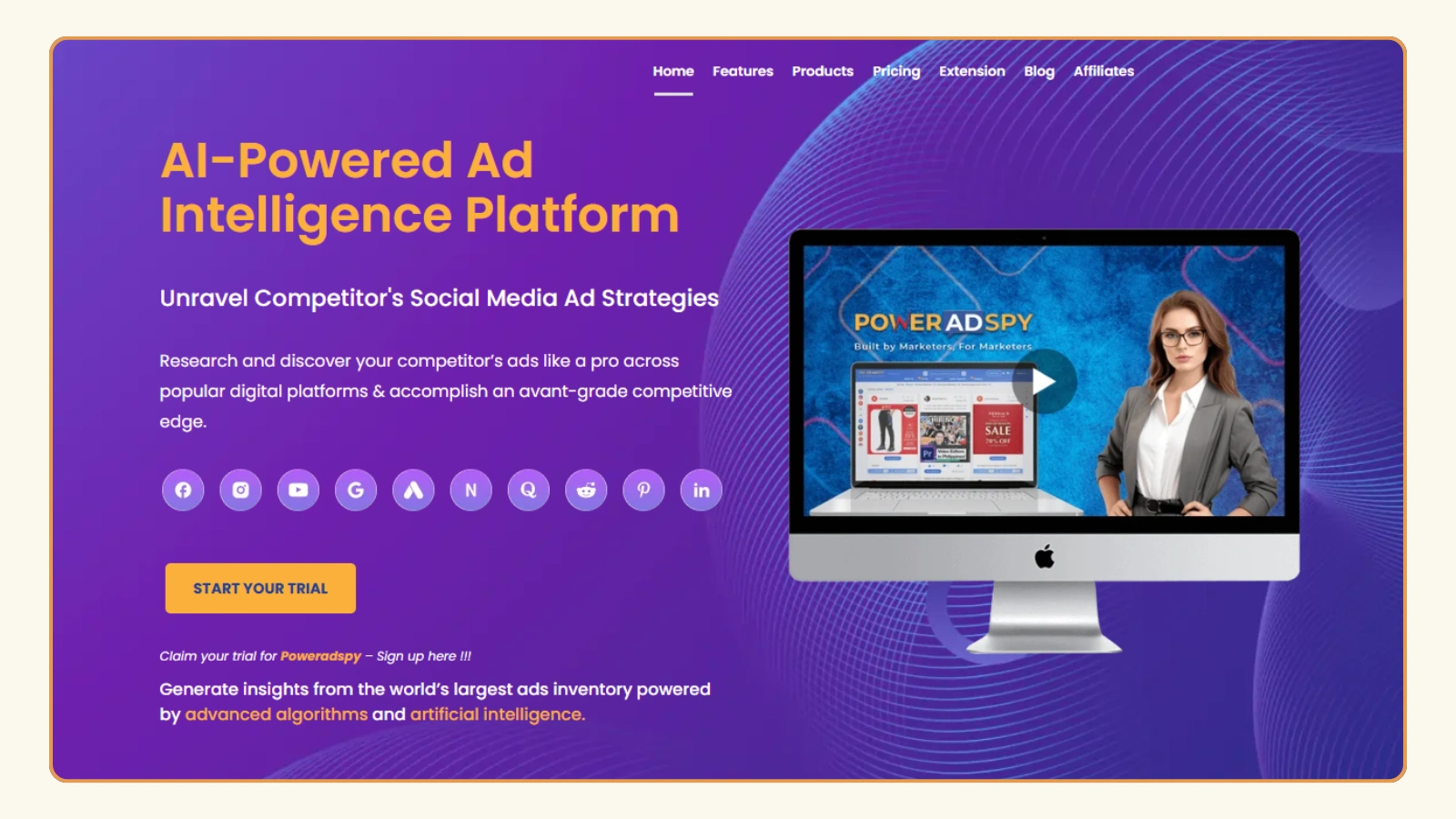
Using the right ad intelligence tool can significantly improve your campaign performance, and PowerAdSpy stands out by offering features that give marketers a real competitive edge.
Key features that make PowerAdSpy powerful:
Massive ad database:
Access millions of ads across global markets, including both live and past campaigns. This helps you identify winning trends, understand what is currently working, and avoid outdated strategies.
Advanced filtering options:
Search ads using keywords, competitor names, or domains to quickly find relevant campaigns in your niche, saving time and improving research efficiency.
Engagement insights:
Analyze likes, shares, and comments to understand how audiences are responding to specific ads, helping you focus on creatives that drive real interaction.
Creative libraries:
Study both image and video ads to identify patterns in high-performing creatives, including formats, messaging styles, and visual elements that capture attention.
Bookmarking system:
Save and organize top-performing ads into a personalized swipe file, making it easier to revisit and use proven ideas when building future campaigns.
These features help reduce guesswork, improve decision-making, and allow you to build more effective ad campaigns faster.
What Emerging Social Media Advertising Trends Should Marketers Watch Closely?
Beyond the major trends, several emerging shifts are rapidly gaining momentum and shaping the future of social media advertising:
- User-generated content (UGC):
Content created by real customers, such as reviews, testimonials, and unboxing videos, is outperforming brand-produced ads because it feels more authentic and trustworthy. - Audio-based advertising:
Audio ads are growing in popularity on platforms like Spotify, allowing brands to reach users during screen-free moments like commuting, exercising, or multitasking. - Interactive ads:
Formats like polls, quizzes, and augmented reality (AR) filters encourage active participation, increasing engagement and making ads more memorable. - Gamified experiences:
Ads that include game-like elements or require user interaction help boost attention, improve recall, and create a more immersive brand experience.
These trends highlight a shift toward more engaging, authentic, and experience-driven advertising strategies.
How Should You Measure Ad Performance In 2026?
Tracking ad performance is becoming more advanced and increasingly data-driven, requiring marketers to move beyond basic metrics. In 2026, the focus is on understanding the true impact of campaigns rather than relying only on surface-level results.
Metrics like Return on Ad Spend (ROAS) help measure overall profitability, while Cost Per Result shows how efficiently your campaigns are delivering outcomes. At the same time, Click-Through Rate (CTR) remains important for evaluating how well your creatives are capturing attention and driving engagement.
Another major shift is the move toward advanced attribution models. Traditional last-click tracking is no longer enough to understand the full customer journey. Instead, brands are using more sophisticated methods that account for multiple touchpoints across platforms, giving a clearer picture of what is actually driving conversions.
As measurement continues to evolve, advertisers who adopt these smarter tracking approaches are able to make better decisions, allocate budgets more effectively, and achieve more consistent campaign performance.
Final Thoughts
Social media advertising is evolving toward a more personalized, data-driven, and human approach.
From short-form video and AI optimization to influencer-led content and first-party data strategies, the latest trends in social media advertising all point in the same direction.
Tools like PowerAdSpy give you the insights needed to make smarter decisions, reduce wasted spend, and scale campaigns with confidence.
The brands that succeed are not just following trends, they are studying them, adapting quickly, and building strategies based on real data.
FAQs
How often should you update your social media advertising strategy?
Social media advertising trends change rapidly, so it is important to review your strategy regularly. Ideally, you should analyze campaign performance weekly and make small optimizations, while doing a more detailed strategy update every 2–3 months. This helps you stay aligned with platform changes, audience behavior, and new ad formats.
Which social media platform delivers the best advertising results in 2026?
There is no single “best” platform, as performance depends on your audience and goals. TikTok is highly effective for reach and engagement through short-form video, Instagram works well for visual storytelling and social commerce, while LinkedIn is ideal for B2B campaigns and lead generation.
How much should you spend on social media advertising?
Your budget should be based on your campaign goals, competition level, and expected cost per result. A practical approach is to start with a test budget, gather performance data, and then gradually scale campaigns that deliver positive ROI instead of committing a large budget upfront.
How can small businesses compete using social media advertising trends?
Small businesses can compete effectively by focusing on high-performing formats like short-form videos, user-generated content, and niche targeting. Instead of trying to outspend larger brands, they can win by being more creative, authentic, and audience-focused.
Why is creative testing important in social media advertising?
Creative testing allows you to identify which visuals, messaging, and formats resonate most with your audience. By continuously testing and optimizing creatives, you can lower your cost per result, improve engagement, and maximize the effectiveness of your ad spend.