
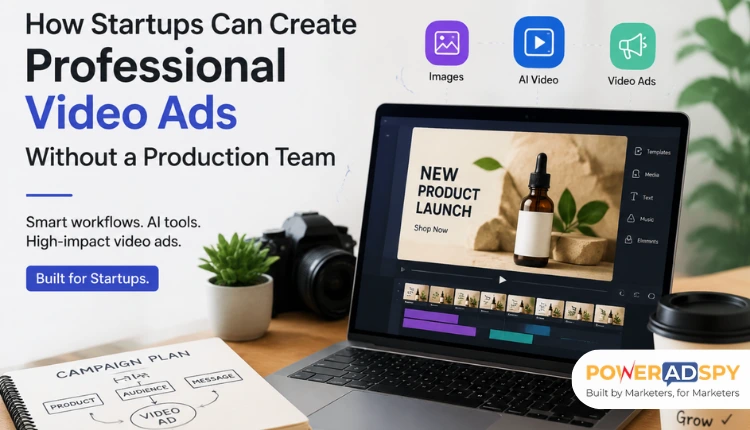
For startups, video advertising is one of the most effective ways to reach potential customers, explain products, and build brand recognition. A well-crafted video ad can communicate a product’s value within seconds and help a new company compete in crowded markets.
However, creating professional video ads has traditionally been difficult for small teams. High-quality production often requires directors, camera crews, locations, actors, editors, and post-production resources. For startups operating with limited budgets and small marketing teams, building a complete production setup is rarely practical.
This does not mean startups need to rely only on simple creatives. Advances in AI video tools are changing how small businesses approach advertising. Teams can now develop product ads, social media creatives, and campaign variations faster without managing a traditional production process.
AI is not replacing creative strategy. Instead, it helps startups simplify execution, experiment with ideas, and create more video content while focusing their resources on growth.
Why Video Ads Are Important for Startups
Startups often need to explain something new to their audience. Whether it is a new product, software platform, or service, customers need to quickly understand the problem being solved and why the solution matters.
Video ads are effective because they combine visuals, messaging, and storytelling in a format that is easy to consume.
A startup can use video advertising to:
- Introduce a new product
- Demonstrate features
- Show customer experiences
- Build brand awareness
- Drive conversions
Unlike static ads, video allows brands to show products in action. A fitness startup can demonstrate how its platform works, an ecommerce brand can highlight product benefits, and a SaaS company can explain workflows visually.
The Challenge of Traditional Video Production for Small Teams
Traditional video production can become complicated quickly. Even a short advertisement requires planning, scripting, filming, editing, and multiple rounds of revisions.
For startups, this creates several challenges.
A small marketing team may need to create multiple versions of an ad for different audiences, platforms, and campaigns. Producing every variation through traditional methods can be expensive and time-consuming.
There is also the challenge of speed. Startups often need to test messaging quickly, respond to market feedback, and update campaigns regularly.
AI video workflows are helping solve this problem by making professional-looking video creation more accessible.
Turning Product Ideas Into Video Ads Faster
One of the biggest advantages of AI-assisted video creation is the ability to move from an idea to a visual concept quickly.
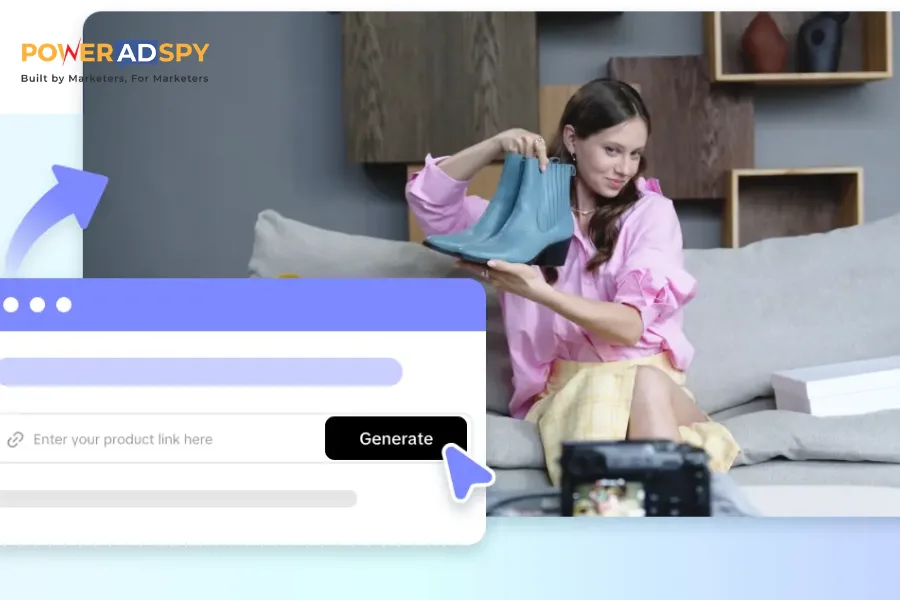
Instead of starting with a full production plan, startups can explore different creative directions, messaging styles, and visual approaches before deciding what works best. Teams can also bring static product visuals and campaign assets to life by converting existing images into engaging video sequences, making it easier to test different ad concepts without creating every asset from scratch.
For example, an ecommerce startup launching a new product can test different advertising angles, such as:
- Problem-solution storytelling
- Product demonstrations
- Lifestyle-focused videos
- Customer-focused narratives
This allows teams to experiment with creative ideas, transform existing assets into new formats, and refine campaigns before investing heavily in production.
Creating Product Ads Without a Large Creative Team
Product advertising often requires showing the product from different perspectives. A single campaign may need multiple versions for social media, websites, and paid advertising platforms.
AI tools help startups create these assets by supporting different stages of the creative process, including planning scenes, generating visuals, and refining final videos.
For example, a skincare brand can create product demonstration videos, social advertisements, and promotional content while maintaining the same product appearance and brand style.
This makes it easier for small teams to create a wider range of marketing assets without increasing production complexity.
Building Social Media Creatives at Scale
Social platforms require a constant flow of fresh content. A startup running campaigns on Instagram, TikTok, YouTube, or other platforms often needs multiple creative variations to understand what performs best.
AI workflows allow teams to adapt one campaign idea into different formats.
A single product concept can become:
- Short-form social videos
- Advertisement variations
- Explainer clips
- Product highlights
- Customer-focused stories
This helps startups maintain an active content pipeline without creating every video from the beginning.
Using AI Workflows for Complete Ad Creation
Creating effective video ads involves more than generating visuals. The script, product messaging, scenes, editing style, and final format all need to work together.
This is where AI-powered workflows can help startups manage the entire creative process.
Invideo Agent helps teams move from ideas, scripts, and references to complete video projects through a connected workflow. Instead of handling each stage separately, startups can develop product ads, social creatives, and campaign variations while keeping creative direction aligned.
For example, a startup launching a new product can use an AI workflow to explore concepts, plan scenes, create videos, and refine different versions for advertising campaigns.
With Invideo Agent Two, teams working on larger campaigns can coordinate more complex creative workflows involving visual planning, storytelling, cinematography, and effects while maintaining consistency across multiple video assets.
Maintaining Brand Consistency Across Different Ads
Creating multiple advertisements is useful, but consistency is equally important.
A startup may produce dozens of videos, but customers should still recognize that they belong to the same brand.
Consistency includes:
- Product appearance
- Visual style
- Messaging tone
- Brand colors
- Storytelling approach
AI-assisted workflows can help teams maintain these elements across different campaign variations.
For example, a fashion startup running seasonal advertisements can create different videos while ensuring products, styling, and brand identity remain consistent.
Testing Different Creative Approaches
Advertising success often depends on experimentation. Startups need to understand which messages, visuals, and formats connect best with their audience.
Traditional production makes testing difficult because every new variation requires additional time and resources.
AI tools make creative testing faster by helping teams develop different versions of an advertisement.
A startup can compare different approaches, such as:
- Feature-focused ads
- Emotional storytelling
- Customer-focused content
- Product demonstrations
This allows marketing teams to learn faster and improve campaign performance.
Also Read –
Best AI Tools for Creating High-Converting Video Ads in 2026
How To Improve Small Business Ads Using Facebook Ad Spy Tool
Turning One Video Idea Into Multiple Campaign Assets
For startups, creating a single video is rarely enough. Different platforms, audiences, and campaign goals often require different versions of the same creative idea.
AI workflows make it easier to adapt one product story into multiple formats without rebuilding the entire campaign from scratch. A launch video can be transformed into shorter social media clips, product-focused ads, customer education videos, or different variations for testing.
This flexibility is especially useful for startups that need to move quickly and learn what messaging works best. Instead of spending weeks creating new assets, teams can explore more creative directions and optimize campaigns based on audience response.
By creating more variations from the same core idea, startups can maintain consistency while improving their chances of finding high-performing ad formats.
What Startups Should Look for in AI Video Tools
Not every startup needs the same type of video workflow. The right solution depends on the company’s goals, audience, and content requirements.
Startups creating frequent advertisements should look for tools that support:
- Fast creative iteration
- Multiple video formats
- Product consistency
- Easy editing
- Scalable workflows
The most valuable AI tools are those that help teams create better content while fitting into their existing marketing process.
Building a Repeatable Video Advertising System
For growing startups, the biggest challenge is not creating one good advertisement. It is building a process that allows them to create quality content consistently.
AI-powered video workflows help startups develop repeatable systems where ideas, product information, brand guidelines, and creative decisions can be reused across campaigns.
This allows small teams to maintain a steady flow of video content without depending on large production cycles. Whether a company is launching a new feature, promoting a product update, or running seasonal campaigns, having a structured workflow makes content creation faster and more manageable.
The startups that benefit most from AI video tools will be those that use them not just for individual videos, but as part of a broader marketing process.
Final Thoughts
Creating professional video ads without a production team is becoming more realistic for startups through AI-powered workflows.
From product advertisements and social media creatives to campaign variations, AI tools help small teams create more content with fewer limitations.
The biggest advantage is not simply producing videos faster. It is giving startups the ability to experiment, tell stronger stories, and connect with customers through high-quality visual content.