
Video advertising has become one of the most competitive parts of digital marketing. Brands are no longer competing only through pricing or product features. They are competing for attention in crowded social feeds where users decide within seconds whether a video is worth watching.
A successful video ad needs several elements working together. It needs a strong opening, clear messaging, engaging visuals, and a format that matches the audience and platform. Creating this consistently can be difficult, especially for startups and growing brands that need multiple creatives for testing.
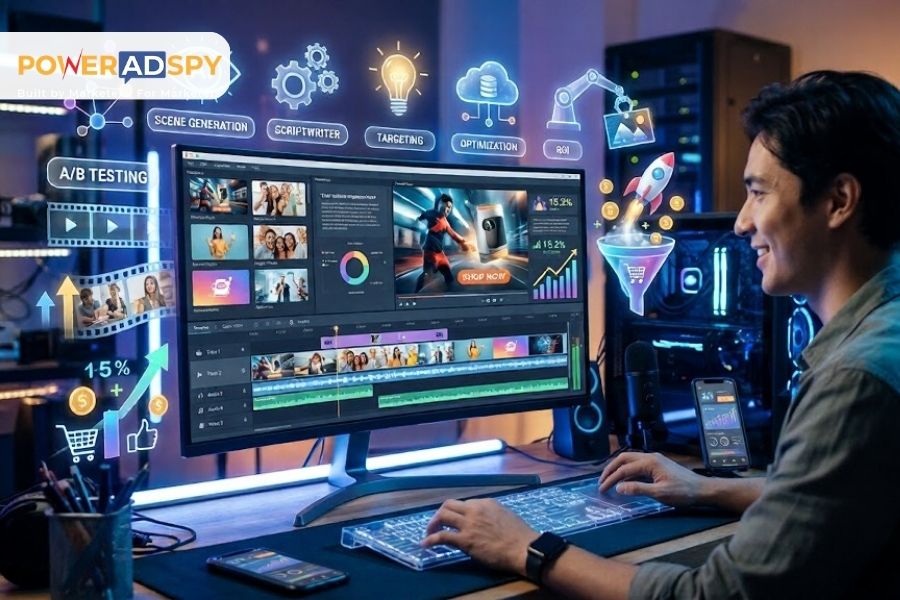
AI video tools are changing how marketers approach ad production. Instead of relying only on traditional shoots and lengthy editing processes, brands can now explore ideas, generate visuals, create variations, and refine campaigns faster.
These tools are helping teams move from a simple product idea to complete advertising creatives while maintaining brand consistency. From ecommerce product ads to social media campaigns, AI is becoming an important part of modern performance marketing workflows.
Here are some of the best AI tools helping brands create high-converting video ads in 2026.
1. Invideo Agent
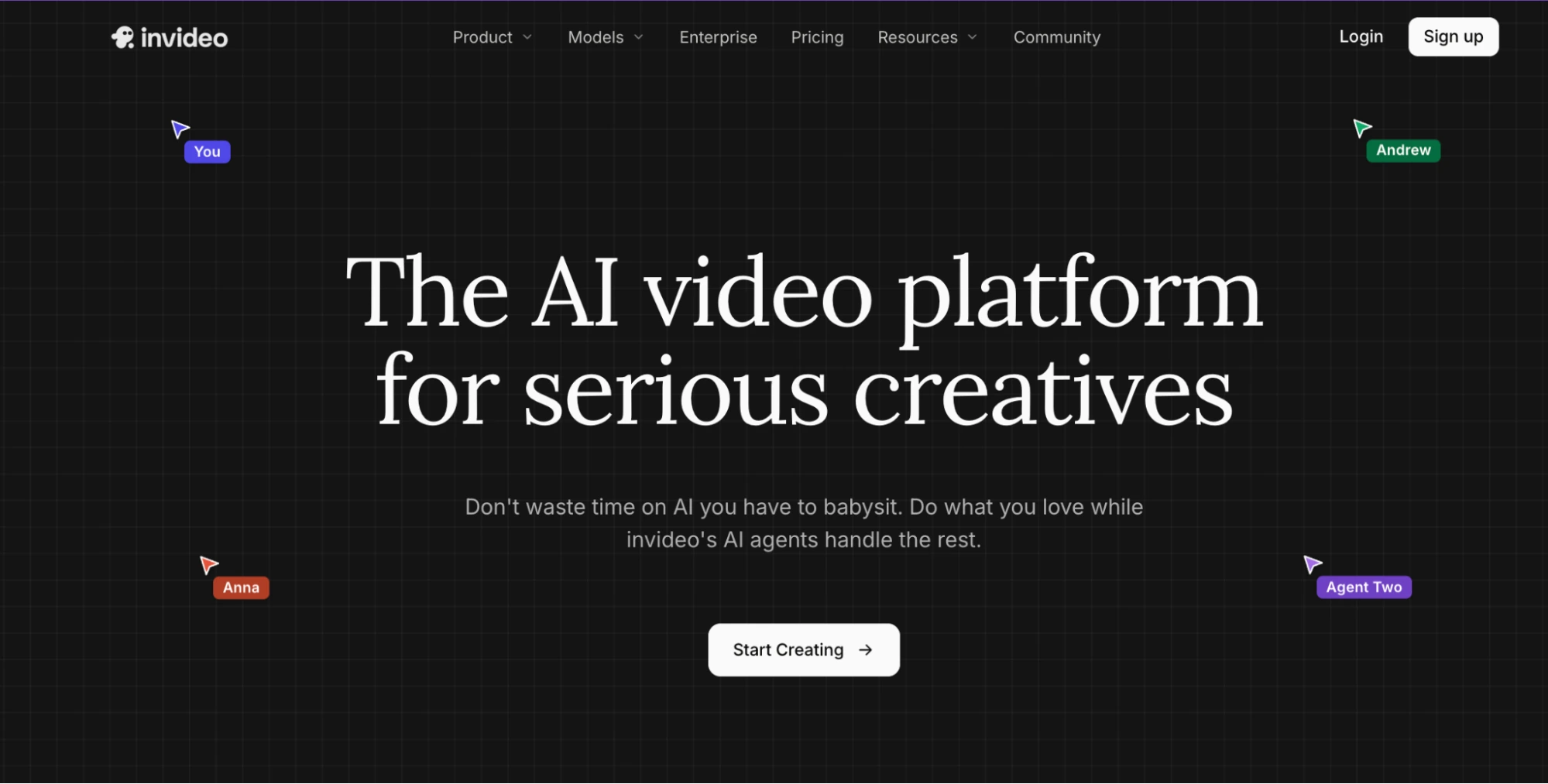
Invideo Agent helps marketers and creative teams turn advertising ideas into complete video projects through a connected workflow. It supports different stages of production, including concept development, scripting, visual planning, generation, editing, and refinement.
For performance marketing teams, this approach is useful because successful ad campaigns often require multiple creative variations. A single product may need different hooks, visuals, formats, and messaging styles depending on the target audience.
Invideo Agent helps teams organize these elements while maintaining consistency across different videos. It can support product advertisements, social campaigns, and branded content where storytelling, visuals, and product presentation need to work together.
With InVideo Agent Two, larger marketing teams can coordinate more complex campaigns by managing areas such as creative planning, visual development, cinematography, and effects while maintaining alignment across multiple advertising assets.
2. Runway
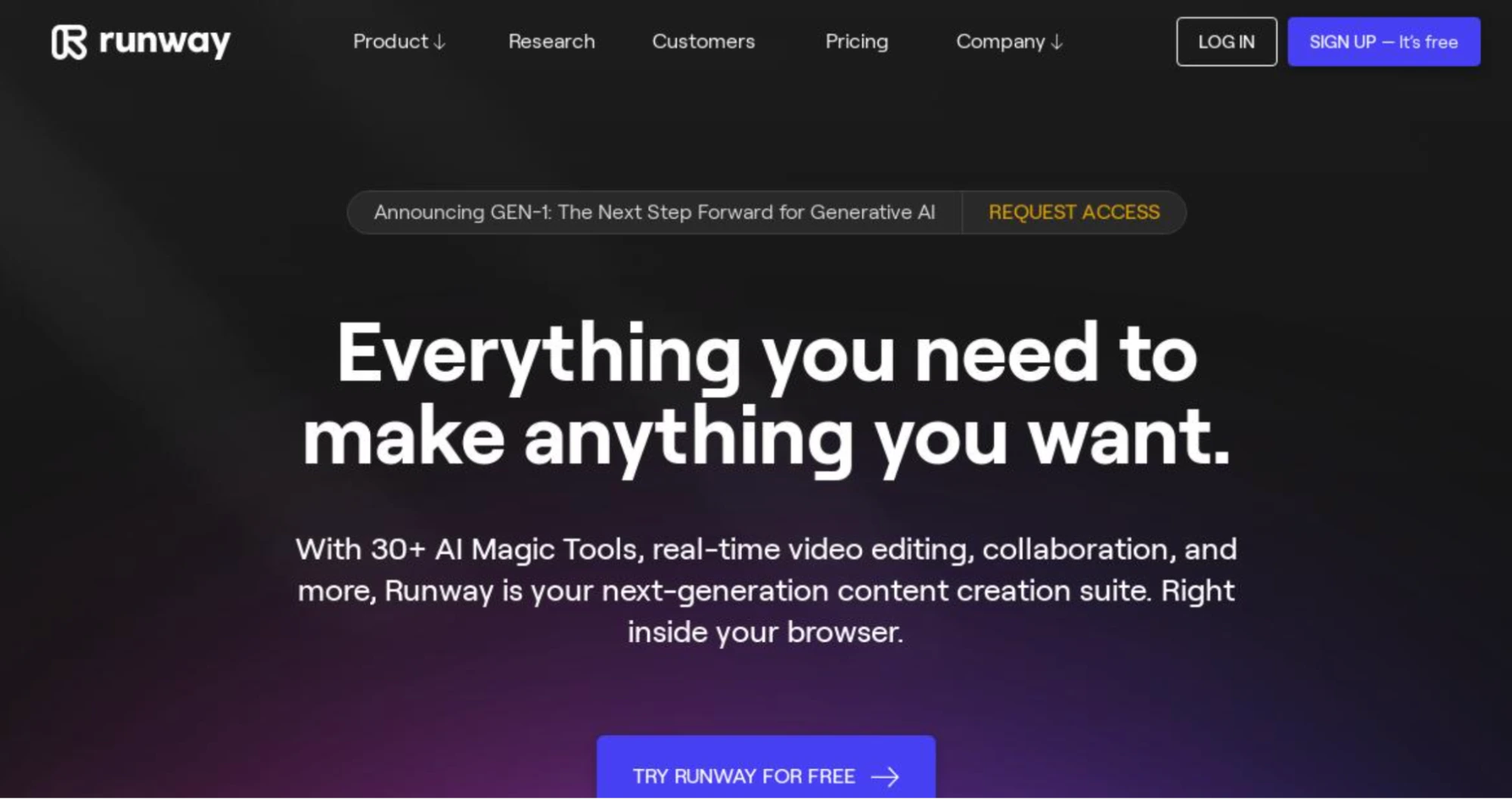
Runway is an AI video creation and editing platform that helps creators generate, modify, and experiment with video content. It is widely used by creative teams looking to explore new visual styles and develop unique marketing assets.
For video advertising, Runway can help brands create eye-catching campaign visuals that stand out in competitive digital spaces. Marketers can use it to experiment with different environments, storytelling styles, and cinematic concepts before finalizing an ad direction.
The platform is particularly useful for brands that want to create visually distinctive advertisements without requiring traditional production setups for every campaign. For example, a fashion brand can explore different creative environments, while a technology company can create futuristic visuals around its product.
Runway also supports AI-powered visual effects and editing capabilities that can improve the final look of an advertisement. Brands can enhance backgrounds, create transitions, and develop more dynamic scenes to make ads more engaging.
However, for product-heavy advertisements, teams may need additional reference control to ensure the product remains identical across multiple AI-generated scenes.
3. Creatify
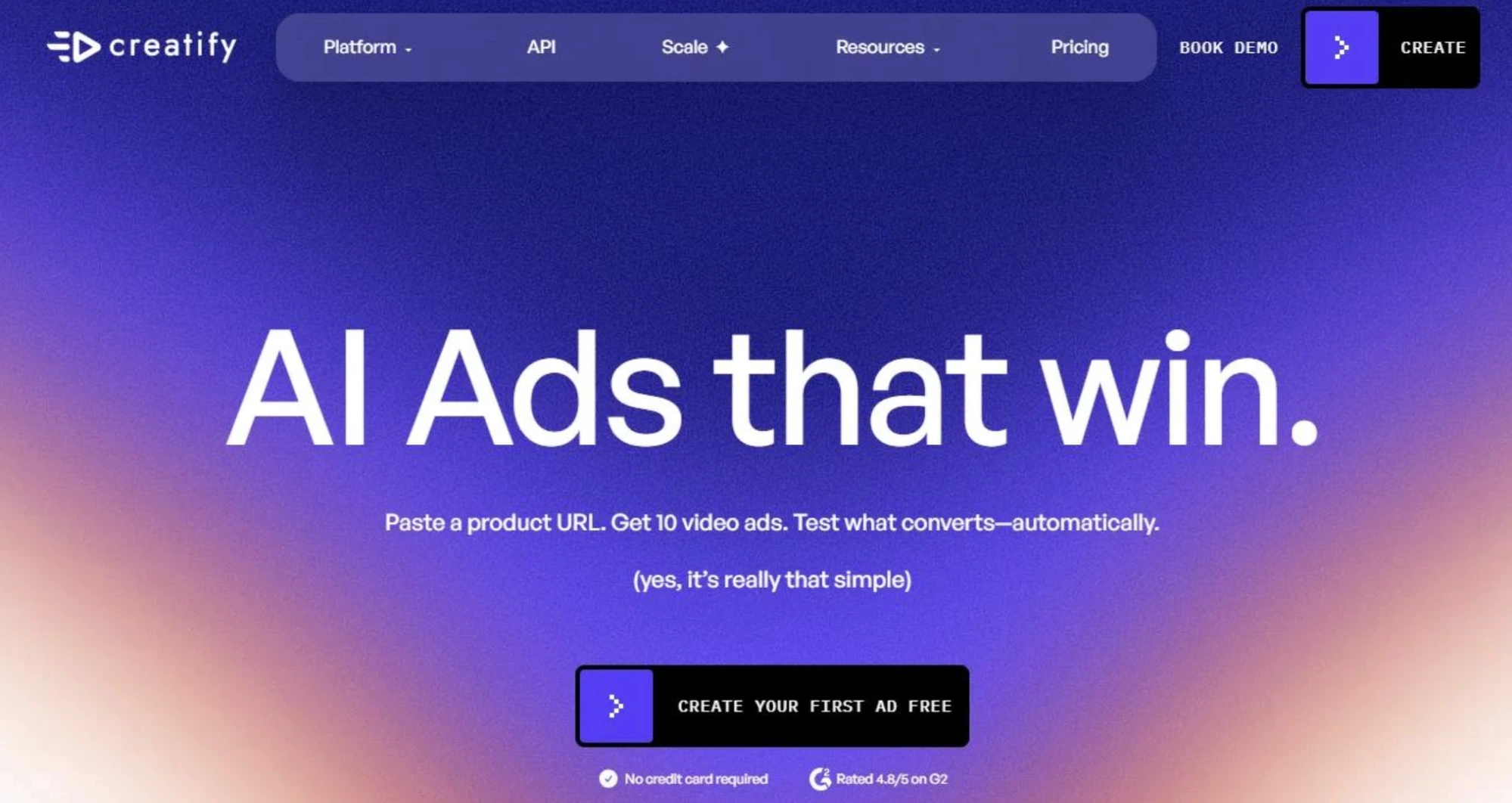
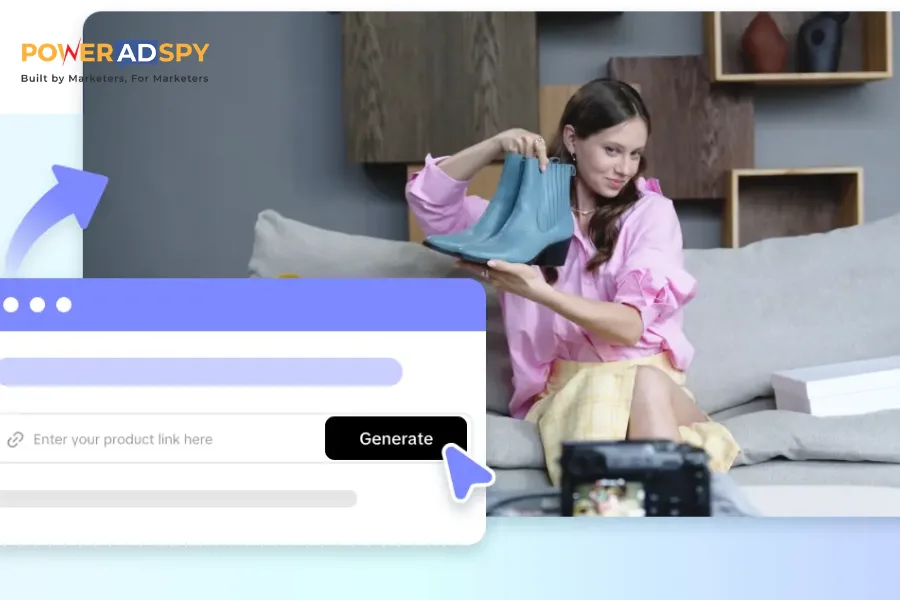
Creatify is an AI video advertising platform focused on helping brands turn product information into marketing videos. It is designed around ecommerce and performance marketing workflows where businesses need to create ads quickly.
For brands running paid campaigns, Creatify can help transform product images, descriptions, and details into video advertisements suitable for different platforms. This makes it useful for ecommerce companies that need multiple creative variations for testing.
A brand selling skincare products, for example, can create different ad versions highlighting product benefits, customer problems, or promotional offers. These variations can help marketers understand which messaging performs better.
Creatify is especially useful for teams focused on producing high volumes of direct-response advertisements. Its advertising-focused approach makes it suitable for testing creatives at scale.
However, brands looking for highly cinematic storytelling, complex narratives, or detailed visual worlds may need additional creative tools alongside it.
4. HeyGen
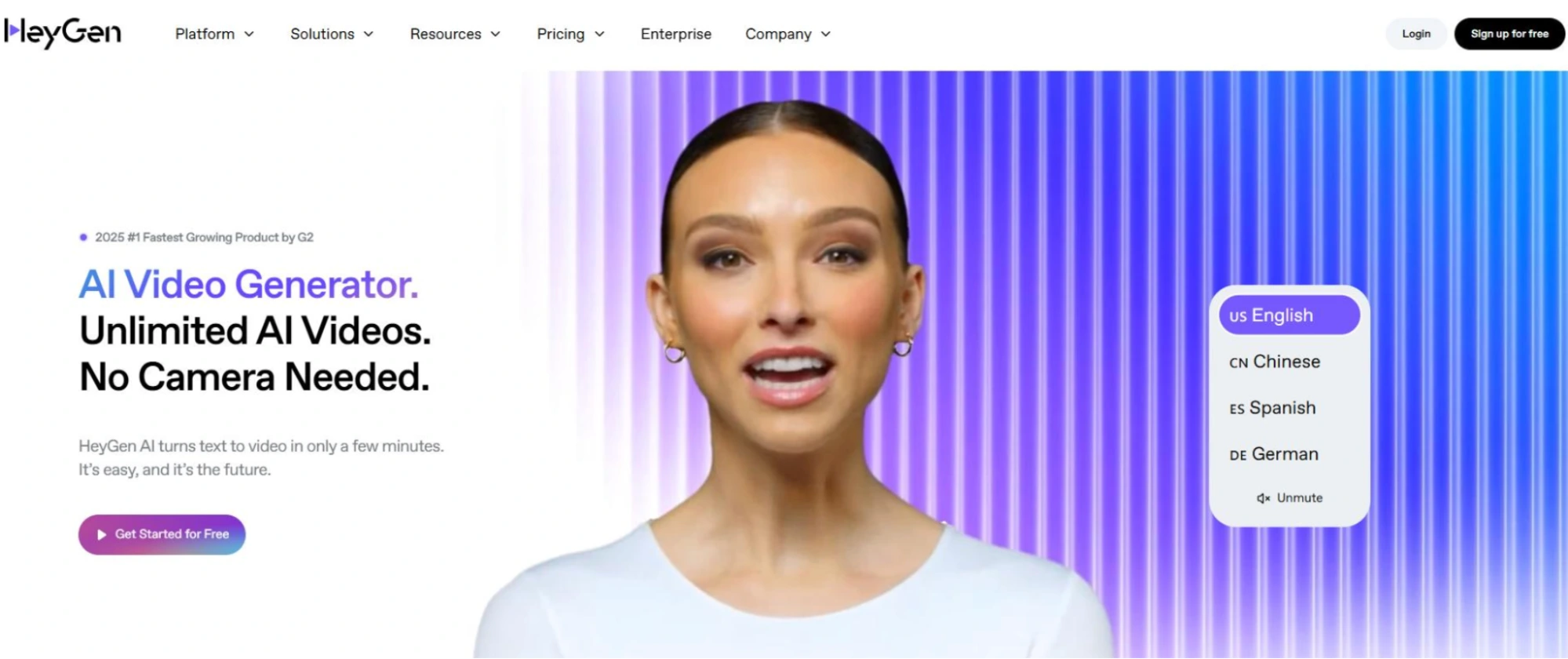
HeyGen is an AI video platform focused on creating videos with digital avatars and AI-generated presenters. It is commonly used for marketing communication, product explainers, and educational content.
For video advertisements, HeyGen helps brands create presenter-led campaigns without requiring traditional filming setups. Businesses can create videos where AI presenters explain products, demonstrate features, or communicate offers.
This can be valuable for startups and companies that need frequent advertising content across different markets. For example, a software company can create multiple versions of a product walkthrough with different languages, presenters, or messaging styles.
HeyGen is also useful for creating personalized video campaigns where brands want a human-like presentation without coordinating multiple shoots.
Its strongest use case is communication-focused advertising. Brands looking for cinematic product storytelling with complex scenes and visual effects may require additional AI video workflows.
5. Kling AI
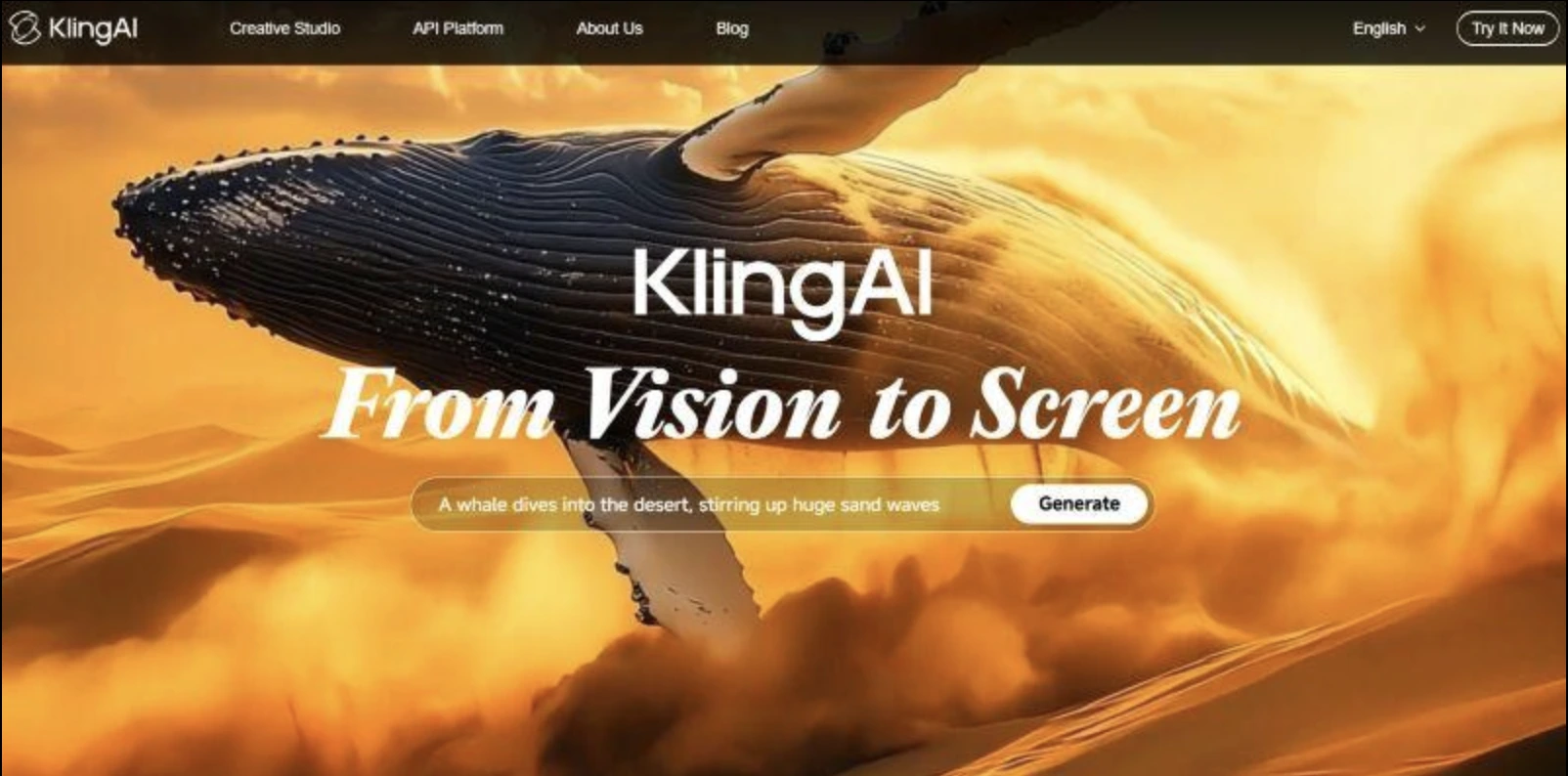
Kling AI is an AI video generation model designed to create realistic video sequences from text and image inputs. It focuses on producing detailed motion, natural movement, and cinematic visuals.
For advertising campaigns, Kling AI can help brands create visually impressive product videos that would normally require larger production budgets. It can generate lifestyle scenes, creative product presentations, and cinematic visuals that capture audience attention.
For example, a luxury brand can explore premium product shots in different environments, while a consumer product company can create engaging lifestyle advertisements without arranging multiple physical shoots.
Kling AI is especially useful when brands want advertisements with strong visual impact, camera movement, and realistic scenes.
However, maintaining exact product consistency across multiple generated shots can still require careful reference management and additional creative review.
6. Canva AI Video Tools
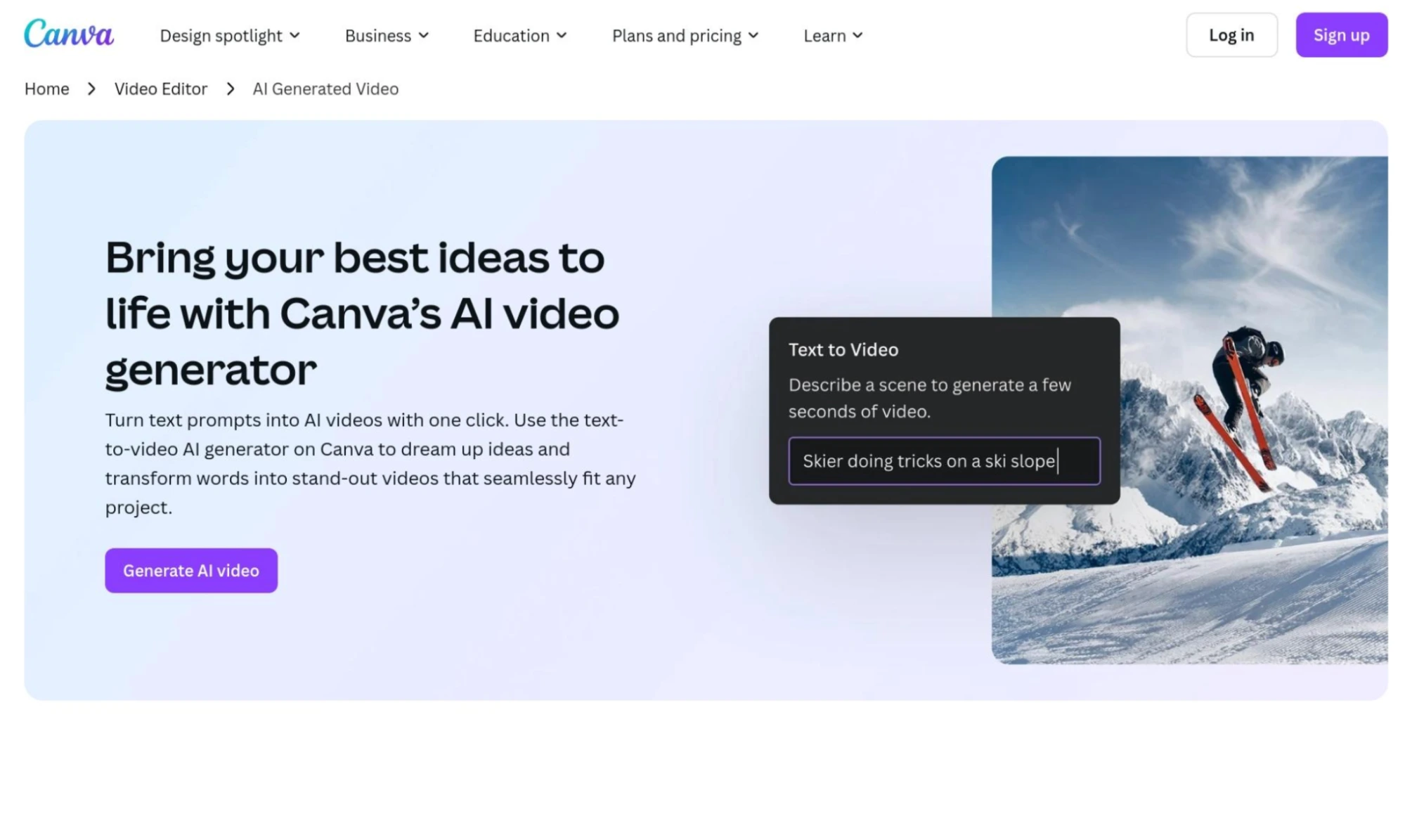
Canva’s AI-powered video features help marketers create branded videos quickly using templates, editing tools, and generative capabilities.
For small businesses and marketing teams, Canva is useful for creating social media advertisements, promotional videos, and campaign assets without needing advanced video editing skills.
A startup can use Canva to create product announcements, offer-based advertisements, and short-form content for platforms like Instagram, YouTube Shorts, and other social channels.
Its biggest advantage is accessibility. Teams can quickly adapt existing brand assets, experiment with different layouts, and create content regularly.
Canva works well for fast marketing production, especially when speed and simplicity are priorities. However, brands creating highly customized cinematic advertisements or complex product films may require more specialized AI video workflows.
Also Read –
What Makes an AI Video Ad Convert?
Creating an effective video ad requires more than generating attractive visuals. High-performing advertisements usually combine creative storytelling with a clear understanding of the audience.
The first few seconds are often critical because viewers decide quickly whether they want to continue watching. A strong opening, clear value proposition, and relevant visuals can significantly impact engagement.
AI tools help marketers explore different creative approaches, but strategy remains essential. Brands still need to understand customer motivations, product benefits, and campaign goals.
AI and Creative Testing
One of the biggest advantages of AI video tools is faster creative experimentation.
Performance marketers often test multiple versions of advertisements to discover what works best. They may change the opening hook, product demonstration, visuals, or messaging style.
AI makes it easier to create these variations without rebuilding every advertisement from the beginning.
For example, an e-commerce brand can test different product videos with different audiences and identify which creative approach generates stronger engagement or conversions.
How AI Visual Effects Improve Video Ads
Visual effects are becoming an important part of modern advertising because they help brands create more memorable experiences.
AI-powered visual effects allow marketers to improve product presentations, enhance environments, create cinematic transitions, and add creative elements without requiring complex post-production processes.
For example, a product advertisement can use AI effects to transform backgrounds, highlight product features, or create more engaging visual moments that capture attention.
These capabilities help brands produce polished advertisements while keeping production workflows flexible.
Choosing the Right AI Tool for Video Advertising
The right AI video tool depends on the type of advertisement a brand wants to create.
Some tools are better suited for quick social media content, while others are designed for cinematic campaigns, product demonstrations, or complete advertising workflows.
Brands should consider factors such as:
- Creative testing requirements
- Product consistency needs
- Platform formats
- Editing flexibility
- Production speed
A strong advertising workflow often combines different AI capabilities rather than relying on a single tool.
The Future of AI-Powered Video Advertising
AI is changing how brands approach video advertising by making creative production faster and more scalable.
Marketing teams can now create more variations, test ideas quickly, and produce content that matches different audiences and platforms.
The biggest opportunity is not simply producing more advertisements. It is creating smarter campaigns where data, creativity, and AI-assisted production work together.
Final Thoughts
AI video tools are helping brands rethink how they create advertisements. From generating creative concepts and improving visuals to supporting complete video workflows, these technologies are making professional-quality advertising more accessible.
For startups, ecommerce companies, and marketing teams, the ability to create consistent and engaging video ads can become a major advantage.
The brands that succeed will be those that use AI not only to create more content but also to create more relevant, effective, and memorable advertising experiences.