

This small business owner guide shows you, step by step, how to spy across multiple ad platforms so you can model what already works and stop wasting budget. In a few minutes, you’ll see exactly how to turn competitor insights into faster launches, fewer failed tests, and more confident creative.
If you’ve never used ad libraries or competitor-monitoring tools before, think of “ad spying” as structured market research. You’re collecting public examples of ads that your audience already sees, then extracting the repeatable patterns behind hooks, offers, and creatives. The goal is not to copy; it’s to de-risk your own testing roadmap by starting from structures the market has validated. This small business owner guide will help you do that without guesswork.
Start your free trial today → Use that method, but feed it stronger ideas from cross-platform insights.
Ethics and Legality: Stay on the Right Side
Before you begin, ground your work in clear guardrails. Ethical ad research focuses on public, consumer-visible material and translates it into original executions for your brand. Staying legal and compliant protects you from takedowns, wasted spend, and reputation damage, and it keeps your team aligned on what’s allowable.
In practice, that means you should stick strictly to public data sources that surface ads consumers can already see. Treat winning creatives as structural inspiration only: keep the underlying framework (hook, proof, CTA, offer logic) while writing new copy and producing original visuals with your own evidence and brand voice. Never duplicate proprietary claims, unique proof points that you cannot substantiate, or creative assets you do not own.
Finally, respect each platform’s policies and local regulations, using a common baseline such as Google’s official ad content policies to sanity-check risky phrasing: https://developers.google.com/google-ads/api/docs/policy.
Compliance Quick-Start for a Small Business Owner Guide
Create a one-page internal guideline that explains exactly what you’ll collect (only public ads), how you’ll attribute sources, and which practices are off-limits such as copying creative, implying endorsements, or using unverifiable superlatives. Maintain an approvals log that notes the date, reviewer, any potentially risky phrases or claims, and links to the policy references used; this record speeds re-approvals and protects you during audits. Archive screenshots and links with timestamps so you can demonstrate the material was public at the time of research, and store them in a restricted folder with role-based access. A simple checklist and audit trail keep your experiments fast without sacrificing compliance.
Also Read!
Best Multi-Platform Ad Spy for Small Businesses in 2026
PowerAdSpy vs AdClarity for Ad Agencies: Which Is Better for Ad Engagement Tracking?
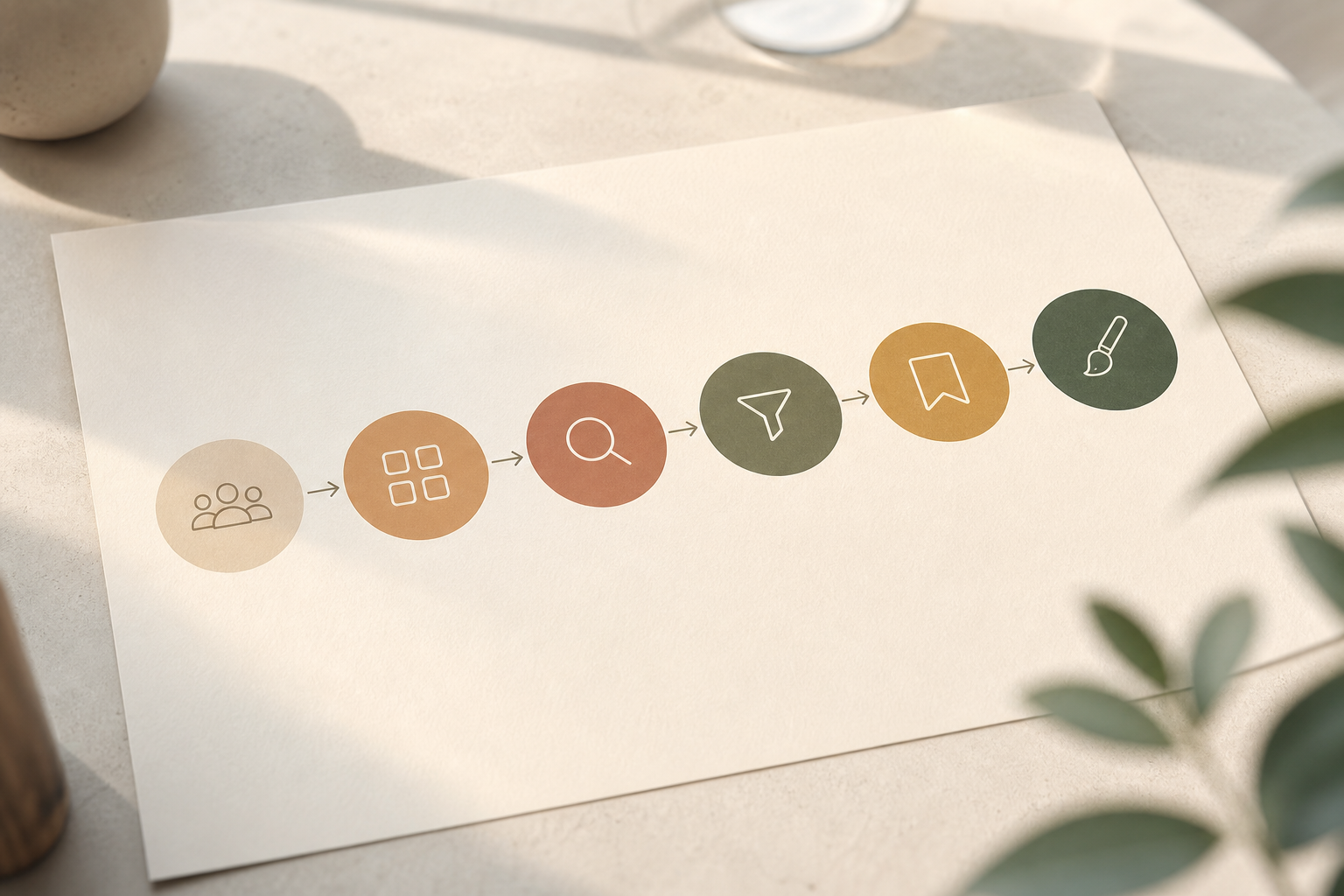
How to Run Multi-Platform Ad Research in 6 Steps (Small Business Owner Guide)
This small business owner guide keeps your first research sprint short and sharp. You’ll pick targets, scan their ads, and save only what shows clear signs of life. Stick to the steps, and you’ll have a punch list of “test-ready” ideas by Friday.
- Identify 5 competitors
- Choose three direct rivals and two aspirational brands with bigger budgets. This mix shows what wins now and where your market may head next.
- Choose platforms to monitor
- Start where you already buy traffic. Add one “next” network to widen your view, like TikTok or YouTube Shorts, if your audience skews younger or visual.
- Search by keyword/domain
- Use Keyword search, Advertiser Search, and Domain Search filters to pull ads tied to your products, problems you solve, and known rivals. Include brand and non-brand terms.
- Analyze engagement metrics
- Sort by Likes, Comments, Shares, Running Longest, and Popularity. Then visit live posts when possible to read sentiment. Favor ads still running with real comments that match your offer type.
- Save winning patterns
- Use the Bookmark feature to save ad concepts. Tag each by hook (“risk-free trial”), format (UGC vertical video), and offer (bundle, discount, or demo). Aim for 10-15 patterns to test.
- Adapt for your brand
- Keep the structure, not the script. Match the hook and format to your tone and claims. If a “before/after” video crushes for a rival, storyboard your real before/after with your proof.
Why these 6 steps work for a small business owner guide
These steps compress hours of meandering into a focused, repeatable workflow. By defining a small competitive set and clear platforms, you reduce noise and make results comparable. Sorting by engagement and run-time elevates concepts that are more likely to convert, rather than chasing flashy one-week wonders. Finally, saving patterns and adapting them to your voice turns passive inspiration into active testing cues you can launch fast.
As a bonus, the process builds muscle memory. After two or three sprints, you’ll recognize the core hooks in your niche on sight and know exactly how to tag, save, and translate them into tests. That repeatability is what frees time for creative depth without slowing launches.
“Structure beats sporadic browsing. When you treat ad spying like a sprint, you find usable ideas in days, not months.”
Pro Tips While You Research (small business owner guide)
Specifically, go deeper than surface likes. For example, a video with steady spend over 45+ days and sustained comments beats a viral spike that died in a week. Furthermore, layer in GEO-targeted information to confirm that the ad works in your core regions.
If your market is U. S. and Canada, don’t bank on a win that only performed in APAC.
Owner Checklist: Guide Your Research (Small Business Owner Guide)
A simple, consistent checklist keeps you from saving “cool” ideas that won’t translate. Track five core hooks across all networks so you can see which promises continually cut through, and compare how the same offer behaves in different placements such as feed versus story/reel. Pay close attention to video length and, especially, the first three seconds of motion or on-screen text because this is where attention is either won or lost. Keep your shortlist tight by saving 10–15 patterns at a time and shipping tests in batches of three so learnings roll up cleanly.
As you collect examples, document the intended audience and geo for each saved ad so you can match intent and context during your tests. Capture destination URLs and the primary landing page headline for each ad to map the complete conversion path, noting whether the funnel is direct to PDP, pre-lander, or quiz. Record any compliance-sensitive phrases such as guarantees, comparative claims, health or financial outcomes, or absolute superlatives so legal reviews stay fast. While you’re at it, log comment sentiment highlights (positive/neutral/negative) and common themes to anticipate objections in your creative and on landing pages.
Tag each saved ad with a consistent shorthand like Hook_Format_Offer_Geo_Date to keep your swipe file searchable and sortable. A clear taxonomy prevents duplication and makes it easy to trace winners back to their source patterns when you scale. When your file crosses a few dozen entries, add a simple index slide that lists the five most active hooks you are testing this month and why they made the cut.
“Checklists protect speed. The clearer your tags and notes, the faster you move from idea to launch without re-thinking the basics.”
To make reviews faster, keep screenshots and short notes in one shared folder. Include why you saved the ad, the suspected promise, and any objections it resolves. Over time, this becomes a swipe file that new hires can learn from in an afternoon.
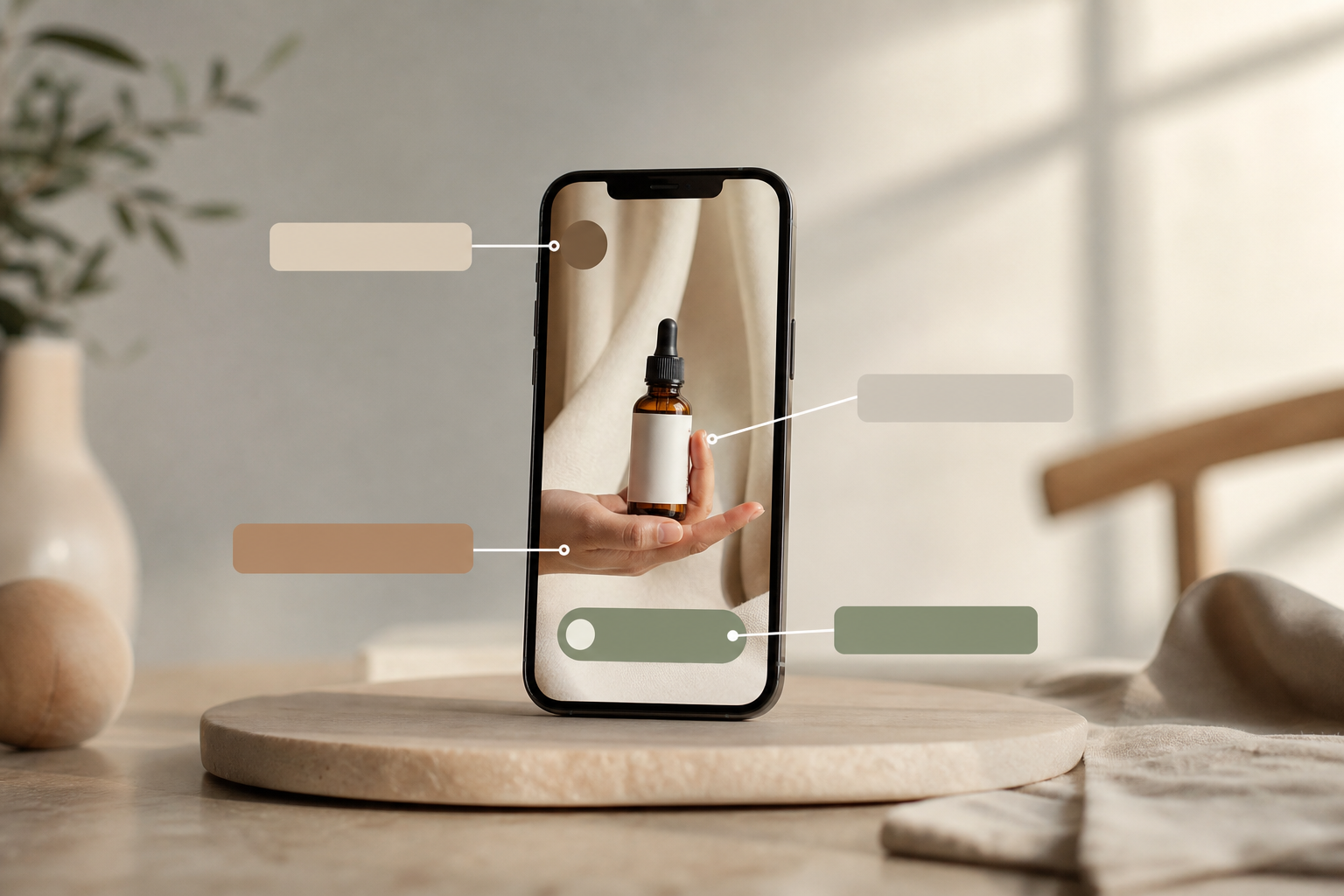
Quick Visual: Build a Lightweight Concept Board (Small Business Owner Guide)
 , labels for hook/format/offer, color-coded tags for geo and audience; simple, modern UI feel)
5 Mistakes Small Businesses Make with Ad Spy Tools (Small Business Owner Guide)
You’re busy. This small business owner guide highlights the most common errors so you skip them from day one. Each mistake has a simple fix you can run in minutes.
When small teams rush, they often default to mimicry or skim only one platform. That leads to false patterns and creative that blends in instead of breaking through. Another trap is falling in love with beautiful ads that don’t actually sell, usually because sentiment is off or the targeting context is different. The good news: each pitfall has a quick countermeasure that keeps your research honest.
- Copying ads verbatim: It risks policy flags and brand damage. Fix: Keep the hook and structure, swap in your voice, proof, and unique offer.
- Spying on one platform only: You get a narrow view and false signals. Fix: Check at least two networks where your buyers hang out, even if you spend on just one.
- Ignoring engagement data: Pretty doesn’t mean it sells. Fix: Sort by Likes, Comments, Shares, and Running Longest. Read comment tone, not just counts.
- Skipping geo and audience filters: Wins in one region may flop in yours. Fix: Search ads by age group, gender, and country for tailored targeting.
- Not tracking over time: One spike can trick you. Fix: Revisit ads weekly. Favor concepts that run long and keep steady traction.
- Overfitting to competitors: You can lose what makes you unique. Fix: Borrow proven frames (e. g., “before/after” or “demo-first”), but keep your distinct proof, social voice, and benefits hierarchy.
- Forgetting the landing page: Great ad, weak lander equals wasted spend. Fix: Save destination URLs and note headline/offer alignment so your tests replicate the full path.
Go Beyond Surface Signals (small business owner guide)
Moreover, drill into placements and parts of the ad that drive results. For example, filter by Ad Positions to segment ads that ran in feed, story, or side column. Sometimes, the same concept dies in feed but crushes as a vertical story or reel.
Furthermore, don’t stop at titles and thumbnails. Use an ad component search to find ads that include specific text, brands, celebrities, or objects that may cue your audience. If a rival’s hook uses “30-day risk-free,” your rewrite might be “Try it 30 days. Love it or leave it.” Same frame, fresh words.
For policy peace of mind across networks, review ad content rules. The official Google Ads policy docs are a good baseline for claims and restricted topics: https://developers.google.com/google-ads/api/docs/policy.
“We cut back on testing time and launched campaigns that get results.” — Charlotte Neilson, Digital Marketing Strategist
Also Read!
Ad Agency Guide to Tracking Ad Engagement Across Platforms
PowerAdSpy vs Dropispy for Dropshippers: Which Is Better for Shopify Ad Spying?
Multi-Platform Ad Spy Tools Worth Evaluating (Small Business Owner Guide)
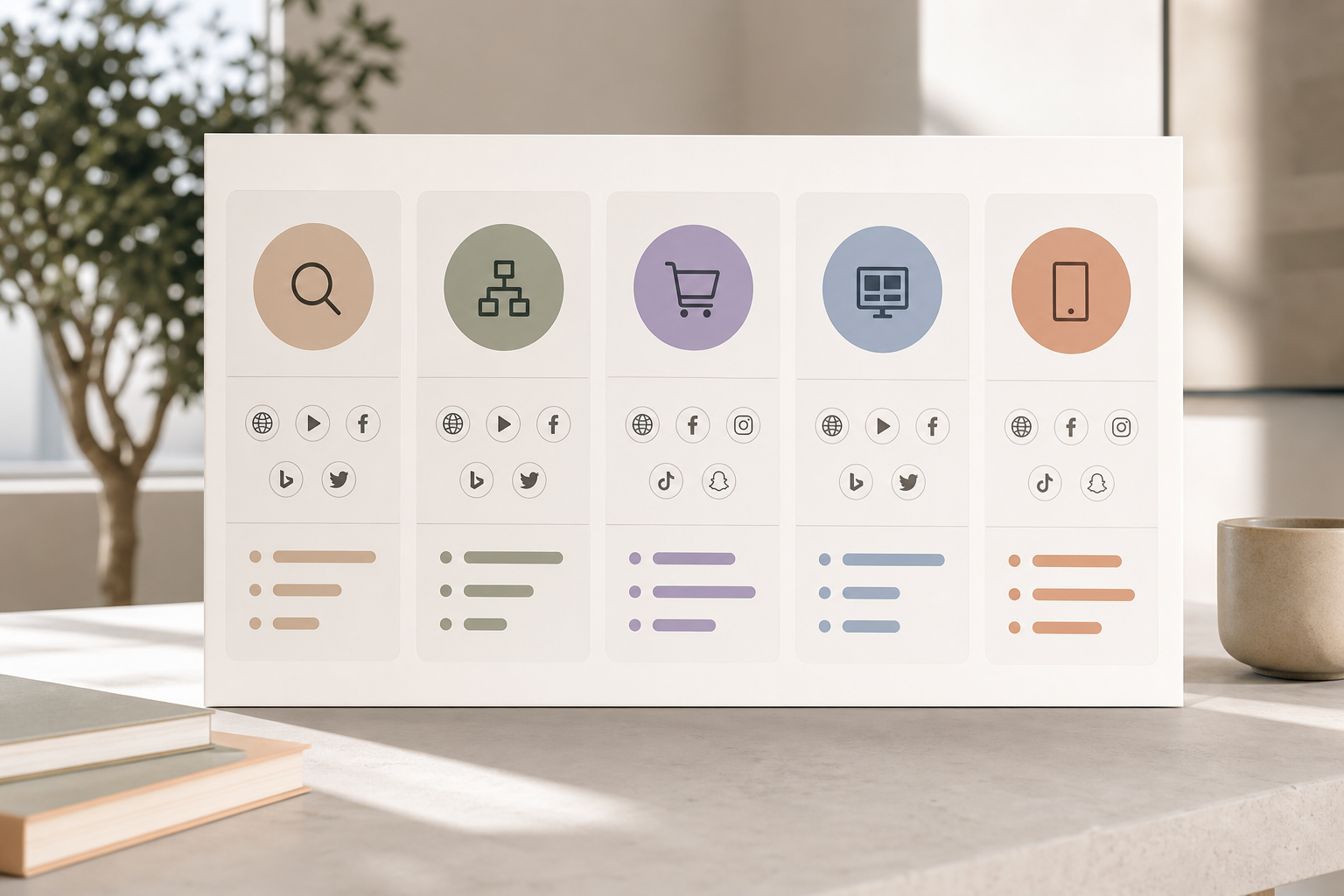
To stay neutral, this small business owner guide compares categories, not hype. Your best pick depends on where you advertise, what you sell, and how deep you need to go. Budget, data freshness, and network coverage are the biggest variables to weigh, and most teams benefit from pairing one broad multi-platform tool with a specialist in their heaviest channel.
- Tools like PowerAdSpy cover broad multi-platform research across Facebook, Instagram, TikTok, Google, YouTube, Reddit, Pinterest, and more. Data includes millions of ads from over 100 countries, so you can spot cross-channel patterns, not one-off wins. The Basic plan starts at $29/month billed annually, with higher tiers for deeper analytics. If you want AI-powered sorting, GEO details, and bookmarks under one roof, this category is strong.
- SpyFu is a solid pick for search ads and keyword intelligence. If Google and Bing search ads are your main spend, you’ll like the depth on keywords, competitor domains, and historical trends. Pair it with a social-focused tool to round out the picture.
- Minea is popular with ecommerce teams hunting product creatives and UGC on social networks. If you sell on Shopify or run heavy social drops, this tool class helps you spot hot product angles and creative cues fast.
- Broad “ad libraries,” such as the Facebook Ad Library, are useful as free baselines. You won’t get advanced filters or cross-network views, but you can still see live concepts and gather ideas before you pay for a tool.
- Native/display specialists (e. g., Adplexity, Adbeat) focus on native and display networks. If you buy Taboola/Outbrain or run wider display buys, look here for lander chains, placements, and publisher mix.
How to Choose the Right Tool for Your Workflow (Small Business Owner Guide)
Moreover, think about how you’ll work each week. If you need quick scans, you want fast sorting by Likes, Comments, Shares, Running Longest, and Popularity. If you plan to pitch creative concepts to a team, look for exports and bookmarks you can tag and share. And if geo matters a lot, make sure your tool shows country-level data for both ads and landers.
- Must-have filters: keyword, advertiser/domain, date range, geo, placement, media type, and CTA text
- Collaboration features: shared folders, tag systems, export to slides/CSV, and comment threads for reviews
- Data recency and breadth: frequent updates, multiple regions, and visibility into both ads and destination URLs
- Security/privacy: role-based access, audit logs, and the ability to redact stored screenshots containing personal data
After a week of trials, debrief with your team using a simple scorecard: coverage for your channels, depth of historical data, speed to first insight, and quality of exports. Two or three pilots will usually reveal a front-runner, and you can keep a low-cost secondary tool for backup data or another network’s strengths.
“We have reduced A/B testing costs and also have improved revenue!” — Archie Gilbert, Co‑Founder
Budgeting Tips for Tools (small business owner guide)
Start lean with a pragmatic stack, one multi-platform tool plus one channel specialist, and reinvest only after verified wins prove the value. Negotiate annual discounts up front, and ask about data caps or throttling so your access doesn’t choke during launch weeks. Track “saves” such as hours avoided, tests accelerated, or measurable CPL/CPA improvements tied to tool-led insights to justify renewals.
As you grow, reassess quarterly whether additional coverage (e. , native/display or ecommerce-focused tools) will truly add insight rather than overlap. The goal is to keep software spend light enough that most of your budget fuels real learning through media.
Also Read!
How to Search Competitor Ads by Keyword and Domain as a Dropshipper
Your First 5‑Day Sprint (Small Business Owner Guide)
Book a free demo → to see how to structure your week, tag by format (UGC, carousel, 15s video), and categorize your offer (bundle/discount). Keeping a tight cadence reduces context switching and turns research into shipped tests. Treat each day as a checkpoint, not a marathon, and lean on templates so you never start from a blank page.
- Day 1 — Pick targets: List 3 direct competitors and 2 aspirational brands. Note their primary channels, offers, and any standout hooks.
- Day 2 — Collect ads: Run keyword, advertiser, and domain searches. Save 20–30 promising ads, then shortlist to 10–15 based on engagement and “Running Longest.
- Day 3 — Pattern hunt: Group saved ads by hook (e. g., “risk-free trial,” “before/after”), format (UGC vertical, carousel, landscape), and offer (discount, bundle, demo).
- Day 4 — Map tests: Choose one audience, one geo, one placement. Define format (UGC, carousel, 15s video), and offer (bundle/discount). Outline 3 test-ready concepts.
- Day 5 — Draft one ad: Adapt your top pattern to your brand. Write two headline options and one CTA. Ship a small test.
As you work, remember that 26% of users save at least a full day on prep with a tight system. Keep the loop simple: research, save, adapt, launch, review. By next week, you’ll have proof that smarter inputs beat bigger budgets. For consistency, schedule a 30-minute Friday retro to log what worked, what didn’t, and which patterns to scale or retire.

Get started instantly today →. Use your small business owner guide process to build original creative that keeps the winning structure but speaks in your voice, not someone else’s exact words or footage. A repeatable workflow plus ethical guardrails is the fastest track to durable results.
Templates You Can Copy Into Your Sprint (small business owner guide)
- Pattern card: Hook | Format | Offer | Proof | CTA | Placement | Geo | Link
- Test brief: Objective | Hypothesis | Metric to beat | Budget | Duration | Variations
- Retro note: Winner/loser | Suspected driver | Next action (scale/iterate/retire)
Frequently Asked Questions (Small Business Owner Guide)
Can I automate any parts of this small business owner guide workflow?
Yes. Block 20 minutes every morning to run saved searches and auto-export results to a shared folder. Use a naming macro or script to append Hook_Format_Offer_Date. Some tools let you subscribe to advertiser alerts so you never miss a new creative drop.
- Automation keeps inputs fresh without bloating your calendar.
“Once we turned our research into a weekly ritual, we stopped guessing. The small business owner guide approach made testing calm and predictable.”
What’s a realistic timeline from research to first winner?
In most small teams, 5–10 business days. Week 1: collect and tag patterns, draft three concepts. Week 2: launch and read early signals, then iterate on the top performer. By day 10, you should know which pattern to scale or refine.
- Keep budgets modest at first; widen only after directional wins emerge.
How do I keep my brand voice while using competitor structures?
Write the hook in your tone (playful, authoritative, empathetic), swap in your proof (review snippets, awards, in-product metrics), and keep copy dense with brand-specific nouns and verbs. Replace any rival-exclusive claims with qualities you can substantiate.
- Use a “voice checklist” with banned phrases and signature words to stay on-brand.
Can I use ad spying to improve email or SMS performance?
Yes. Winning hooks and offers from ads often port to lifecycle channels. Test the same promise in subject lines or SMS openers, and align landing page headlines. Spy-tool findings become your cross-channel theme library.
- Save 3–5 ad-to-email examples and note which proof elements carry over best.
What are good next steps after this small business owner guide?
Run the 5‑day sprint, pick a primary tool plus a specialist, and schedule your weekly 30‑minute retro. Set a 60‑day milestone to evaluate tool ROI and pattern-level performance across at least two placements. Keep refining your swipe file with the tagging system outlined above.
- Small steps, tight loops, and consistent labels beat sporadic deep dives.