
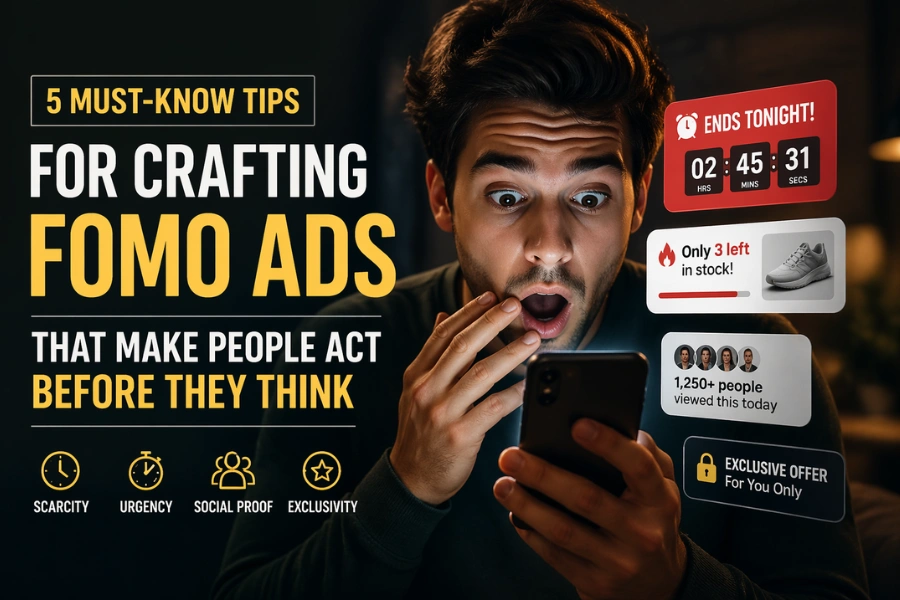
FOMO ads have a way of stopping you mid-scroll when nothing else does. You’re casually browsing, barely noticing anything, and then a line hits you: “Only 3 left. Sale ends tonight.” Suddenly, it feels urgent.
You weren’t planning to buy. Yet here you are, clicking.
That reaction isn’t accidental. It’s carefully designed. The strongest emotional trigger ads don’t rely on logic first. They spark a feeling, then let the brain justify the decision afterward.
If your campaigns are being ignored, the issue usually isn’t the product. It’s the lack of urgency, tension, or social momentum. The tips below show how advertising FOMO ads actually work in real campaigns, not just in theory.
Read Aloud!
What Are FOMO Ads?
FOMO ads are built around the fear of missing out. They use urgency, scarcity, exclusivity, and social proof to encourage quick decisions.
Instead of focusing on what someone gains, they highlight what could be lost by waiting. That shift is powerful. People react faster when something might disappear than when something is simply available.
That’s why ads using FOMO consistently outperform standard messaging when done right.
The Brain Science Behind Why FOMO Ads Work (And Why Logic Alone Never Will)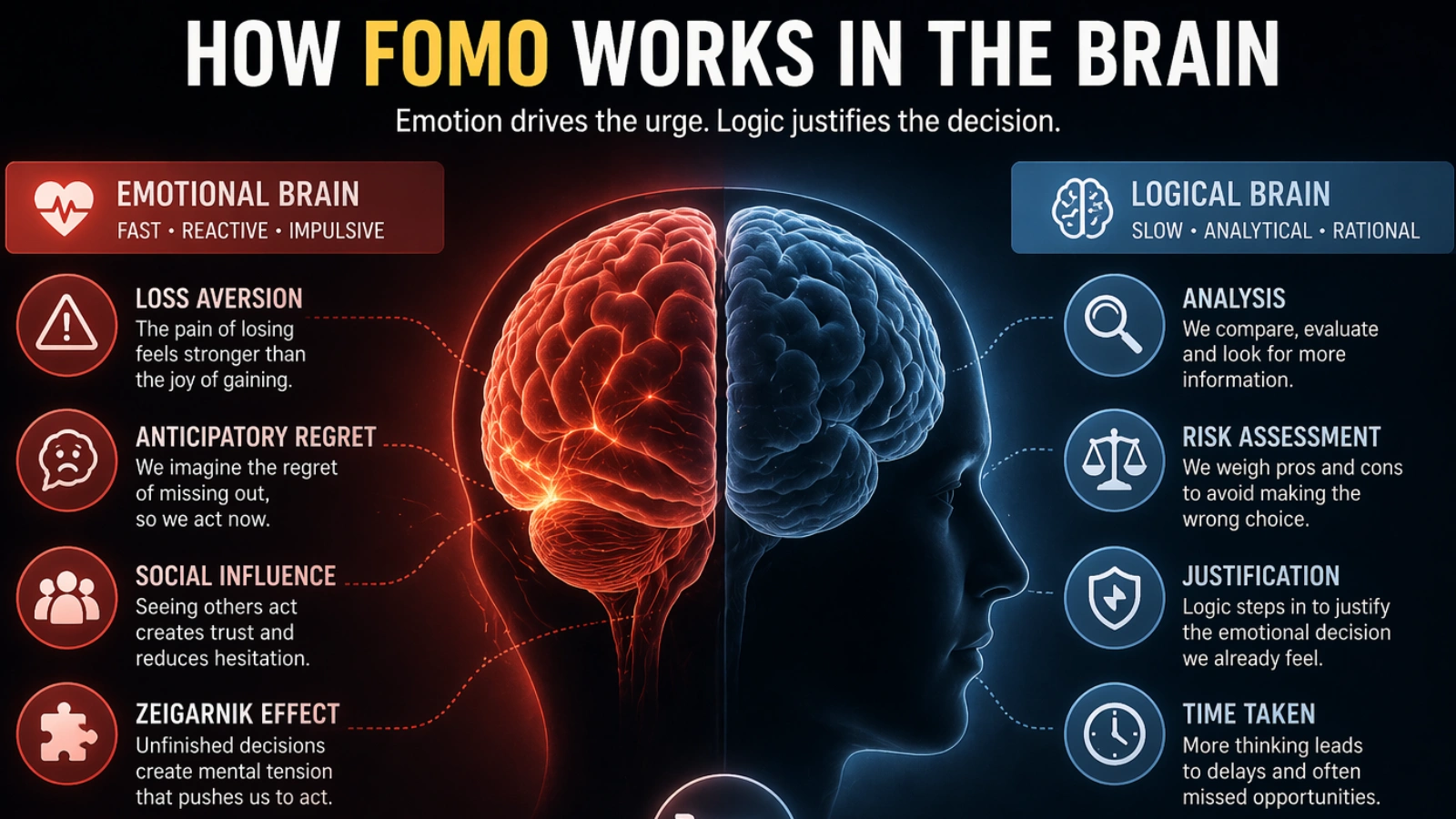
Most people believe they make logical buying decisions. In reality, emotion leads and logic follows.
Loss aversion plays a big role here. Losing something feels far worse than gaining something feels good. When FOMO ads or creative ads suggest something might run out, attention rises instantly.
Then comes anticipatory regret. The brain imagines a future where you didn’t act. That imagined regret pushes you to act now instead of later.
Social influence strengthens the effect. When people see others buying or engaging, hesitation drops. It feels safer to follow the crowd than to wait.
There’s also the Zeigarnik Effect. When a decision feels incomplete, it creates mental tension. Clicking a CTA resolves that tension quickly.
Put it all together, and you get a simple truth. FOMO ads work because they make waiting feel uncomfortable.
Tip #1: Make Scarcity Feel Real, Not Manufactured
Scarcity is one of the most common tactics in advertising FOMO ads. It’s also one of the most misused.
Generic lines like “limited stock available” rarely work anymore. People have seen them too often without proof.
Specific numbers make a difference. “Only 4 left in stock” feels tangible. The brain can picture it, which makes the urgency feel real.
Strong brands rely on actual data. Retailers show size-specific stock levels. Booking platforms display remaining rooms. These details build trust because they reflect reality.
How to Write Scarcity Copy That Feels True
Start with real information. If the stock is low, show it clearly.
Adjust the wording based on your offer:
- Physical products: number of items left
- Services or events: available slots
- Digital offers: limited access windows
One mistake to avoid is repeating the same number endlessly. If “only 2 left” never changes, people notice. Trust drops quickly after that.
Here are a few practical FOMO ads examples:
- “Only 5 seats left for this session.”
- “Last 3 items in your size”
- “Selling fast, just 8 remaining.”
Clear numbers make the message harder to ignore.
Tip #2: Build a Countdown That Creates Tension, Not Just a Timer
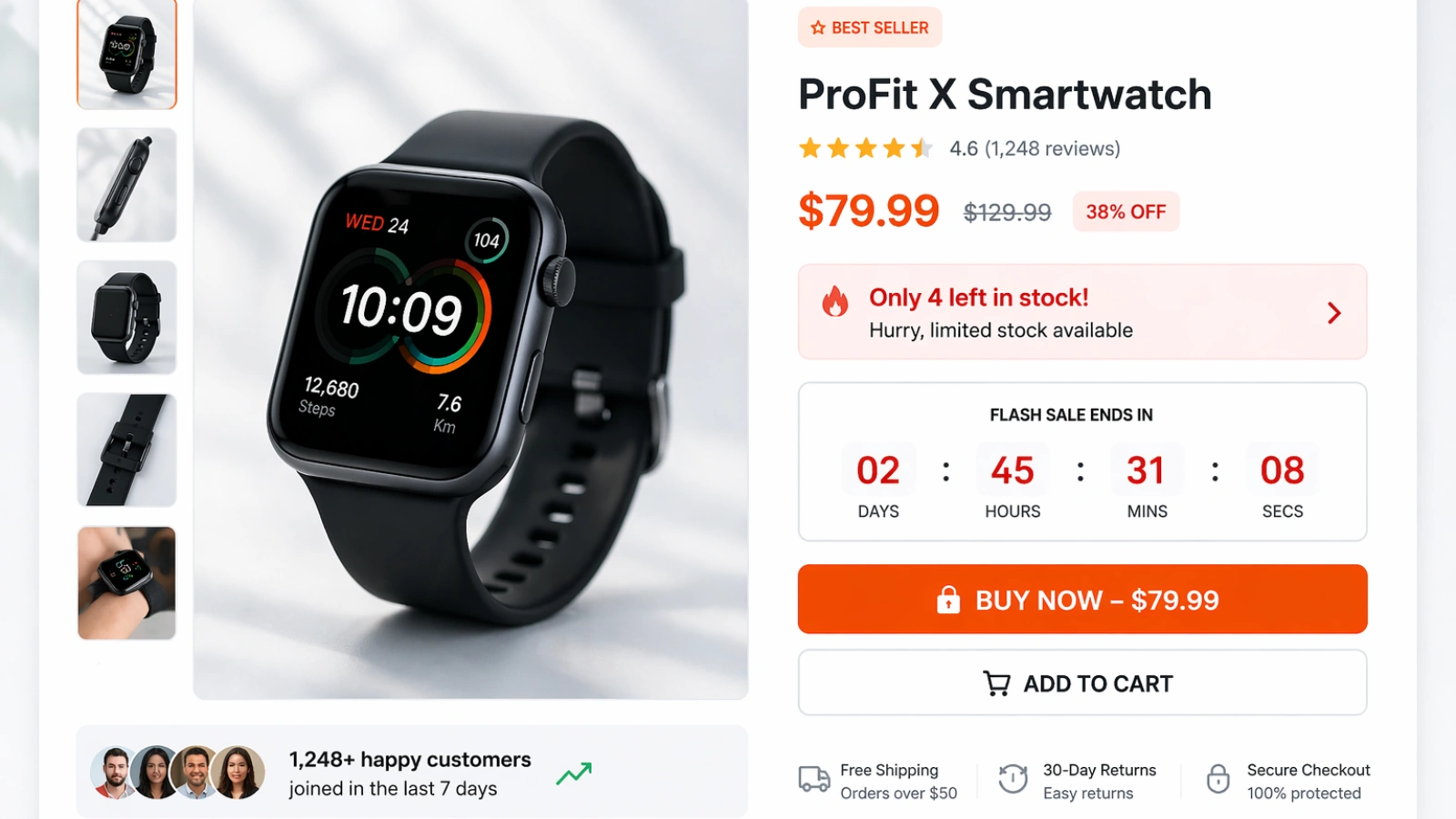
Countdown timers are easy to add, but not all of them work. Many feel fake, and users can tell.
If a timer resets every day, it loses credibility. Once trust is gone, urgency disappears with it.
The real impact comes from linking time with a clear consequence. What happens when the clock runs out?
A deadline without stakes feels optional. A deadline tied to loss feels urgent.
The Anatomy of a High-Converting Countdown Ad
Start with a clear deadline. Be specific, like “Ends Thursday at 11:59 PM.”
Then explain what changes after that moment. It could be a price increase, lost access, or a closed offer.
Finish with a direct call to action that reflects urgency.
For example:
- Headline: “Ends Tonight”
- Subtext: “Price increases to $129 after midnight.”
- CTA: “Get It Now”
Different platforms need slight adjustments. Emails benefit from sharp subject lines, while landing pages can explain the stakes in more detail.
A good countdown feels like a real event, not a repeating trick.
Tip #3: Let Other Buyers Do the Convincing
Social proof is one of the strongest forces behind ads using FOMO. It doesn’t just build trust. It creates momentum.
When people see others taking action, hesitation drops. The decision feels easier and faster.
Some types of proof work better than others. Real-time activity is especially powerful. Messages like “Someone just purchased this” make the experience feel live.
Large numbers also help. Seeing thousands of buyers signals popularity and safety.
User-generated content adds another layer. Real people using a product make the decision feel more relatable.
How to Use Social Proof in Ad Creatives
Make your numbers visible when possible:
- “Trusted by 25,000+ users.”
- “1,200 people viewed this today.”
- “Top-selling product this week.k”
In visual ads, real customer clips often perform better than polished brand visuals. They feel more authentic and easier to trust.
One rule matters here. Always use real data. Fake signals are easier to spot than ever, and they damage credibility fast.
Tip #4: Make Exclusivity Feel Like a Privilege
Not every FOMO strategy needs to feel intense. Sometimes, the strongest pull comes from feeling included.
Exclusivity changes the tone. Instead of pressure, it creates desire.
Rather than saying “don’t miss out,” the message becomes “you’re invited.” That shift works especially well for premium brands.
Early access campaigns are a great example. Limited releases or invite-only offers create demand without aggressive urgency.
Exclusive Access Tactics That Work
Position access as something valuable:
- Early-bird pricing with a fixed deadline
- “Founding member” offers for new launches
- Invite-only waitlists
- Loyalty-based rewards for returning users
Language matters here. “Before access closes” feels more refined than “before it’s gone.”
Exclusivity taps into status and belonging. People want the experience as much as the product itself.
Tip #5: Match FOMO to the Funnel Stage
Many advertising FOMO ads fail because they apply the same intensity everywhere.
Urgency needs to match where the customer is in their journey.
At the awareness stage, people are just exploring. Heavy pressure feels out of place. Light social proof works better here.
In the consideration stage, people compare options. Adding moderate urgency alongside reviews helps guide decisions.
At the decision stage, hesitation becomes a barrier. Strong scarcity and deadlines help push action.
Retargeting is where regret comes in. Reminding users about what they almost bought can be very effective.
A Simple FOMO Intensity Framework
| Funnel Stage | FOMO Type | Copy Tone | Primary Trigger |
| Awareness | Aspiration FOMO | Light and inviting | Social proof/trends |
| Consideration | Comparison FOMO | Balanced urgency | Reviews/exclusivity |
| Decision | Loss FOMO | Direct and urgent | Scarcity/countdown |
| Retargeting | Regret FOMO | Personal urgency | Abandoned intent |
Take a moment to review your ads. Are you using the right level of urgency at the right time?
How PowerAdSpy Helps You Create Smarter FOMO Ads
Most marketers build FOMO ads from scratch. They guess what might work, then test it with a budget.
A better approach is to study what’s already working.
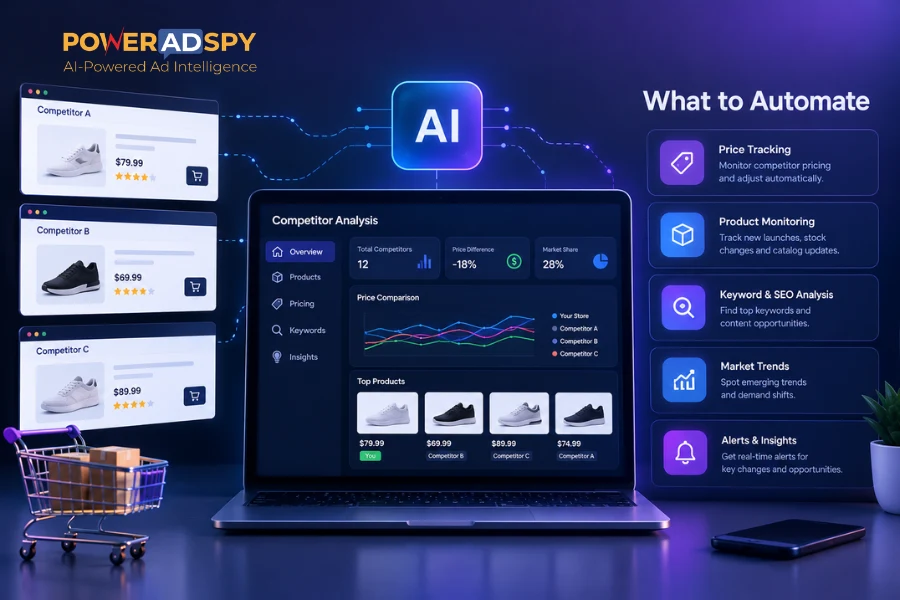
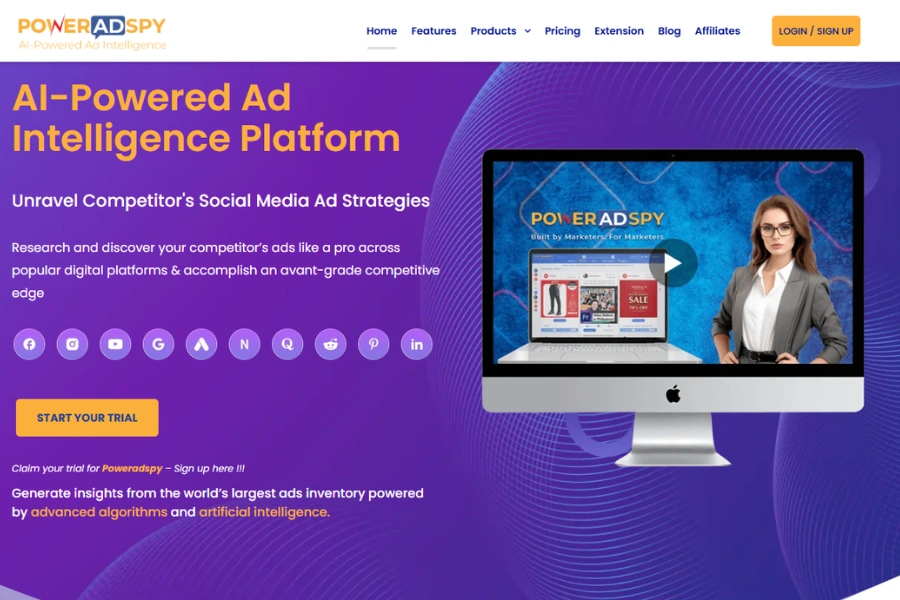
Tools like PowerAdSpy let you analyze live campaigns across platforms. You can see which ads using FOMO are currently running and performing.
Search for phrases like “only X left” or “ends tonight” to find active examples. This gives you a clear view of current trends.
You can also filter by engagement to identify high-performing creatives. Ads that run longer often indicate consistent results.
Looking at both ad copy and landing pages reveals the full strategy. You see how urgency is built from the first click to the final conversion.
Instead of guessing, you learn from what already works.
Read More!
What Causes Ad Fatigue & How to Fix It Quickly?
Creative Ads: The Ultimate Guide to Making Ads That Actually Stop The Scroll
The Mistakes That Turn FOMO Into a Trust Killer
FOMO ads work best when they feel genuine. When they don’t, they can quickly damage trust.
False scarcity is a major issue. If numbers never change or timers reset, users lose confidence.
Overloading ads with multiple urgency signals creates confusion. Too much pressure can reduce action instead of increasing it.
Tone matters as well. Aggressive urgency can hurt premium brands that rely on subtle positioning.
Another problem is urgency fatigue. If every message feels urgent, people start ignoring them.
Finally, the experience after the click matters. A weak landing page can undo all the effort from the ad.
The Emotion Behind Every Click
At their core, FOMO ads reflect real moments of urgency. They highlight what already exists instead of creating artificial pressure.
A product is running low. An offer ending soon. A growing group of buyers.
The ad simply brings that reality forward.
The difference between ignored ads and high-performing ones often comes down to a single feeling. The sense that waiting might cost you something.
Start with one change. Apply it where your funnel feels weakest.
The goal isn’t to rush people. It’s to help them act when the moment is right.
FAQs
Do FOMO ads work for high-ticket or B2B products?
Yes, but the strategy changes. Focus more on limited access, exclusive groups, or restricted opportunities.
Is using countdown timers ethical?
Yes, as long as the deadline is real. Misleading urgency can harm both trust and compliance.
What’s the difference between scarcity and urgency?
Scarcity refers to a limited quantity. Urgency refers to a limited time. Both encourage faster decisions, but in different ways.
How should I A/B test FOMO elements?
Test one change at a time. For example, compare two headlines with different urgency angles instead of changing everything at once.
Can FOMO ads harm a brand?
They can be overused or misleading. Short-term gains should not come at the cost of long-term trust.