
You’ve posted consistently, engaged with your audience, and maybe even gone viral once or twice. But somehow, organic reach just isn’t cutting it anymore. You’re putting in the work, and still watching your content disappear into the feed. That’s where paid social media ads come in. They can give your posts the boost they need, ensuring your content reaches a wider, targeted audience. Sound familiar?
Organic reach on most platforms has been declining for years, while the competition for attention keeps climbing. Paid advertising gives you a way to cut through that noise, directly reaching the right people at the right time, on your terms.
The beauty of paid ads on social media is that they’re no longer reserved for brands with massive budgets. A local bakery and a Fortune 500 company can both run effective campaigns. The difference is strategy. By the end of this guide, you’ll walk away with practical, tested tips that apply whether you’re launching your first campaign or trying to squeeze more performance out of existing ones.
What Are Paid Social Media Ads and How Do They Work?
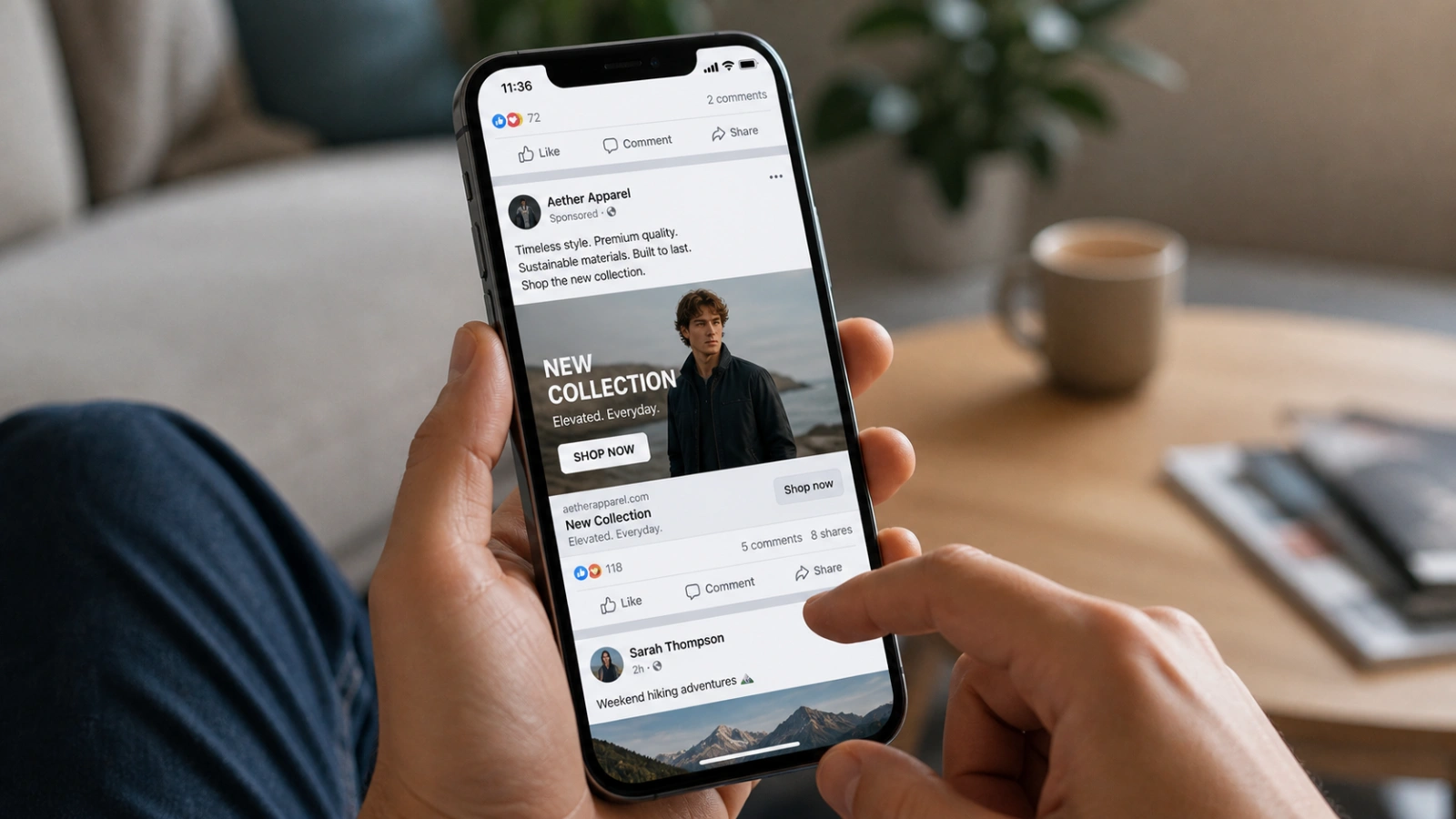
Paid social media ads are promotional content that businesses pay to display on social platforms like Facebook, Instagram, TikTok, LinkedIn, and Pinterest. Unlike organic posts, paid ads are amplified by the platform’s algorithm to reach audiences beyond your existing followers.
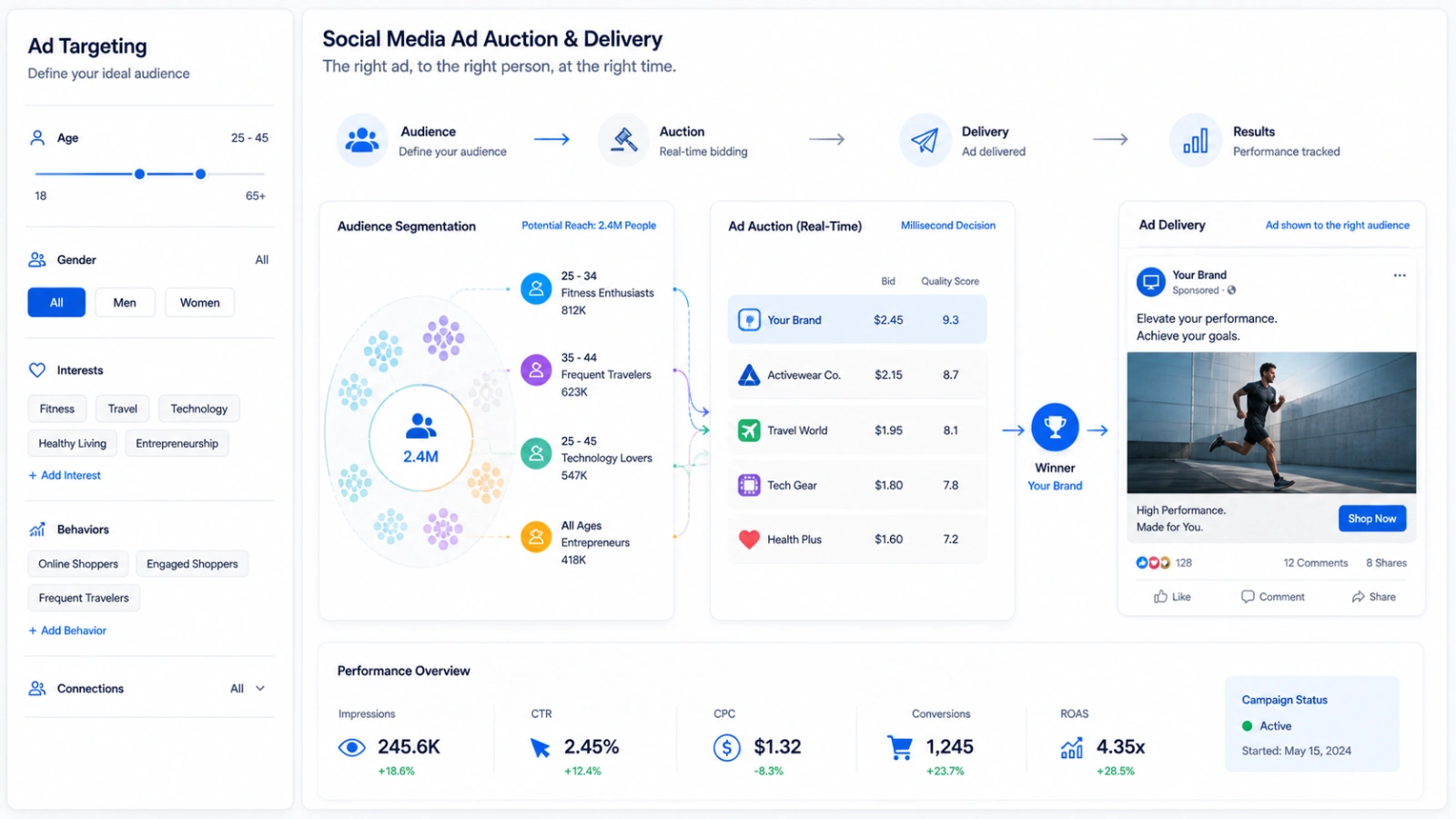
Here’s the basic mechanic: you define your target audience, set a budget, create your ad, and the platform distributes it based on your chosen objective. Whether you want more website clicks, product purchases, video views, or app downloads, the platform optimizes ad delivery to match that goal.
Most platforms operate on an auction system. You bid for ad placements, and the platform weighs your bid against your ad’s relevance score and estimated engagement rate. A highly relevant, engaging ad can win placements at a lower cost than a generic one with a high budget. That’s the core insight: quality and targeting matter just as much as spend.
10 Key Tips for Running Paid Social Media Ads Like a Pro
Tip 1: Set Clear Ad Objectives
Before launching any paid social media advertisement, define what success actually looks like. Without a clear objective, even a well-funded campaign can feel directionless and difficult to measure.
If you’re new, align your objective with your current stage. Awareness campaigns are useful when your brand is still unknown. Conversion-focused paid social media ads make more sense when you already have some traction and want to turn attention into revenue.
For more experienced marketers, vague goals won’t cut it. You need structured, measurable outcomes. A goal like “increase add-to-cart rates by 15% within 30 days using a $2,000 budget” gives your paid social media ads a clear target. It also makes it easier to evaluate performance and make adjustments.
When your objective is clear, platforms can optimize more effectively, and your decisions become far more intentional.
Tip 2: Choose the Right Platform
Not every platform is suitable for every campaign. One of the most common mistakes in social media paid ads is trying to be everywhere at once without understanding how each platform works.
Facebook and Instagram offer broad reach and flexible targeting, making them strong choices for most businesses. LinkedIn is built for professional audiences and works best for B2B campaigns. TikTok favors fast-paced, engaging content and is ideal for brands that can entertain. Pinterest performs well for visually driven industries like fashion, home decor, and lifestyle.
Beyond the audience, each platform has its own mechanics. TikTok’s algorithm prioritizes watch time and engagement. Instagram leans heavily on visual quality and short-form video. LinkedIn allows deep professional targeting.
Effective paid social media ads are not just about choosing a platform, but about adapting your message to fit how users behave on that platform.
Tip 3: Create Engaging Ad Creatives
Your creativity determines whether someone stops scrolling or ignores your ad completely. In paid social media ads, attention is the first battle.
For beginners, keep things simple. Use strong visuals, readable text, and a single clear message. Avoid overcrowding the design. Most users will see your ad on mobile, so clarity matters more than complexity.
For experienced advertisers, creatives should be treated as ongoing tests. Instead of relying on one version, run multiple variations with different hooks, formats, and messaging angles. Over time, this approach helps you identify what consistently works.
The most successful paid social media ads are rarely built on one perfect idea. They evolve through continuous testing and improvement.
Tip 4: Understand Audience Segmentation
One of the biggest advantages of paid social media ads is the ability to target specific audiences instead of broadcasting to everyone.
Start with basic demographics like age, gender, and location. These are easy to set up and give you a foundation.
As you gain experience, move into deeper targeting. Focus on behaviors, interests, and engagement patterns. For example, instead of targeting “fitness enthusiasts,” you might target users who recently purchased workout gear, follow fitness influencers, and actively engage with health-related content.
This level of detail makes your paid social media ads feel more relevant and less like interruptions, which often leads to better performance.
Tip 5: Set the Right Budget
Budgeting is where many advertisers either become too cautious or too aggressive. Paid social media ads require a balance between testing and scaling.
Start with a budget that allows you to collect useful data without risking too much. A daily spend of $20–$30 per ad set is often enough to exit the learning phase on most platforms.
When scaling, avoid large jumps. Increasing your budget gradually, typically by 20–30%, helps maintain stability. Sudden increases can reset performance and force the algorithm to relearn.
You can also explore horizontal scaling by targeting new audiences instead of just increasing spend. This often keeps your social media paid ads more stable while expanding reach.
Tip 6: Implement Proper Tracking
Running paid social media ads without tracking is like guessing your way through a process that should be data-driven.
Start by installing tracking tools such as pixels. These allow you to monitor actions like page views, add-to-carts, and purchases. This data improves targeting and helps platforms optimize your campaigns.
Beyond basics, try to understand the full customer journey. A user might click an ad, browse your site, leave, and return later through another ad before converting.
When your tracking setup captures this entire path, your social media paid ads become more efficient because decisions are based on real behavior, not assumptions.
Tip 7: Leverage Retargeting Ads
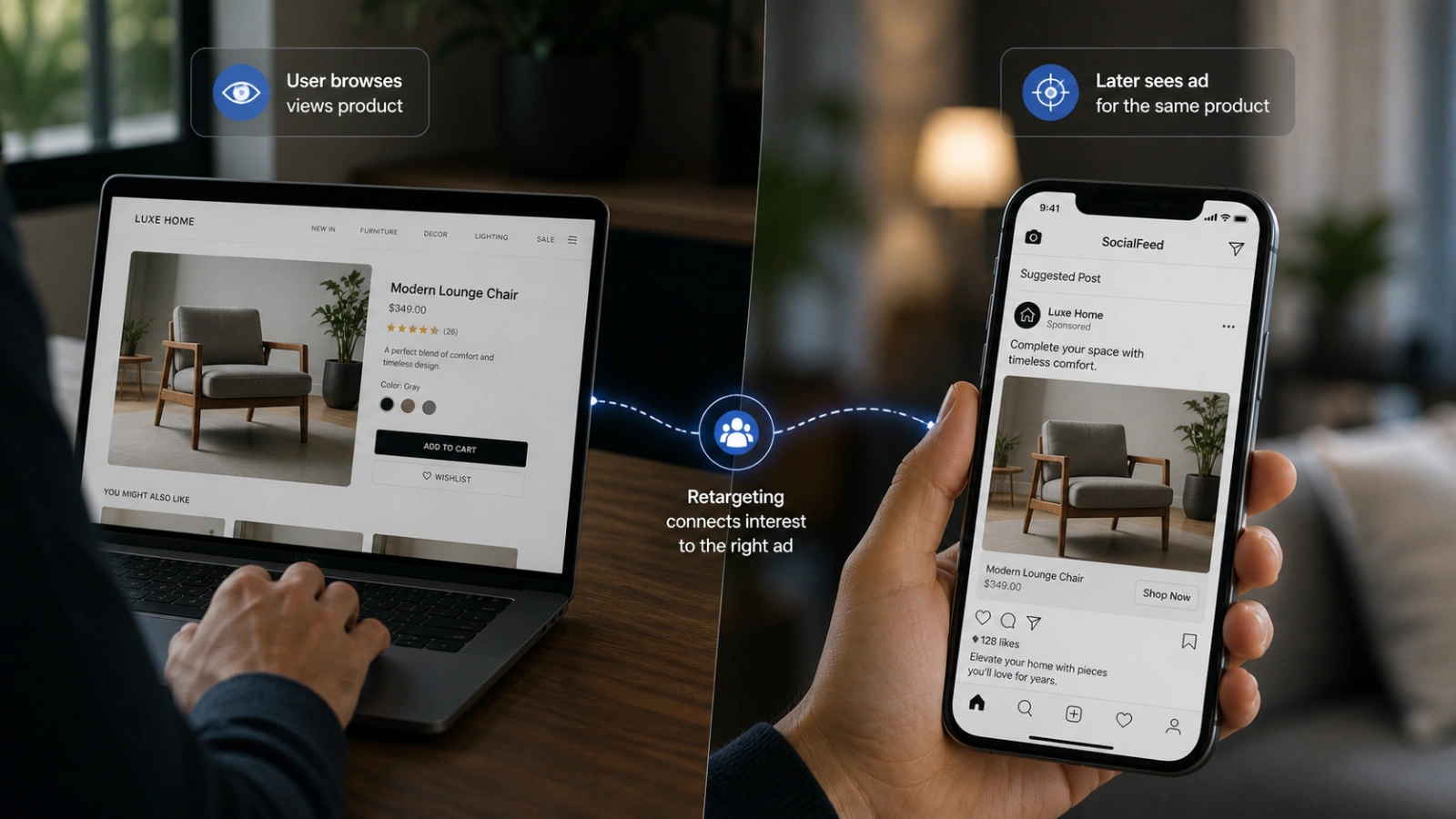
Most users won’t convert the first time they see your ad. Retargeting is what brings them back.
Paid social media ads allow you to reconnect with people who have already shown interest, such as website visitors, video viewers, or previous customers.
If you’re starting out, a simple reminder ad works well. Show users the product they viewed and give them a reason to return.
As you grow, segment your retargeting audience. Someone who abandoned a cart should see a different message than someone who only visited your homepage. This level of personalization can significantly improve results.
Some of the highest-performing social media paid ads come from well-structured retargeting strategies.
Tip 8: Analyze Key Metrics
It’s easy to get distracted by likes and impressions, but they don’t always reflect real business impact.
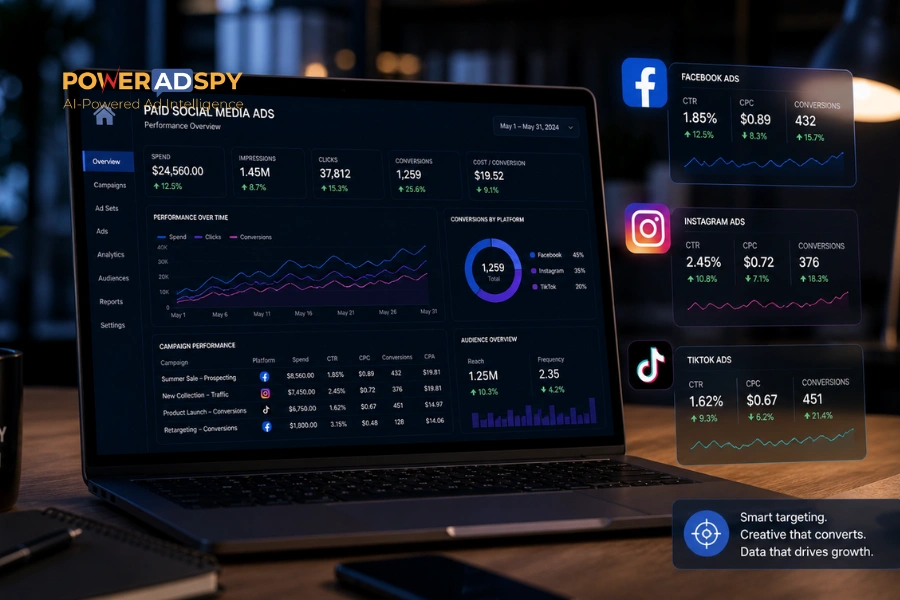
Focus on metrics that matter. Click-through rate (CTR), cost-per-click (CPC), and conversion rate show whether your paid social media ads are attracting and converting the right audience.
At a more advanced level, look at customer acquisition cost (CAC), return on ad spend (ROAS), and lifetime value (LTV). These metrics help you understand profitability, not just performance.
Strong paid social media ads are built on data that connects directly to revenue, not surface-level engagement.
Tip 9: Stay Up to Date with Platform Changes
Social platforms evolve constantly, and those changes directly impact social media paid ads.
Algorithm updates, privacy policies, and new ad formats can all influence performance. What worked a few months ago may no longer deliver the same results.
Stay informed through official updates and observe how changes affect your campaigns. Advertisers who adapt quickly tend to maintain consistent performance.
Keeping up with these shifts ensures your paid social media ads remain effective instead of falling behind.
Tip 10: Scale Your Campaigns
Scaling is where strategy becomes critical. It’s not just about increasing spend but doing it efficiently.
Wait until your paid social media ads show stable performance before scaling. Running a campaign for at least a week usually provides enough data to make informed decisions.
Use gradual budget increases and consider automation tools to manage growth. Some platforms allow you to set rules that adjust budgets based on performance, which can save time and capture opportunities.
The goal is simple: invest more in what works and stop spending on what doesn’t. That’s how social media ads turn from experiments into reliable growth channels.
PowerAdSpy: Key Features for Ad Research
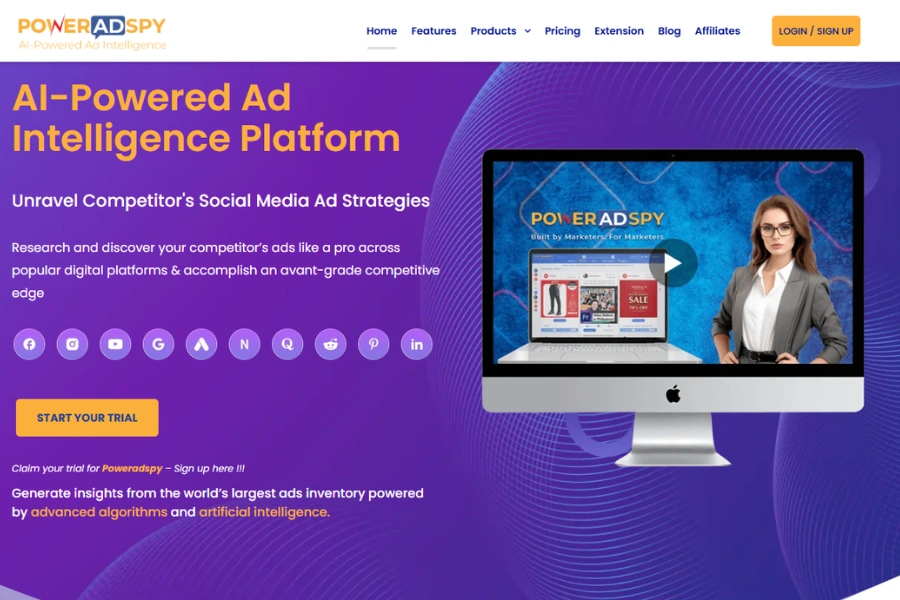
PowerAdSpy helps you analyze existing ad campaigns and find relevant examples quickly.
- Filter by ad positions
Segment ads by placements like News Feed or Side Location to compare formats. - View live ad posts
Access ads directly and check real-time engagement such as likes, shares, and comments. - Global ad database
Explore ads from 100+ countries, with new entries added regularly. - Advanced search
Find ads using keywords, advertisers, or competitor domains. - Sort by engagement
Identify ads based on performance signals like likes, shares, and comments. - Bookmark ads
Save useful ad ideas for future reference.
Also Read:
6 Facebook Ecommerce Ads Examples To Boost Your Sales
Facebook E-commerce Ads 101: Tips To Boost Sales and Conversions
Practical Ideas: Creative Examples of Successful Paid Social Media Ads
- Make ads feel like native content.
The best social media paid ads don’t look like ads at first glance. They blend into the feed and match the style of organic posts. This lowers resistance and increases engagement because users don’t feel like they’re being sold to immediately. - Use real customer video testimonials.
Short, authentic clips from real users often outperform polished brand videos. A simple 30-second recording of someone explaining how a product solved their problem builds trust quickly. In paid social media ads, relatability usually beats production quality. - Focus on specific problems and outcomes.
Strong testimonials highlight one clear pain point and one clear result. Instead of listing features, show how the product fits into real life. This makes paid social media ads more persuasive and easier to connect with. - Leverage “before and after” formats
This format works especially well for visible transformations like skincare, fitness, or home improvement. The contrast immediately grabs attention and communicates value without needing much explanation. Many high-performing paid social media ads rely on this simple visual storytelling. - Keep the transformation clear and believable.
The more realistic the result looks, the more trustworthy the ad feels. Over-edited or exaggerated visuals can hurt credibility, especially in paid social media ads where users are quick to scroll past anything that feels fake. - Use interactive formats in Stories.
Polls, quizzes, and swipe-based carousels encourage users to engage instead of just watching. For example, asking a question before presenting a solution creates a natural entry point into your funnel. Interactive paid social media ads often see higher engagement rates. - Personalize the experience through interaction.
A simple quiz like “What’s your biggest skin concern?” followed by tailored recommendations feels more relevant than a generic ad. Social media paid ads that adapt to user input tend to perform better because they feel customized. - Build a journey, not just a single ad.
Instead of showing the same message to everyone, guide users step by step. Start with awareness content, then follow up with testimonials or offers. The most effective paid social media ads work as part of a sequence, not in isolation. - Study competitor ads for proven patterns
Platforms like Meta Ad Library allow you to see active campaigns from other brands. Look for repeated formats, messaging styles, and offers. If something has been running for a long time, it’s likely working. - Adapt, don’t copy
Use competitor insights as inspiration, not a template. Take what’s working and apply it to your own brand voice and audience. The goal of social media paid ads is not to duplicate success, but to build on what’s already proven in the market.
Conclusion
Running successful paid social media ads comes down to clarity, consistency, and learning from what already works. From setting the right objectives to refining creatives and targeting, each step plays a role in improving results over time.
Tools like PowerAdSpy make that process easier by giving you direct access to real ad data, so you’re not relying on guesswork. When you combine these insights with testing and a structured approach, your paid social media ads become more predictable, scalable, and effective.
FAQs
- How long does it take for paid social media ads to start working?
Most social media paid ads need at least 3–7 days to stabilize, especially while the platform is in its learning phase. Consistent results usually become clearer after 1–2 weeks of data.
- What is a good click-through rate (CTR) for paid social media ads?
A “good” CTR varies by platform and industry, but generally anything above 1–2% is considered decent. Higher CTR often indicates that your creative and targeting are aligned.
- Why are my paid social media ads getting clicks but no conversions?
This usually points to a disconnect after the click. Common issues include a slow website, unclear landing page messaging, pricing mismatch, or weak offer.
- How often should I change creatives in paid social media ads?
If performance starts dropping or frequency gets too high, it’s time to refresh creatives. Many advertisers test new variations every 2–4 weeks to avoid ad fatigue.
- How to run paid social media ads?
To run paid social media ads, first set your goals and choose the right platform. Then, create engaging ads and target the right audience. Finally, monitor your results and adjust as needed to improve performance.