
Introduction
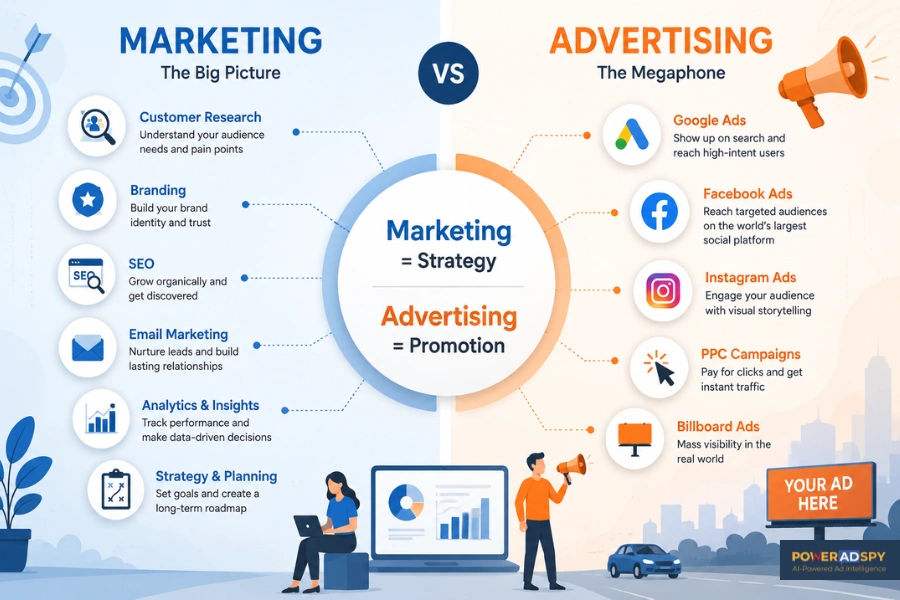
If you’ve ever wondered about advertising vs marketing and which one actually grows a business, you’re not alone. These two words get tossed around like they mean the same thing, but they don’t. Marketing is the umbrella. Advertising is one piece sitting underneath it.
This mix-up isn’t just a vocabulary problem. Business owners often pour money into ads expecting magic, then feel let down when sales barely move. The missing piece usually isn’t the ad itself. It’s the strategy that should’ve come first.
By the end of this guide, you’ll know exactly where each term fits, how they work together, and how to decide where your next dollar should go.
Read Aloud!
The Quick Answer: Advertising vs Marketing in One Minute
Here’s the short version. Marketing is the broader process of understanding your audience, shaping your brand, and creating demand for what you sell. Advertising is a specific tool within that process, one that uses paid placements to get your message in front of people.
Think of it this way: marketing decides what story to tell and who should hear it. Advertising is the megaphone. Every advertisement is part of marketing, but plenty of marketing happens without a single ad running.
Why People Confuse Advertising and Marketing
They Share the Same Goal
At first glance, advertising vs marketing can seem like a distinction without a difference. Both aim to attract customers, build brand awareness, and increase revenue. Because the end goals are so similar, many people assume marketing and advertising are interchangeable terms. However, while they work toward the same outcomes, they contribute in very different ways.
But They Operate at Different Levels
The confusion fades once you separate strategy from execution. Marketing operates at a planning level, mapping out who your customer is and what they care about. Advertising operates at an execution level, turning that plan into a campaign people actually see.
One is long-term and ongoing. The other is often tied to a specific campaign with a start and end date. Understanding advertising in marketing this way clears up a lot of the fog.
What Is Marketing? The Bigger Business Strategy
Marketing Starts Before Promotion
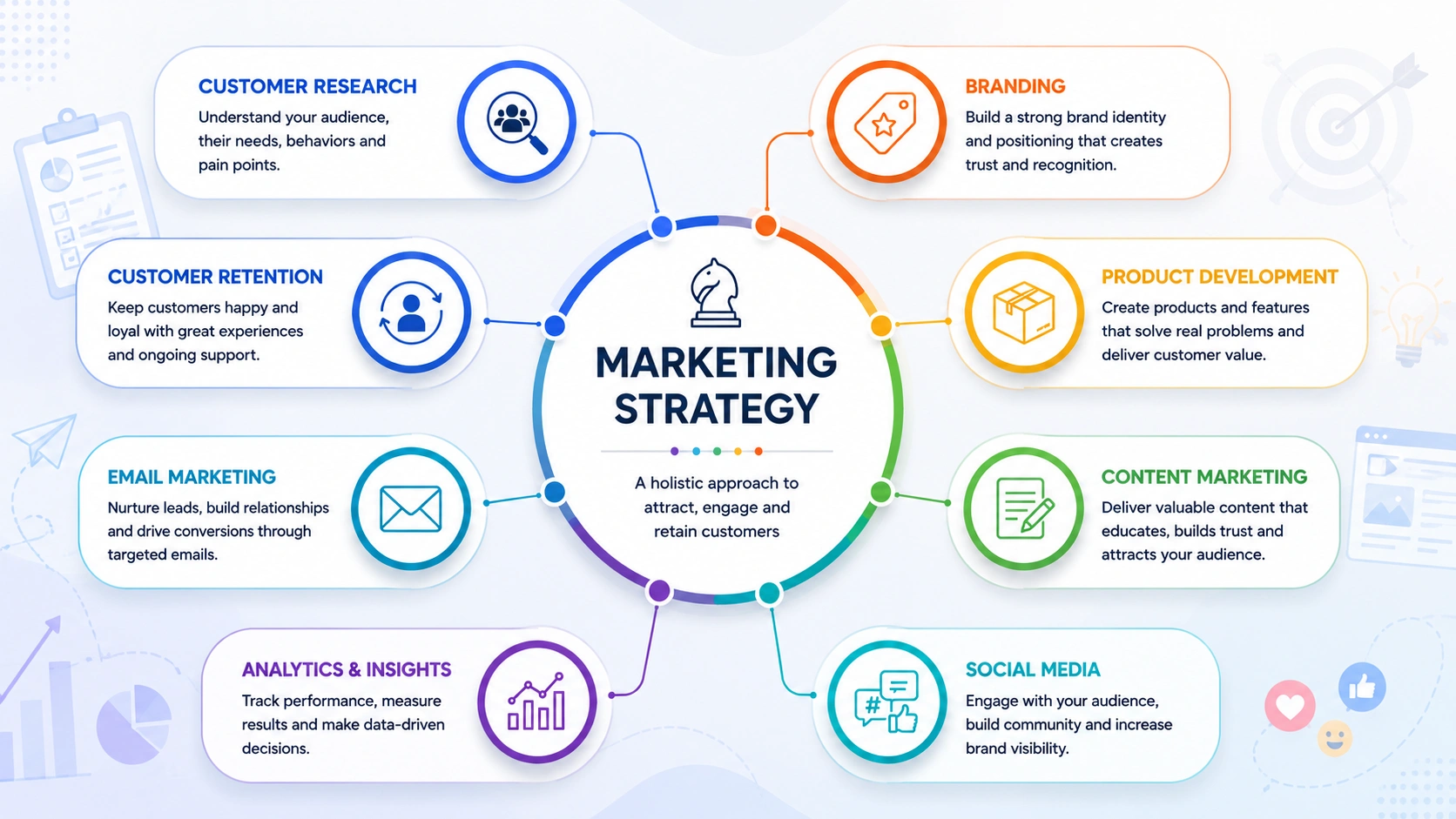
Understanding advertising vs marketing begins with recognizing that marketing starts long before anyone sees an ad. Marketing begins with research: who buys the product, why they buy it, and what influences their purchasing decisions. From there comes audience analysis and positioning, helping businesses determine where their product fits in a competitive market. Before any advertising campaign is launched, marketing establishes the foundation that guides every promotional effort.
The Core Functions of Marketing
One of the biggest distinctions in advertising vs marketing is the scope of activities involved. Marketing influences a wide range of business decisions, including:
- Product development and features
- Pricing strategy
- Distribution channels
- Branding and visual identity
- Customer retention efforts
None of these activities requires a paid advertisement, yet each plays a critical role in shaping customer perception and long-term business success. This broader strategic focus is what separates marketing from advertising.
Examples of Marketing Activities
In practice, marketing shows up as SEO content that answers customer questions, email newsletters that nurture leads, influencer partnerships that build trust, and brand strategy that guides every piece of communication a company sends out. A solid marketing strategy ties all these pieces together into something coherent rather than a bunch of disconnected efforts.
What Is Advertising? The Visibility Engine of Marketing
Advertising Is Paid Promotion
When comparing advertising vs marketing, advertising is the more visible and straightforward activity. It’s paid space, whether that’s a search ad at the top of Google, a sponsored post on Instagram, a banner on a website, or a thirty-second spot during a TV show. You pay, and your message gets shown.
The Main Goal of Advertising
Advertising exists to do a few specific jobs well: reach new people, build awareness quickly, generate leads, or drive immediate sales. It’s the fastest lever a business can pull when it needs visibility right now.
Examples of Advertising Campaigns
A clothing brand running Facebook ads during a holiday sale is advertising. A software company bidding on search terms so they appear when someone types “best project management tool” is advertising too. These are tactical moves designed for a specific window of time.
Advertising vs Marketing: Side-by-Side Comparison
Advertising vs Marketing Comparison Table
This table answers one of the most searched questions out there: what is the difference between marketing and advertising? The scope and timeline rows usually clear up most of the confusion on their own.
Real-World Examples: Marketing and Advertising in Action
Example 1: Launching a New Fitness Brand
A practical way to understand Advertising vs Marketing is to look at how a new fitness apparel brand enters the market. Marketing comes first: identifying the target audience (perhaps beginner runners rather than experienced gym-goers), building a website, creating helpful content around workout tips, and developing a brand voice that feels motivating and approachable.
Advertising comes next. The brand might run social media ads during launch week, sponsor a fitness podcast, or promote its products through paid campaigns designed to quickly reach potential customers. This example of Advertising vs Marketing shows how strategy is developed before promotional efforts begin.
Example 2: Growing an E-commerce Store
For an online store, an organic growth strategy might include blog content, email sequences, and SEO-optimized product pages built over months. Paid promotion strategy would be Google Shopping ads or retargeting campaigns aimed at people who already browsed but didn’t buy.
Marketing creates the strategy. Advertising amplifies the message.
Which Comes First: Marketing or Advertising?
Why Advertising Without Marketing Often Fails
One of the most important lessons in Advertising vs Marketing is that promotion works best when it’s backed by strategy. Plenty of businesses jump straight to ads because it feels faster. The problem is, without marketing groundwork, ads often target the wrong people, carry a message that doesn’t resonate, or push a product that isn’t positioned clearly. Money gets spent, but the results don’t follow.
How Marketing Creates the Foundation for Advertising
Marketing research tells you who to target, what language to use, and why someone should care. Once that foundation exists, advertising becomes far more effective because it’s pointed at the right audience with the right message.
Read More!
7 Strategies for Decoding Competitor Ads
What is Competitor Ads Analysis and Why is it Important | 7 Best Practices
When Should a Business Focus on Marketing vs Advertising?
Focus on Marketing If You Need
- Brand awareness built over time
- Clear market positioning
- Customer loyalty and repeat business
- Long-term, compounding growth
Focus on Advertising If You Need
- Quick visibility for a new offer
- Support for a product launch
- Lead generation on a deadline
- A boost during seasonal sales
The Smartest Businesses Invest in Both
In reality, the businesses that grow fastest don’t pick one over the other. They build marketing as the foundation, then use advertising as the accelerator when timing matters. A strong strategy attracts the right audience, while effective promotion helps that strategy reach more people and generate results faster.
How PowerAdSpy Helps Turn Advertising Into Smarter Marketing
Why Competitor Intelligence Matters
One of the biggest advantages in advertising vs marketing decisions is information. Knowing what’s already working for competitors removes a lot of guesswork, cuts down on wasted testing, and helps campaigns perform better right from the start.
Key Benefits of PowerAdSpy
PowerAdSpy gives businesses a window into:
- High-performing ads running across multiple platforms
- Competitor advertising strategies and patterns
- Winning creatives and messaging angles
- Audience targeting opportunities worth exploring
- Reduced ad spend waste from blind testing
- Stronger campaign planning backed by real data
Using PowerAdSpy Within a Marketing Strategy
The flow looks like this: research competitor ads with PowerAdSpy, build that insight into your marketing strategy, launch advertising that’s informed rather than guessed, then optimize based on what’s actually working. It’s a loop, not a one-time task.
The Hidden Psychology Behind Great Marketing and Advertising
One of the most overlooked aspects of Advertising vs Marketing is the psychology behind how each influences consumer behavior. While both aim to drive growth, they achieve it in very different ways.
Marketing Shapes Perception
Marketing works on trust and identity. Over time, it shapes how people feel about a brand, whether that’s reliable, premium, fun, or innovative. This perception develops gradually through consistent messaging, customer experiences, and brand positioning. Understanding this long-term influence is essential when examining Advertising vs Marketing because it highlights marketing’s role in building lasting relationships.
Advertising Triggers Action
Advertising works differently. It grabs attention in the moment, creates a sense of urgency, and nudges someone toward a decision right now. It’s psychological, but on a much shorter timeline, focusing on immediate engagement and response.
Why the Best Brands Blend Both
Brands that dominate their markets usually have a strong perception built through marketing, then use advertising to convert that goodwill into action at the right moment. When combined effectively, they create a powerful system that attracts attention, builds trust, and drives consistent growth. One without the other tends to underperform.
Common Misconceptions About Marketing and Advertising
“Marketing and Advertising Are the Same Thing”
They’re related, but not interchangeable. Marketing is the strategy; advertising is one tactic inside it.
“Advertising Alone Builds a Brand”
Ads can build awareness, but brand loyalty and trust come from consistent marketing over time, not from a single campaign.
“Marketing Is Only for Large Companies”
Small businesses do marketing constantly, even if they don’t call it that. Choosing a tone for social posts or deciding how to describe a product is marketing.
“Digital Marketing Means Running Ads”
This is a big one. Digital marketing advertising is just one slice of digital marketing, which also includes SEO, email, content, and social media management, which isn’t paid at all.
Advertising vs Marketing in the AI Era
AI Is Changing Advertising
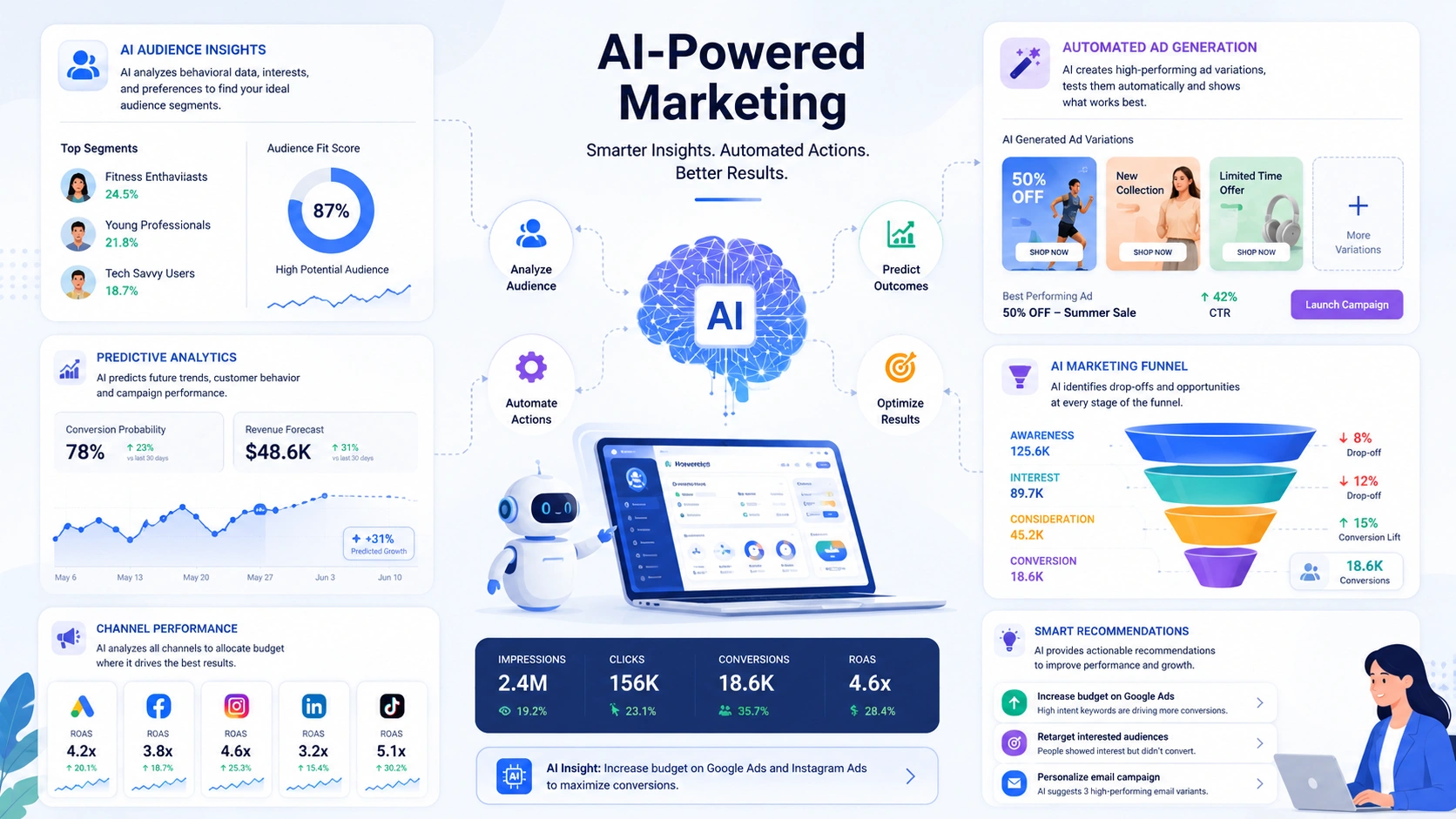
AI tools now automate ad creation, test dozens of creative variations at once, and personalize ads based on individual browsing behavior. This makes advertising faster and often more precise than it used to be.
AI Is Transforming Marketing Strategy
On the marketing side, AI helps businesses understand audience behavior at scale, predict trends before they peak, and map out customer journeys with more accuracy than manual research ever could.
What Businesses Should Expect Next
Expect the line between the two to blur even further. Tools will increasingly connect strategic insights directly to advertising execution, making the gap between planning and promotion smaller than ever.
Final Thoughts: Stop Choosing Between Marketing and Advertising
Businesses often treat these two as rivals competing for budget, when really they’re partners working toward the same goal. Marketing figures out what to say, who to say it to, and why it matters. Advertising makes sure that the message actually gets seen.
The advertising vs marketing debate isn’t really about choosing sides. It’s about understanding how one supports the other. Get the strategy right first, and the advertising that follows will work a whole lot harder for you.
Frequently Asked Questions
Is advertising part of marketing?
Yes. Advertising is one tactic within the broader marketing process, specifically the paid promotion piece.
What is the difference between marketing and advertising?
Marketing is the overall strategy for understanding customers and building a brand. Advertising is the paid promotion used to get a message in front of people.
Can marketing exist without advertising?
Absolutely. Activities like SEO, branding, email campaigns, and customer research are all marketing, with no advertising spend involved.
Which is more important for a small business: marketing or advertising?
Marketing typically matters more early on, since it builds the foundation. Advertising becomes more valuable once that foundation is in place.
What is the role of advertising in marketing?
Advertising acts as a visibility tool, helping marketing messages reach a wider audience faster than organic methods alone.