
How To Use Comparative Advertising To Outshine Competitors?
Marketing today moves faster than ever. Brands battle for attention, relevance, and customer loyalty in a digital world where choices never end. In this competitive landscape, comparative advertising has become a bold and strategic tool that helps brands stand out by directly comparing themselves with rivals. While it requires smart planning and responsible messaging, it can deliver powerful results when executed well.
This guide explores everything you need to know about comparative advertising, what it means, how it works, why brands use it, the benefits, the risks, and the right way to apply it in your marketing strategy. You’ll also find insights, frameworks, and tips to help you craft campaigns that connect, convert, and claim attention without crossing ethical or legal boundaries.
Hit ‘Play’ Button & Tune Into The Blog!
What Is Comparative Advertising?
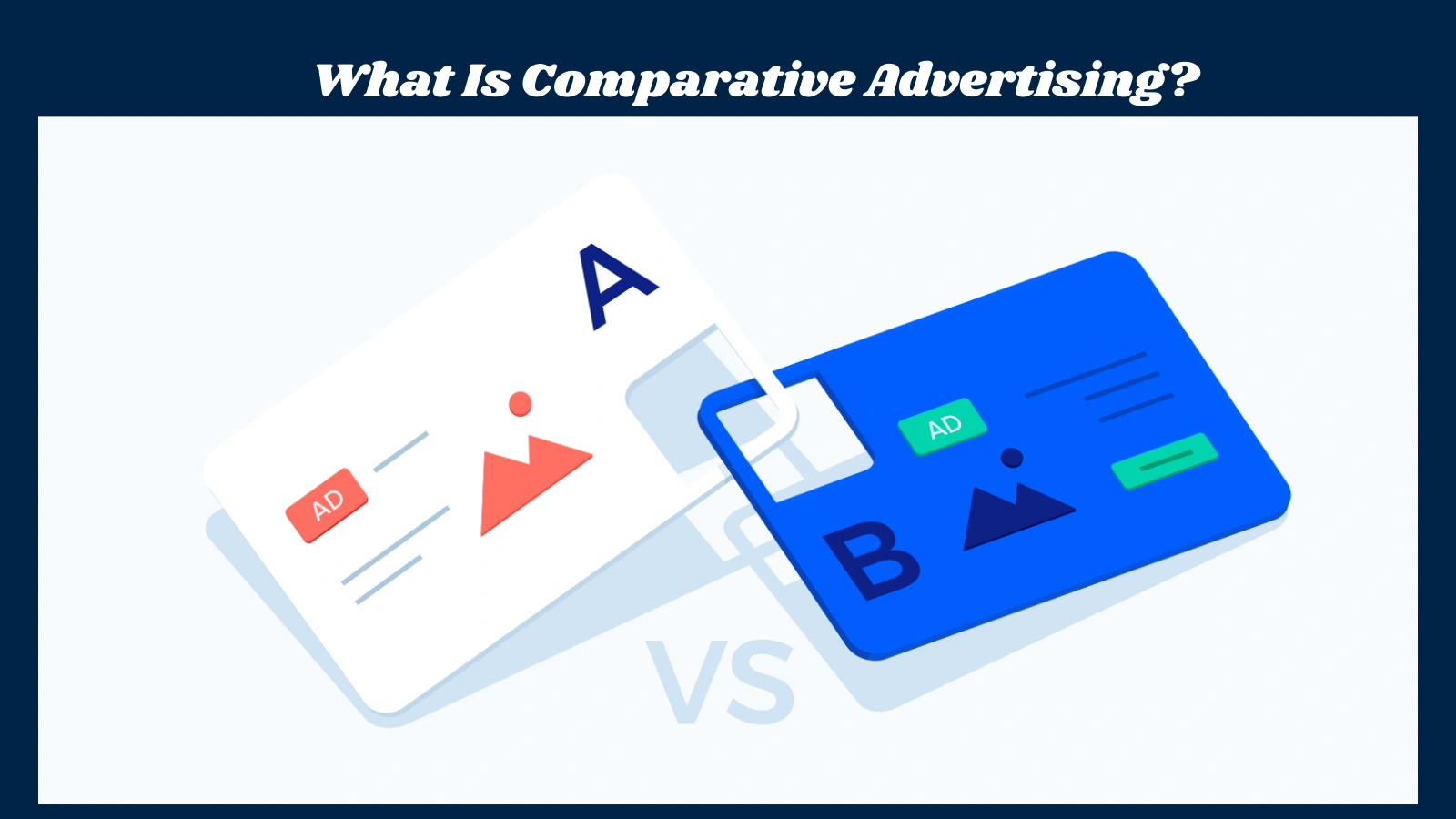
It is a marketing strategy where a brand highlights its advantages over a competing product or service. Instead of speaking in vague superiority claims, the brand uses direct or indirect comparisons to show why it offers better value, performance, quality, or innovation.
These comparisons may focus on:
- Features
- Pricing
- Customer satisfaction
- Performance metrics
- Product benefits
- Aesthetic or functional differences
While it is bold, this style of advertising works because it simplifies customer decision-making. People often feel stuck when they have too many options. A clear comparison gives them clarity, reduces confusion, and helps them make a confident choice.
Why Do Brands Choose Comparative Advertising?
Companies choose this bold style of advertising for several strategic reasons. Some of the most common motivations include:
Faster Brand Positioning:
Markets today are crowded. New brands emerge daily, and customer attention decreases by the minute. Comparative advertising helps a brand position itself immediately by showing:
- What it offers
- What the competitor offers
- Why the difference matters
This shortcut accelerates brand recognition. When brands use data-driven target ads, they can deliver these comparisons directly to audiences most likely to care about the differences, making positioning even more efficient.
More Persuasive Messaging:
People trust facts, clarity, and fairness. A well-structured comparison brings credibility. It communicates confidence, because a brand willing to compare openly suggests it has nothing to hide.
Improved Value Perception:
Customers always want more value for their money. This style of advertising highlights where a product excels, whether in price, features, durability, or performance. When done correctly, it instantly boosts perceived value.
Increased Customer Engagement:
Comparison-based ads spark conversations. They generate curiosity, debate, and even humor when presented creatively. The audience stays hooked because comparisons stimulate the brain more than generic claims.
Different Types Of Comparative Advertising

Brands can present product comparisons in multiple formats, depending on their tone, market position, and creative approach.
1. Direct Comparisons:
These ads mention or show the competitor explicitly.
Examples include:
- “Brand X lasts 2x longer than Brand Y.”
- “Why choose Brand Y when Brand X offers more at half the price?”
This approach is bold but needs strong evidence and careful messaging.
2. Indirect Comparisons:
These don’t name competitors but imply comparison.
Examples:
- “Other brands fade in weeks, ours lasts months.”
- “Switch to better coverage.”
It’s safer legally and still effective.
3. Feature-Based Comparisons:
This method compares product features bullet by bullet.
For instance:
- Battery life
- Safety features
- Ingredients
- Technology
Consumers appreciate this straightforward clarity.
4. Benefit-Based Comparisons:
Instead of technical features, brands compare outcomes:
- Health benefits
- Cost savings
- Convenience
- Speed
Benefit-based comparative advertising works because customers think in terms of results, not specifications.
5. Visual Comparisons:
These ads use creative visuals, side-by-side products, charts, or demos. Visuals make comparisons easy to grasp at a glance.
Also Read:
Target Ads for Dating Offers: A Complete Guide On How To Target Facebook Ads
When To Use Comparative Advertising?
Not every situation calls for direct product comparison, but it becomes highly effective in scenarios where clarity and strong impact are needed.
You have a unique strength:
When your product outperforms others in a measurable, proven way, showcasing that advantage helps customers see real value. This kind of clarity builds trust and positions your brand as the smarter choice.
Customers struggle to differentiate:
In crowded markets where products look almost identical, comparisons simplify decision-making for buyers. By highlighting meaningful differences, you help customers choose faster and with more confidence.
You target competitor-loyal customers:
Some customers stick to familiar brands until they see a clear reason to switch. A direct, fair comparison shows them what they’re missing and reduces hesitation.
You want faster market penetration:
For new or growing brands, bold comparisons create instant visibility and curiosity. They help you break through noise and stand out against established competitors much sooner.
How Comparative Advertising Helps Customers?

Customers benefit from product comparisons because it saves them time and offers clarity. Instead of digging through endless reviews or specs, they get the key information instantly.
Benefits include:
- Faster evaluation
- Clearer insights
- Confidence in decision
- Better understanding of value
- Reduced confusion
Modern buyers expect brands to be transparent. Comparisons feel honest and informative.
How Comparative Advertising Helps Brands?
It strengthens your brand’s position by highlighting clear differences that matter to your audience and influencing decisions effectively.
- Clear Brand Differentiation: Consumers remember brands that take bold stands. Comparative advertising helps you carve a distinct identity.
- Higher Conversion Rates: When customers understand why your product is objectively better, they convert faster.
- Enhanced Recall: Comparisons stick in the mind longer than generic claims.
- Strong Competitive Position: Brands that use direct comparisons often come across as more confident and innovative. By openly showcasing strengths against alternatives, they signal boldness and a strong belief in their product.
To run strong comparative advertising campaigns, you need accurate insights about what your competitors are doing and which ads truly perform well. This is where a research-driven tool like PowerAdSpy becomes incredibly valuable.
Instead of guessing, you can analyze millions of real-time social ads, study competitor messaging, check audience reactions, and identify winning creative formats. PowerAdSpy helps you understand what actually works in your niche, making your comparative strategies more factual, relevant, and effective.
Understanding The Pros And Cons Of Comparative Advertising
Every marketing strategy comes with strengths and limitations, and comparison-based marketing is no exception. Whether used in traditional media, Google Ads, or social campaigns, brands must understand both its advantages and potential risks to use it effectively.
Below is a clearer, more meaningful breakdown of how comparison-based marketing can help, or sometimes challenge, your brand.
Pros of Comparative Advertising:
1. Stronger Differentiation:
Comparative ads make it easy for customers to understand how your product performs against others. By highlighting specific features, price points, or benefits, you help your audience see exactly why your brand is the better choice.
2. Faster Customer Decision-Making:
When people see direct comparisons, they spend less time researching. Showing side-by-side clarity reduces confusion and helps buyers feel confident about choosing your product.
3. Increased Brand Visibility:
Bold comparisons often get more attention. They stand out in crowded markets because they challenge the usual storytelling format and appeal to curiosity and competitiveness.
4. Builds Trust Through Transparency:
Honest comparisons based on real facts show that you’re confident in your product. Consumers appreciate brands that don’t hide from competition and openly prove their strengths.
5. Effective for New or Growing Brands:
Startups can use comparisons to position themselves against bigger competitors. By directly showcasing value or innovation, new brands can quickly attract attention and credibility.
Cons of Comparative Advertising:
1. Legal and Ethical Risks:
Comparisons must be factual and fair. Exaggerating claims or presenting false differences can lead to lawsuits, penalties, or a damaged reputation.
2. Can Trigger Negative Brand Perception:
If the comparison feels too aggressive, audiences may think the brand is attacking rather than informing, which can reduce trust or create backlash.
3. Risk of Promoting Competitors:
By naming or visually referencing another brand, you unintentionally give them visibility. If your comparison isn’t strong enough, it can even benefit your competitor.
4. May Lead to Price or Feature Wars:
Competitors might respond with their own comparison ads, promotions, or counterclaims, potentially starting a marketing battle that consumes time and resources.
5. Requires High-Quality Data and Research:
Poor comparisons, missing details, outdated data, or weak evidence, can make your campaign look unprofessional. This is why solid research tools and accurate insights are crucial.
Also Read:
5 Most Valuable Methods Of Social Media Advertising
Top Google Ads Competitors Analysis Secrets You Must Know
The Psychology Behind Comparative Advertising
Human minds love comparisons. It’s how our brains process decisions.
When presented with options, people subconsciously align them side by side:
- Which is cheaper?
- Which performs better?
- Which lasts longer?
- Which feels more valuable?
Comparative advertising works because it mirrors their natural decision process.
Studies show that:
- Comparisons reduce cognitive load
- They trigger curiosity
- They create memorable contrasts
- They increase perceived fairness
When a brand provides a structured comparison, customers feel empowered and more trusting.
How Do You Craft Effective Comparative Advertising Campaigns?
While many successful examples demonstrate the power of strategic comparisons, creating an effective campaign, especially in social media advertising, still demands clarity, accuracy, and respect to ensure it resonates with audiences without crossing ethical boundaries.
Following the right principles ensures your message is persuasive, ethical, and memorable.
Use Accurate and Verifiable Claims:
Every statement must withstand scrutiny. Accuracy protects your reputation and keeps legal complications away.
Stay Respectful:
You can highlight your strengths without insulting another brand. Respect builds credibility and keeps the comparison healthy.
Focus on What Truly Matters:
Compare elements that genuinely impact customer experience, not small or irrelevant details that don’t influence decisions.
Keep the Message Simple:
A direct and clear comparison works best. Avoid overwhelming customers with too much information or unnecessary data.
Use Visuals:
Charts, demos, and side-by-side images make differences easier to understand and more convincing.
Maintain Brand Voice:
Whether your brand is humorous, bold, informative, or direct, stay consistent with your identity throughout the comparison.
End With a Strong CTA:
The goal of any comparison is to lead customers toward action, exploring features, learning more, or making a purchase.
What Legal Factors Should You Consider In Comparative Advertising?
Legal rules around advertising comparisons vary widely across regions, making it essential for brands to follow strict guidelines. Careful analysis of your own and competitors’ offerings helps ensure every comparison is accurate, fair, and fully compliant with advertising standards.
To stay within legal boundaries, keep these points in mind:
- Use factual, provable claims that can be backed with real data.
- Avoid statements or visuals that create false or misleading implications.
- Present comparisons that are balanced, measurable, and genuinely relevant.
- Add clear disclaimers wherever necessary to prevent misinterpretation.
- Never misuse or distort another brand’s trademarks or creative assets.
Back your comparisons with proper competitor analysis to ensure you’re representing rival brands truthfully and responsibly. And always consult legal experts when crafting high-impact comparison campaigns to avoid unnecessary risks.
How To Measure The Success Of Comparative Advertising?
Track key metrics to evaluate performance:
- Engagement rate
- Conversion rate
- Brand recall
- Audience sentiment
- Sales lift
- Website traffic
- New customer acquisition
Comparisons often drive measurable improvements when aligned with customer needs.
How PowerAdSpy Strengthens Comparative Advertising Campaigns?

Comparative advertising becomes more impactful when your claims rely on real, verifiable data from actual ads running in your niche. This is exactly what PowerAdSpy, one of the most powerful Social Ads advertising analytics tools, helps you achieve.
Its massive library of millions of ads across 100+ countries allows brands to research competitor strategies, identify winning creatives, and create factual, data-driven comparisons.
Complete Visibility Into Live Competitor Ads:
PowerAdSpy lets you visit live ad posts directly from the platform, check real-time engagement, and understand audience reactions. This helps you create comparisons grounded in transparent, real-world data.
Powerful Search Filters and Niche Targeting:
With advanced filters such as ad position (News Feed, Side Location), keywords, domains, and advertiser names, you can narrow down your research easily. This targeted approach helps you compare relevant competitor ads, not random samples.
Massive Global Ad Database:
With millions of ads added from 100+ countries and thousands more updated daily, you always get fresh insights. This helps you study the latest winning concepts and trends before crafting your next ad strategy.
Engagement-Oriented Insights:
By showing likes, comments, shares, and audience sentiment, PowerAdSpy reveals which ads genuinely win audience trust. This helps you craft comparisons that reflect real customer preferences.
Video + Image Ad Research:
Since video ads often outperform images, PowerAdSpy’s rapidly growing library of video ads helps you understand what kind of visual content your audience responds to most. You can even download creatives for analysis and inspiration.
CTA-Based Sorting and Geo Insights:
Finding which call-to-actions work best and where your competitors are targeting audiences gives your comparative ads a strategic advantage, especially when building region-specific campaigns.
With its accuracy, search power, and depth of insights, PowerAdSpy becomes an invaluable tool for marketers aiming to create bold yet factual comparative ads.
Final Thoughts
Comparative advertising is powerful, strategic, and highly effective when used with clarity and ethics. It helps customers choose confidently, strengthens brand positioning, and builds trust through honest transparency. When you present fair and compelling comparisons, your marketing becomes more memorable and impactful. In a fast-moving market, brands that communicate boldly and truthfully gain a clear competitive edge.
And as businesses refine their comparison-based messaging, tools like PowerAdSpy make the process even more efficient by giving real-time access to competitors’ top ads, audience behavior, and engagement insights. With stronger clarity and research-backed direction, marketers can craft sharper, smarter, and more compelling comparative advertising strategies that connect with audiences and drive better results.
FAQs
1. Is comparative advertising legal in all countries?
Comparative advertising laws vary across different countries. Some allow direct comparisons, while others require strict guidelines to avoid misleading claims.
2. How do I choose which competitors to compare my brand with?
Focus on competitors your audience already considers while making purchase decisions. This keeps your comparisons relevant and easier for customers to understand.
3. What type of content works best for comparative ads?
Visual formats like videos, carousels, or side-by-side images work great for comparison messaging. They help highlight differences quickly without overwhelming the viewer.