What Is Facebook Lookalike Audience? Setup, Benefits & Tips
Reaching the right audience is one of the biggest challenges in digital advertising. You can have a great product and a well-designed ad, but if it’s not shown to the right people, results will always fall short. This is where the Facebook lookalike audience feature becomes a powerful tool for marketers.
Instead of guessing who might be interested in your business, this feature allows you to target users who are similar to your existing customers. By analyzing data such as interests, behaviors, and demographics, Facebook helps you find new people who are more likely to engage with your ads.
For businesses looking to scale, this approach can significantly improve ad performance. Whether you’re running eCommerce campaigns, generating leads, or building brand awareness, using Facebook lookalike audiences can help you expand your reach while maintaining quality targeting.
Another advantage is that you don’t always need a massive email list to get started. There are ways to create lookalike audience without email collection Facebook ads, making it accessible even for beginners.
Listen to this Podcast here.
What Is Facebook Lookalike Audience?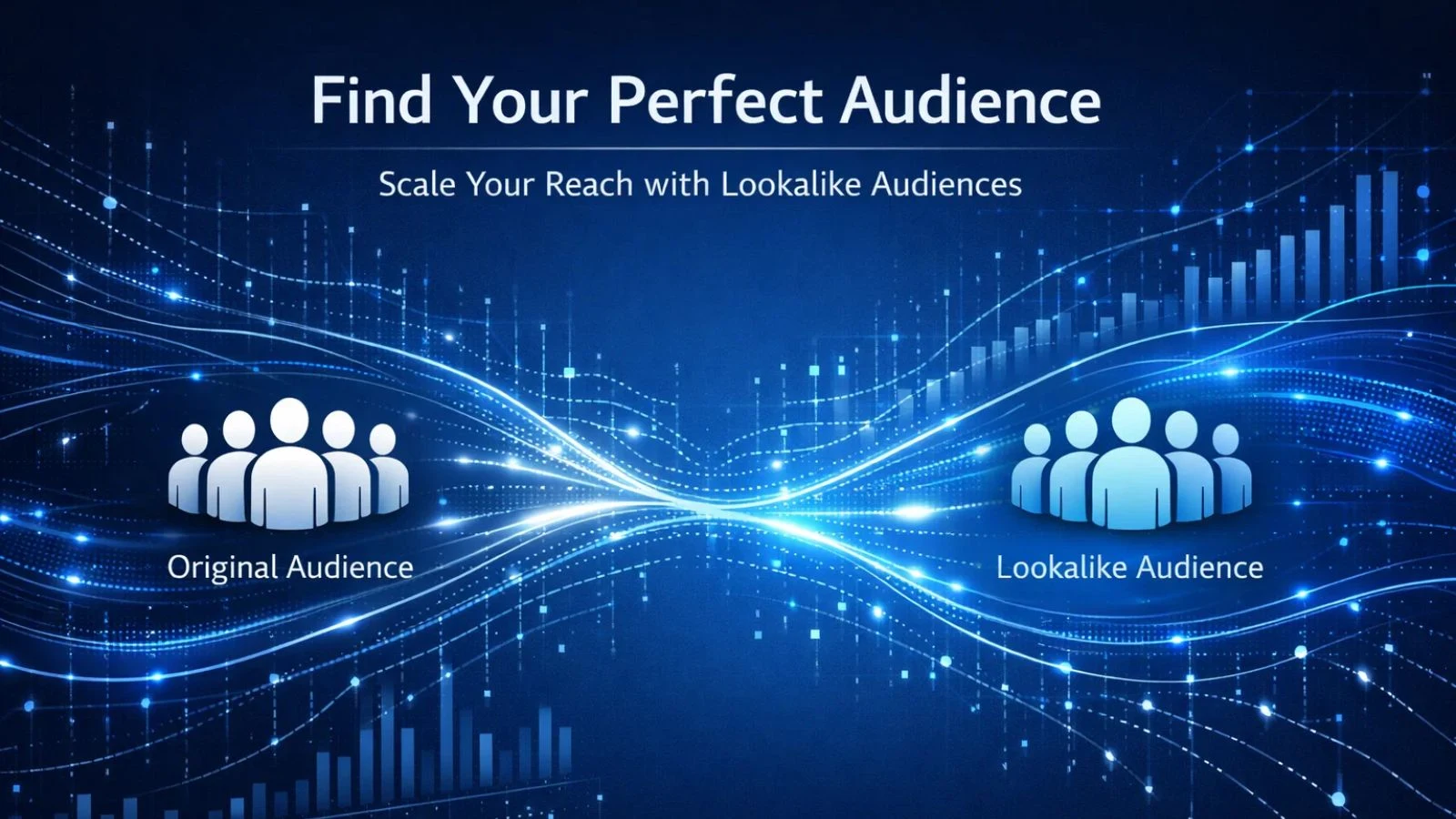
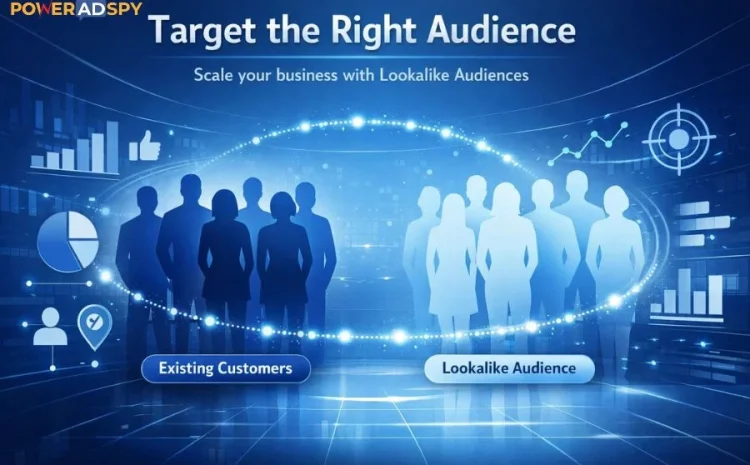
A Facebook lookalike audience is a targeting feature that helps you reach new people who are similar to your existing audience. Instead of manually defining interests or demographics, Facebook uses its algorithm to analyze your source audience and find users with comparable behaviors and characteristics.
Your source audience can be anything from existing customers, website visitors, app users, or even people who have engaged with your content. Once you provide this data, Facebook studies patterns like interests, online activity, and interactions to build a new audience that closely “looks like” your original one.
This is what makes Facebook lookalike audiences so effective. You’re not targeting random users, you’re reaching people who already share similarities with those who have shown interest in your business.
Another important aspect is scalability. While your original audience might be limited in size, a lookalike audience Facebook allows you to expand your reach without losing relevance. This makes it a popular choice for advertisers who want to grow their campaigns efficiently.
Even if you don’t have a customer list, you can still create lookalike audience without email collection Facebook ads by using sources like website traffic or engagement data, making it accessible for businesses at any stage.
How Facebook Lookalike Audience Works
Understanding how a Facebook lookalike audience works can help you use it more effectively and get better results from your campaigns.
At its core, Facebook relies on a source audience. This is the group of people you already have data on, such as your customers, website visitors, or users who interacted with your ads. Facebook analyzes this group to identify common traits like interests, behavior patterns, demographics, and online activity.
Once this analysis is complete, Facebook’s algorithm finds new users who closely match those characteristics. These new users form your lookalike audience. The goal is simple: reach people who are more likely to respond to your ads because they behave similarly to your existing audience.
One key factor here is audience size selection. When creating a lookalike audience, you can choose how closely the new audience should match your source. A smaller percentage (like 1%) means higher similarity but a smaller reach, while a larger percentage increases reach but may reduce precision.
This balance is important. Businesses often start with a smaller, highly targeted group and gradually expand as they scale campaigns.
The strength of Facebook lookalike audiences lies in automation. Instead of manually testing multiple targeting options, Facebook does the heavy lifting by identifying patterns and matching users for you.
How to Create Facebook Lookalike Audience (Step-by-Step)
Setting up a Facebook lookalike audience is a straightforward process, but getting it right can make a big difference in your campaign performance.
Step 1: Go to Facebook Ads Manager
Start by opening your Ads Manager and navigating to the Audiences section. This is where you’ll manage all your custom and lookalike audiences.
Step 2: Choose Your Source Audience
Click on “Create Audience” and select “Lookalike Audience.”
Now, choose your source this could be:
- Website visitors (via Pixel)
- Customer list
- App users
- Page or ad engagement
Your source quality matters more than size. A well-defined audience leads to better results.
Step 3: Select Location
Choose the country or region where you want to find similar users. Facebook will look for people in that location who match your source audience.
Step 4: Choose Audience Size
You’ll see an option to select a percentage (1% to 10%).
- 1% = closest match (high quality, lower reach)
- Higher % = broader reach (slightly less precise)
For most campaigns, starting with a smaller percentage is a smart move.
Step 5: Create and Save
Click “Create Audience,” and Facebook will take some time to process it. Once ready, you can use it in your ad campaigns.
Can You Create It Without Email Data?
Yes, you can create lookalike audience without email collection Facebook ads by using alternative sources like:
- Website traffic
- Video views
- Social media engagement
This makes it possible for even new businesses to take advantage of this feature without needing a large customer database.
Top Benefits of Using Facebook Lookalike Audience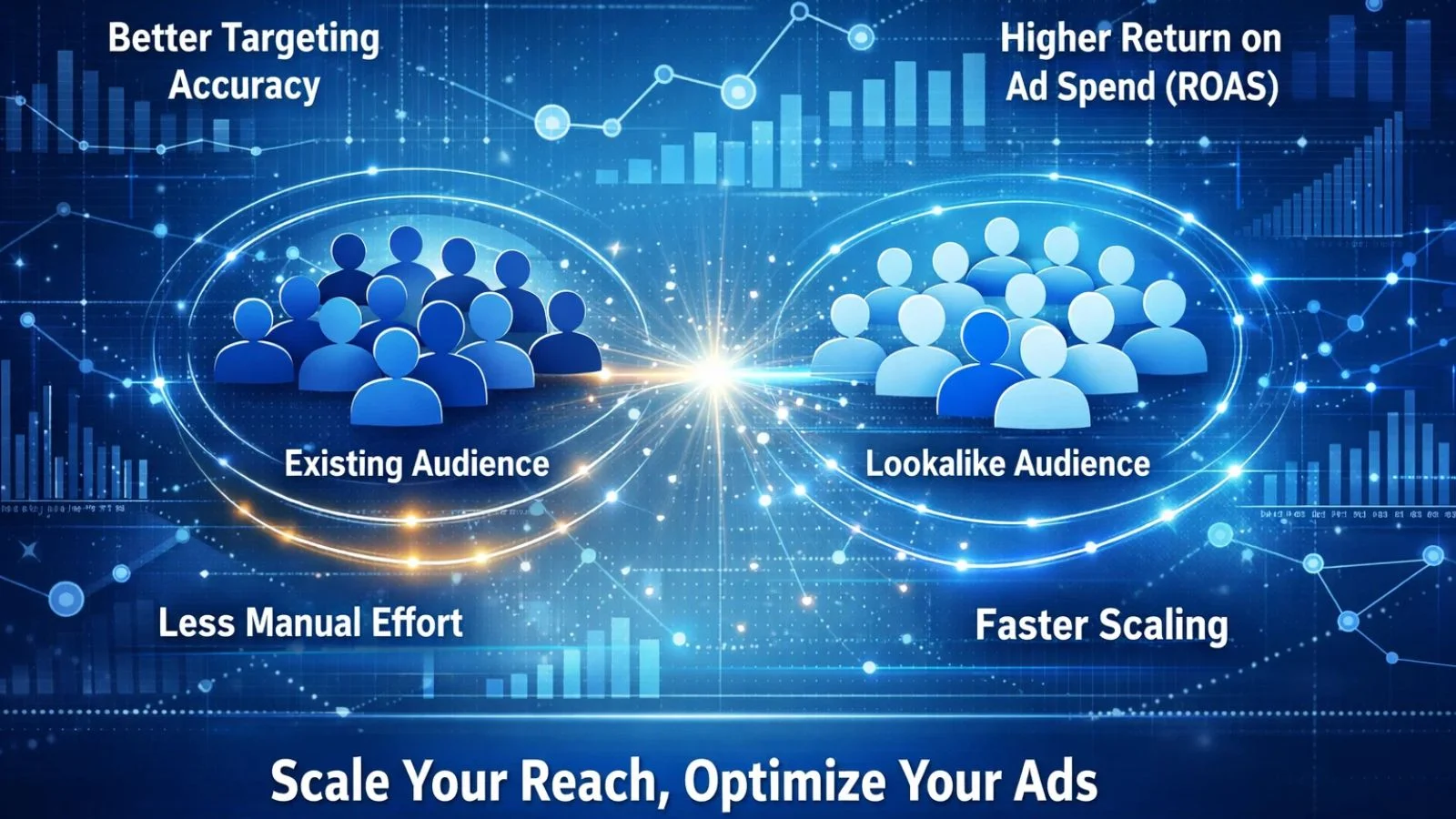
Using a Facebook lookalike audience can significantly improve how your ads perform, especially when you’re trying to scale without wasting budget on the wrong audience.
One of the biggest benefits is better targeting accuracy. Instead of guessing who might be interested, Facebook finds people who already share similarities with your existing audience. This increases the chances of engagement and conversions.
Another advantage is higher return on ad spend (ROAS). Since your ads are shown to more relevant users, you’re less likely to spend money on people who have no interest in your offer. This makes your campaigns more efficient and cost-effective.
It also helps with faster scaling. Once you find a source audience that works well, you can expand it using Facebook lookalike audiences without starting from scratch. This allows you to grow your campaigns while maintaining quality targeting.
Additionally, it reduces the need for manual targeting efforts. Instead of testing multiple interest groups, Facebook’s algorithm does the heavy lifting by identifying patterns and matching users automatically.
Another key benefit is accessibility. Even if you don’t have a large customer list, you can still create lookalike audience without email collection Facebook ads by using engagement data or website traffic. This makes it useful for both beginners and experienced marketers.
Overall, it’s a powerful way to reach new, high-quality audiences while keeping your campaigns efficient and scalable.
Best Practices & Tips for Better Results
To get the most out of a Facebook lookalike audience, it’s not just about setting it up it’s about using the right strategy. Small improvements in how you build and test your audience can lead to significantly better results.
Start with a high-quality source audience. This is the foundation of everything. Instead of using a broad group, focus on people who have already taken meaningful actions like purchases, sign-ups, or strong engagement. The better your source, the better your results.
Another important tip is to test different audience sizes. While a smaller percentage gives you a closer match, slightly larger audiences can sometimes deliver better performance at scale. Testing multiple variations helps you find the right balance between reach and precision.
You should also refresh your source audience regularly. As your business grows and more data comes in, updating your source ensures that your targeting stays relevant and accurate.
Layering your strategy can also help. Even though a lookalike audience Facebook is powerful on its own, combining it with good creatives and strong ad copy makes a big difference. The audience gets you the right people, but your message converts them.
Another useful approach is to segment your audiences. For example, create separate lookalikes based on different actions like purchases, website visits, or video engagement. This allows you to tailor campaigns more effectively.
Finally, always rely on data and testing. Monitor performance, compare results, and keep optimizing. What works for one campaign may not work for another, so continuous improvement is key.
Why Use PowerAdSpy for Better Ad Targeting?
If you want to improve your results with a Facebook lookalike audience, having the right data and insights can make a big difference. This is where PowerAdSpy becomes useful, helping you make informed decisions instead of relying on guesswork.
Here you will know how PowerAdSpy helps improve your campaigns:
- Ad research made easy
Explore high-performing ads across different niches and understand what messaging and visuals are driving results. - Better creative direction
Learn what works in the market so you can create campaigns that resonate more effectively with your audience. - Audience insights
Refine your targeting strategy and combine it with a strong source audience to build more effective lookalike campaigns. - Competitor analysis
See what others in your industry are doing and identify gaps or new opportunities. - Smarter decision-making
Reduce trial and error by using real data to guide your advertising strategy.
Common Mistakes to Avoid
Even though a Facebook lookalike audience is powerful, many advertisers don’t get the expected results because of simple mistakes.
One common issue is using a low-quality source audience. If your source includes random or unqualified users, Facebook will replicate those same patterns, leading to poor targeting.
Another mistake is choosing the wrong audience size. Going too broad too early can reduce accuracy, while staying too narrow may limit growth. Finding the right balance is key.
Many marketers also don’t test multiple audiences. Relying on just one version limits your chances of discovering what actually works best.
Ignoring creatives is another problem. Even the best targeting won’t help if your ad copy or visuals aren’t compelling enough.
Lookalike Audience vs Custom Audience
Understanding the difference between these two can improve your overall ad strategy.
A custom audience includes people who already know your business like website visitors, email subscribers, or past customers. These are “warm” users.
A Facebook lookalike audience, on the other hand, helps you reach new people who are similar to that existing group. These are “cold” audiences but with higher potential.
Both work best when used together. Custom audiences help with retargeting, while lookalikes help you scale and find new customers.
When Should You Use Lookalike Audiences?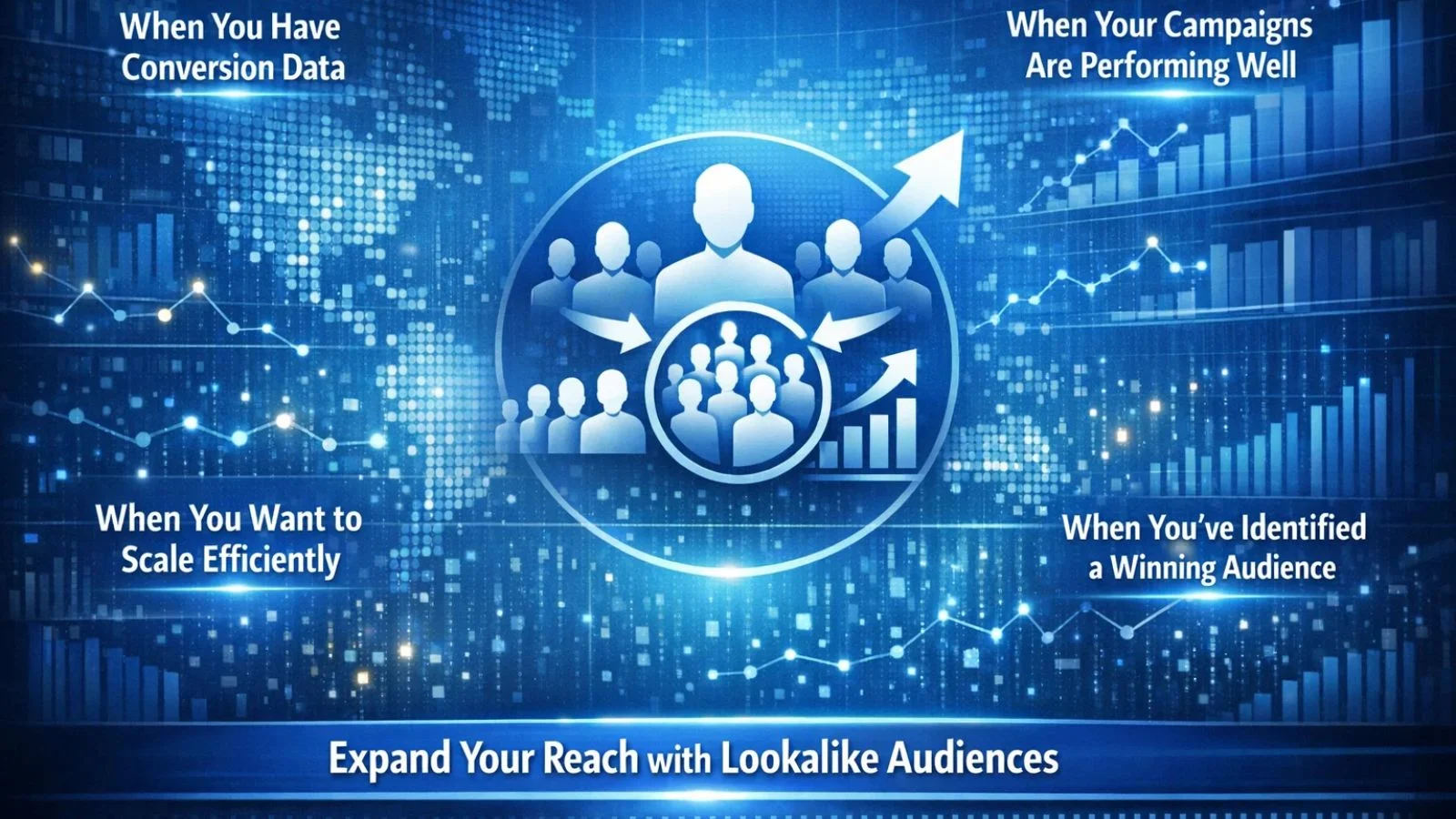
Timing plays an important role in getting the best results.
You should use a Facebook lookalike audience when:
- You already have some conversion data
- Your current campaigns are performing well
- You want to scale without losing targeting quality
It’s especially useful when you’ve identified a winning audience and want to expand beyond it.
Advanced Strategies for Better Performance
Once you’re comfortable with the basics, you can take things further.
One effective method is stacking multiple lookalike audiences. Instead of relying on one, you create several based on different sources like purchases, engagement, and traffic.
Another strategy is value-based lookalikes, where you use high-value customers as your source. This helps Facebook find users who are more likely to spend more.
You can also combine this with funnel-based targeting using different audiences for awareness, consideration, and conversion stages.
Also Read,
Final Thoughts
A Facebook lookalike audience is one of the most powerful tools available for advertisers who want to scale efficiently. Instead of targeting random users, it allows you to reach people who are already similar to your best customers.
From improving targeting accuracy to increasing conversions and simplifying campaign setup, the benefits are hard to ignore. When used correctly, it can transform how you approach Facebook advertising.
The key is to focus on quality data, test different strategies, and continuously optimize your campaigns. With the right approach, you can turn this feature into a consistent driver of growth for your business.
FAQ’s
- How do I create a lookalike audience?
You need a source audience (like customers or website visitors), then Facebook automatically finds similar users based on that data. - Can I create one without an email list?
Yes, you can use website traffic, app data, or social media engagement instead. - What is the best audience size to start with?
A smaller percentage (like 1%) is usually more accurate and a good starting point. - Are lookalike audiences effective?
Yes, they are widely used because they improve targeting and help increase conversions.