Facebook Advertising Strategy, Targeting, and Scaling
Digital advertising moves fast. What worked a year ago often feels outdated today. Still, a few platforms continue to drive reliable growth because they combine reach, data, and smart automation. Facebook advertising remains one of them, operating inside the broader Meta Platforms ecosystem.
With placements across Instagram, Messenger, and the Meta Audience Network, brands can reach people at different stages of the buying journey. Someone might discover a product while scrolling, explore it later, and convert days after that. The platform supports that full path.
Campaign management has changed a lot. Earlier, marketers relied on tight targeting and constant manual edits. Now performance comes from better data, structured testing, and consistent creative output. The system handles delivery optimization while marketers focus on direction, messaging, and decision-making.
This shift makes competitive research more valuable than ever. Instead of guessing, teams study what already works. They look at ads that run for months, offers that repeat, and formats that dominate certain industries. These patterns reduce wasted spend and speed up learning.
Facebook advertising works best when treated as an ongoing process. The more data you gather, the clearer your strategy becomes and the stronger your results get.
Listen To The Podcast
What Is Facebook Advertising and How It Works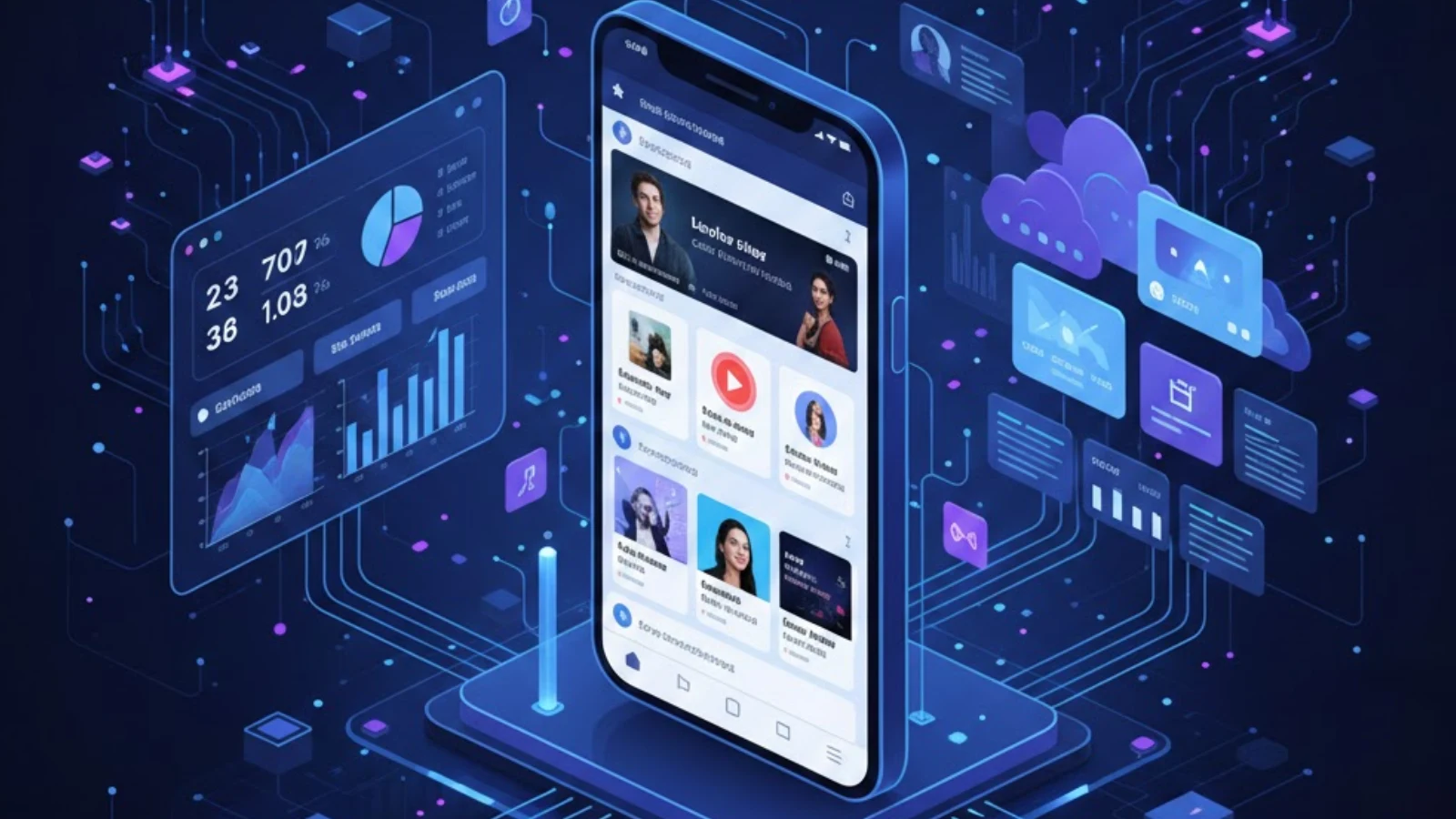
At its core, Facebook advertising is a paid distribution system that allows businesses to show messages to specific groups of people across the Meta Platforms ecosystem. Instead of waiting for organic reach, brands can place content directly in front of users who are likely to care about it.
The system runs on a simple structure. Every campaign starts with a goal such as awareness, traffic, or conversions. Inside that campaign sits the ad set, where audience, budget, and placements are defined. The final layer is the ad itself. This is where creative, copy, and the offer come together.
One of the biggest strengths of the platform is its distribution network. Ads do not only appear on Facebook. They extend across Instagram, Messenger, and the Meta Audience Network. This allows the same campaign to reach users while they scroll, watch, message, or browse other apps.
Behind the scenes, the algorithm studies behavior signals. It looks at who clicks, who watches, who ignores, and who converts. Over time, delivery becomes more refined. The system starts prioritizing people who resemble those already engaging with the ad.
This is why early performance can feel inconsistent. Campaigns need data before they stabilize. Marketers who understand this avoid constant edits and focus instead on clear messaging, strong creative, and structured testing.
In practice, Facebook advertising works less like a switch and more like a learning cycle. Each campaign feeds information back into the system. With enough signals, targeting becomes smarter, costs improve, and decision making gets easier.
Facebook Campaign Types You Should Know
Not every campaign is built for the same outcome. The objective you choose tells the system what success looks like. That single decision shapes who sees your ads, how they are delivered, and what results you can expect.
Most campaigns fall into three broad categories:
- Awareness campaigns focus on visibility. They help new brands get noticed, introduce products, and build familiarity. The goal is to reach and recall rather than immediate action.
- Consideration campaigns sit in the middle of the journey. These are designed to drive traffic, video views, engagement, or leads. At this stage, people already know something about the brand, so the message shifts from introduction to exploration. Strong storytelling and clear value make a difference here.
- Conversion campaigns target action. This is where purchases, sign-ups, bookings, or other measurable outcomes happen. The system looks for users who show intent and behave more aggressively with optimization once enough data is available.
A noticeable shift in recent years is automation. Features like Advantage style campaign setups reduce manual control over targeting and placements. Instead of narrowing audiences too early, advertisers provide signals such as creative angles, past customer data, and clear goals. The platform then handles distribution.
Choosing the right objective is less about preference and more about timing. Launching a new product with only conversion campaigns often leads to high costs. Running only awareness campaigns makes growth slow. Strong accounts move users through stages, allowing each campaign type to support the next.
When these layers work together, performance becomes more predictable. Awareness builds demand, consideration nurtures it, and conversion captures it.
Also Read
Why Creative Now Drives Facebook Ad Performance
Scroll behavior has changed. People move fast, ignore obvious ads, and stop only when something feels relevant. This is why creativity has moved from being a small piece of the campaign to the main driver of results.
The platform can find the right people, but it cannot fix weak messaging. If the visual does not catch attention or the idea feels generic, performance drops no matter how good targeting looks.
Winning ads usually follow clear patterns. They speak to one problem, show one benefit, and make the next step obvious. Overcomplicated creatives confuse users and slow down decisions.
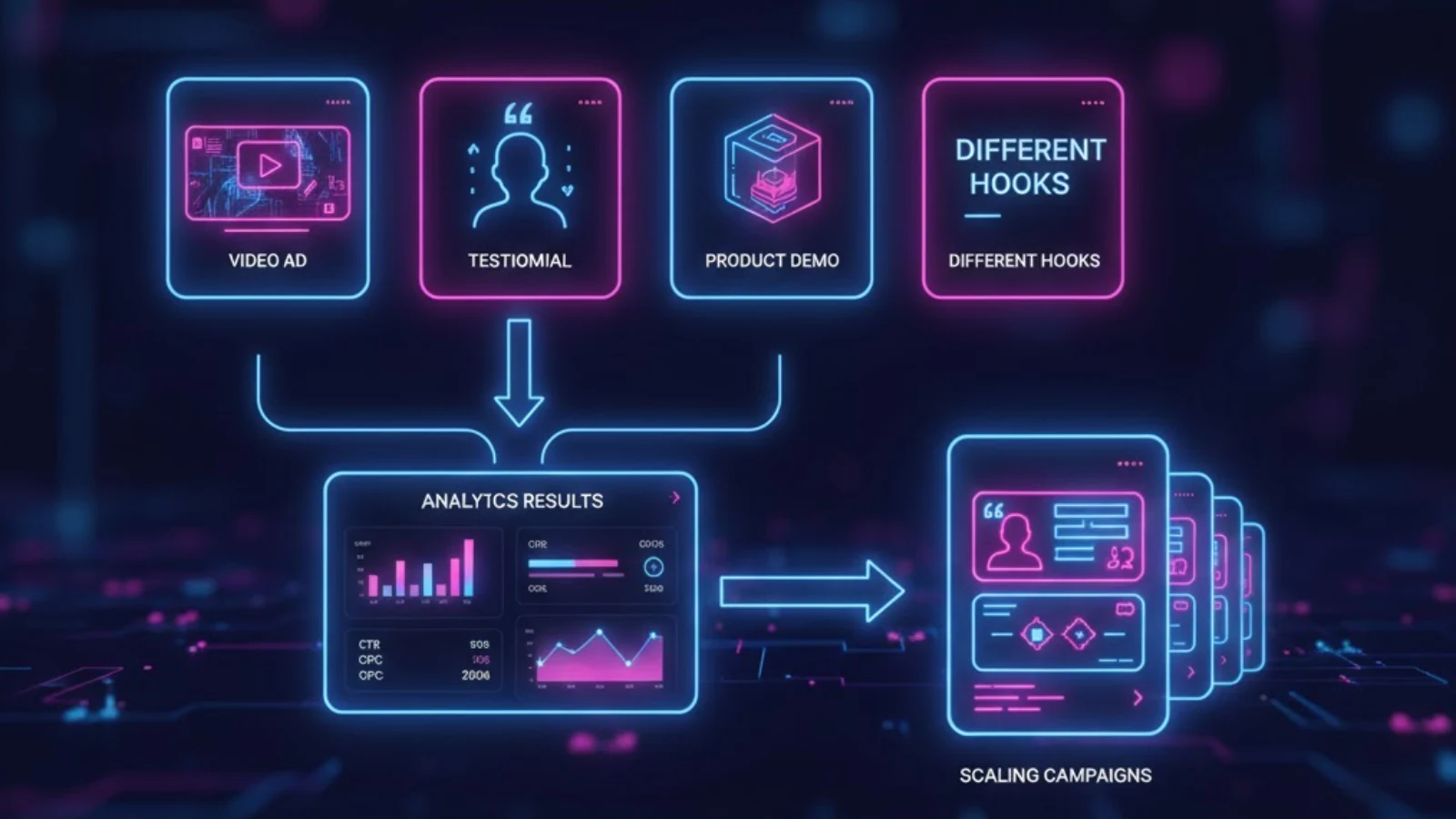
Consistency matters more than perfection. Brands that produce new variations regularly learn faster. Small changes in hooks, visuals, or angles often reveal what actually resonates with the audience.
Short videos, simple demonstrations, testimonials, and problem solution formats continue to work because they mirror how people consume content on social platforms. Ads that feel native perform better than ads that look overly polished.
Creative testing also reduces risk. Instead of betting on one idea, advertisers run multiple directions at the same time. The system pushes budget toward what people respond to, turning feedback into performance.
In practical terms, Facebook advertising has become a creative game supported by data. The accounts that scale are usually the ones that understand this first.
How to Create High-Performing Facebook Ad Creatives

On platforms like Facebook and Instagram, people decide fast. If the creative does not catch attention in the first few seconds, the campaign struggles.
Start with one clear idea. Focus on a single problem and the outcome your product delivers. Simple messages are easier to understand and remember.
Strong hooks make people pause. This can be a relatable situation, a bold line, or a quick product demonstration. The goal is to feel natural, not overly promotional.
Keep visuals native. Real usage clips, testimonials, short videos, and problem-solution formats usually perform better than heavily polished ads.
Test variations consistently. Change hooks, angles, or thumbnails and watch how people respond. Small tweaks often reveal what actually works.
Good creatives are not about perfect design. They are about relevance. When the message connects, the platform handles the rest.
How You Can Improve Your Facebook Ads
Creating ads is important, but many advertisers struggle with what to change next. Performance feels inconsistent, and decisions turn into guesswork.
The easiest way to improve is by learning from ads that are already working. When you study real campaigns, you start noticing patterns in hooks, visuals, and offers. These insights make your next creative decisions clearer.
Instead of testing blindly, you refine ideas using signals from the market. This reduces wasted budget and speeds up results.
Once you approach Facebook ads this way, improvement becomes more structured. You are no longer searching for random inspiration. You are building in a proven direction.
Improving ads becomes easier when you stop relying on guesswork and start using structured research. Instead of manually searching across platforms, tools built for ad intelligence help you see what is actually working in real time.
One such tool is PowerAdSpy. It allows you to explore active ads across different niches, study creative patterns, and understand how competitors position their offers. This makes it easier to validate ideas before you spend the budget on testing.
You can filter ads by keywords, engagement, format, and platform placement. When certain hooks or visuals appear repeatedly, it signals audience interest. These insights help you refine your creatives rather than starting from scratch every time.
Using ad intelligence does not mean copying competitors. It means learning faster, spotting gaps, and building campaigns on stronger foundations. With the right research approach, creative decisions become clearer, and scaling feels more predictable.
Conclusion
Facebook advertising continues to reward advertisers who think in systems rather than one-time campaigns. Understanding how the platform works, choosing the right campaign objectives, and focusing on strong creative builds the foundation for consistent performance.
As competition increases, success depends less on isolated tactics and more on informed decisions. Studying market patterns, observing competitor messaging, and refining creatives using real signals helps reduce wasted spending and shorten the learning curve.
Tools like PowerAdSpy support this process by turning scattered inspiration into structured insight. Instead of guessing what might work, advertisers can validate ideas, iterate faster, and scale with greater confidence.
Ultimately, effective Facebook advertising is an ongoing cycle of testing, learning, and improving. The brands that grow are not the ones chasing quick wins but the ones building repeatable processes backed by data and creative clarity.
FAQs
- How will Facebook advertising in 2026 be different from today?
Facebook advertising in 2026 is expected to rely more on automation, AI-driven targeting, and creative testing. Advertisers will focus less on manual audience selection and more on strong messaging, first-party data, and structured experimentation. - What are the main Facebook campaign types businesses should use?
The most common Facebook campaign types fall into awareness, consideration, and conversion. Each supports a different stage of the customer journey, helping brands move users from discovery to purchase. - What is Facebook ad placement and why does it matter?
Facebook ad placement refers to where ads appear across Instagram, Messenger, Facebook feeds, Stories, Reels, and the Audience Network. Choosing automatic placements often improves delivery because the system distributes ads where performance signals are strongest. - How does FB audience targeting work today?
Modern FB audience targeting combines behavioral signals, past customer data, and algorithm learning. Instead of narrow targeting, advertisers provide broader inputs while the platform identifies users most likely to engage or convert. - What is a Facebook ad spy tool, and how does it help?
A Facebook ad spy tool helps marketers analyze active competitor ads, identify winning creative patterns, and understand messaging trends. This research reduces guesswork and allows faster testing and scaling.