Facebook Ads Cost 2026: Budget, Benchmarks, Reduce Spend
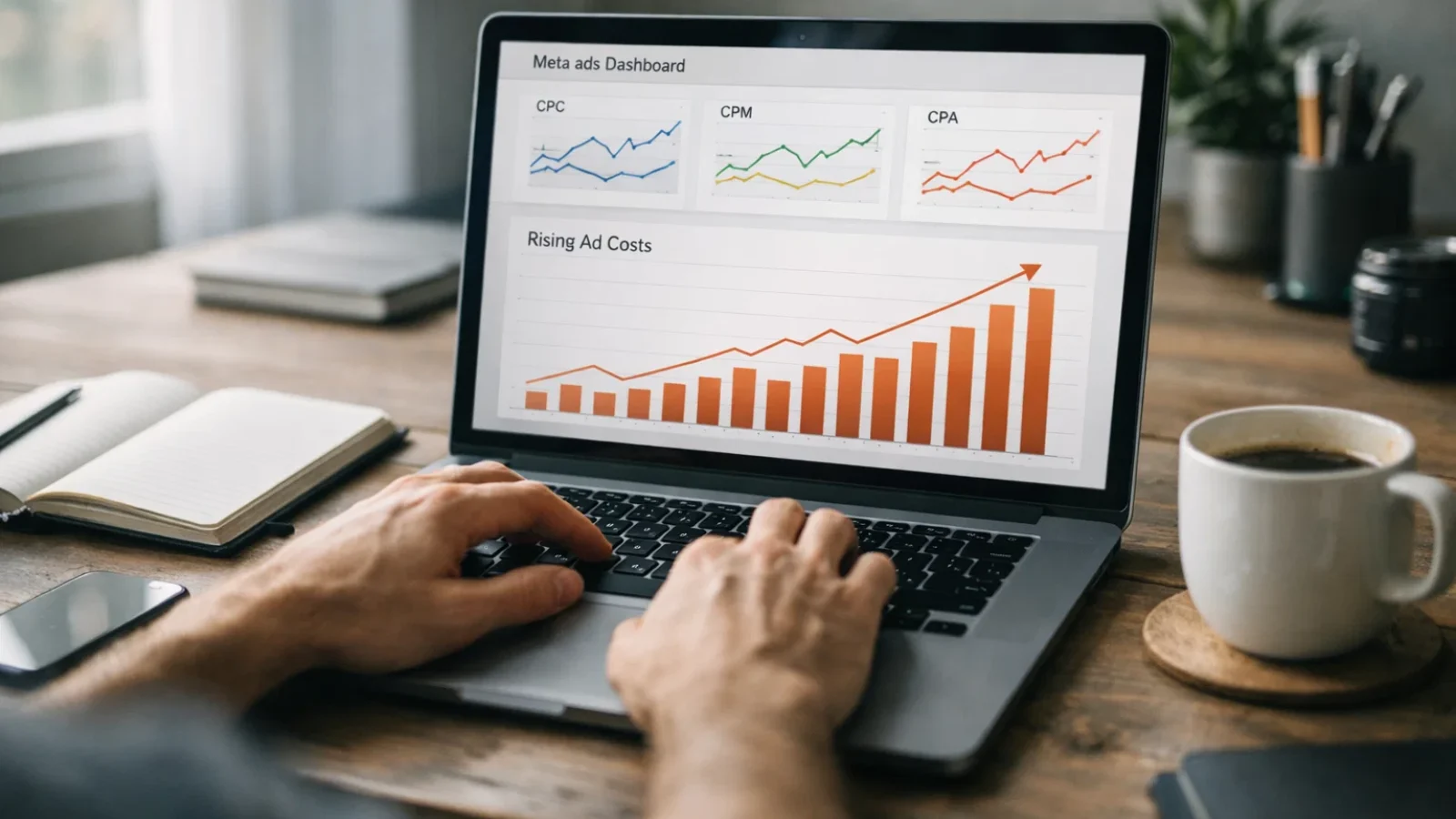
Rising ad costs are one of the biggest frustrations marketers talk about when running Meta campaigns. You launch ads, the budget starts moving immediately, and results often feel inconsistent. Some days, performance looks promising. On other days, the same campaign suddenly becomes expensive without a clear reason.
That uncertainty is what makes many advertisers question Facebook advertising itself.
The real question is not simply how much a Facebook ads cost . The real question is why costs change and what you can actually do to influence them. When you understand that, advertising stops feeling unpredictable.
This guide is designed to give you clarity that most surface-level articles miss. You will see realistic pricing benchmarks, understand what drives costs up or down, learn how to plan budgets without guessing, and discover practical ways to lower CPC and CPA without damaging performance.
You will also learn how competitive ad research tools, help marketers avoid expensive trial and error by studying what already works before spending money.
The goal is simple. Help you spend smarter, not just less.
Listen Aloud!
What Is Facebook Ads Cost?
Facebook ads cost refers to the amount you pay to show ads across Meta platforms, including Facebook, Instagram, Messenger, and Audience Network.
There is no fixed price. Every impression happens inside an auction where multiple advertisers compete for the same audience. The platform evaluates how much you bid, how likely people are to engage, and how good your ad experience is. Based on that combination, it decides which ad shows and what you pay.
That means two businesses targeting similar audiences can pay very different prices.
When advertisers do not understand how Facebook ads cost works, they either panic too early or scale too fast.
Cost knowledge helps you plan budgets realistically, forecast return on investment, decide when to scale, and explain performance with confidence. Without that understanding, you are reacting to numbers instead of managing them.
Average Facebook Ads Cost Benchmarks (2026)
Benchmarks are not promises. They are reference points that help you understand whether your performance is within a normal range.
Cost by Metric
Different metrics tell different stories about your campaign.
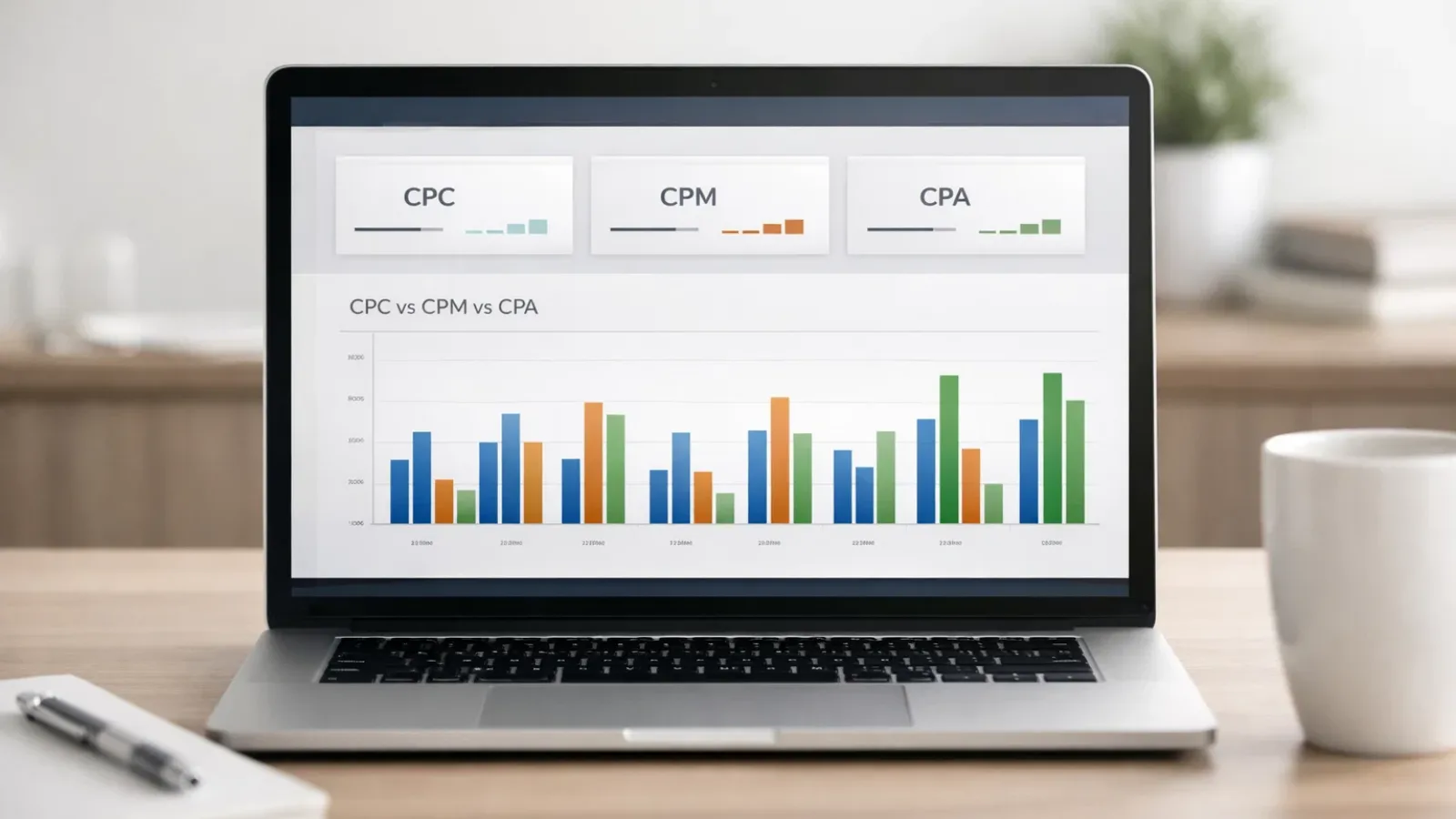
CPC measures how much you pay per click and reflects engagement strength. CPM reflects how expensive your audience is. CPA shows true business impact. CPL focuses on lead efficiency.
In 2026, many advertisers see CPC ranging roughly from $0.50 to $3 or more, CPM often between $8 and $25, and CPA varying widely depending on offer complexity. The variation is normal because buying intent differs.
The key insight is this. A higher CPC can still be profitable if conversion quality improves.
Cost by Campaign Objective
Your objective changes how Meta optimizes delivery.
Traffic campaigns usually generate cheaper clicks but lower buying intent. Conversion campaigns cost more per click yet often produce better revenue outcomes. Lead campaigns depend heavily on form friction, and app install campaigns fluctuate with market competition.
A simple example explains this well. Two brands spend the same budget. One runs traffic ads and gets many visitors. The other runs conversion ads and gets fewer clicks but more purchases. The second campaign often wins despite a higher CPC.
A common mistake is comparing CPC across objectives without considering outcomes.
Cost by Industry
Industry competition shapes costs more than platform averages.
E-commerce brands operate in crowded spaces but scale well with strong creativity. SaaS campaigns often see higher CPA because decisions take longer. Local businesses may experience moderate CPC but strong retargeting efficiency. Education campaigns typically face seasonal spikes.
Context matters more than averages.
Also Read
Understanding the mechanics behind pricing removes a lot of confusion.
The Meta Auction
Each time your ad is eligible to appear, Meta evaluates three things. Your bid, the probability someone will take action, and the quality of your ad experience.
You can win auctions without the highest bid if your ad performs well. Engagement acts like a discount over time.
Manual vs Automatic Bidding
Automatic bidding works well for most advertisers because the algorithm has more data than any single human. Manual bidding becomes useful when you have stable performance and strict cost ceilings.
Beginners often switch to manuals too early and accidentally limit delivery.
Why Cheap Ads Do Not Always Mean Good Ads
Low CPC can create a false sense of success. If cheap clicks do not convert, the campaign is inefficient even if the numbers look attractive on the surface.
One of the most common mistakes is chasing the lowest click cost instead of focusing on revenue metrics.
Key Factors That Influence Facebook Ads Cost
Costs change because multiple variables interact at once.
Audience Competition
When many advertisers target the same group, CPM increases. Expanding Facebook ads strategically can sometimes lower costs because the algorithm finds cheaper pockets of attention.
Creative Quality and Engagement
Creative performance has a direct impact on cost. Ads that hold attention and generate interaction usually become cheaper over time because Meta prefers positive user experiences.
Seasonality
During major shopping periods, competition intensifies and prices rise. Planning campaigns without considering seasonal demand often leads to surprises.
Campaign Objective
Objectives signal intent to the algorithm. Higher intent audiences typically cost more because they are more valuable.
Placement and Format
Short-form video continues to perform strongly. Poor formatting or platform mismatch reduces engagement and increases cost.
Account Learning Phase
Campaigns need stability to learn. Frequent edits reset learning and often raise cost temporarily.
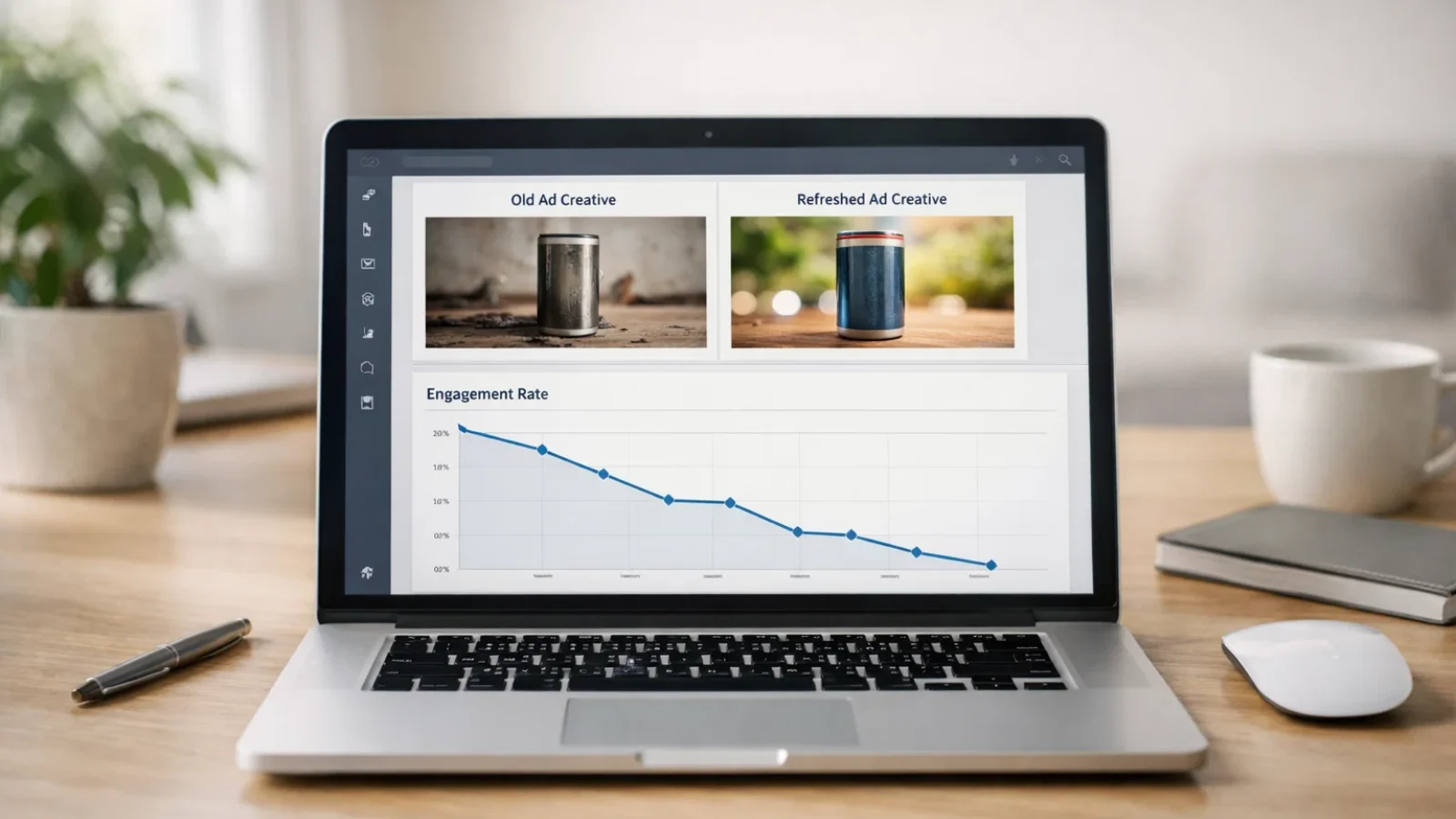
A practical example illustrates this. A brand refreshed tired creatives instead of changing targeting and saw a noticeable drop in CPC within weeks.
How Much Budget Do You Really Need?
Budget planning is where many advertisers either hesitate or overspend.
Beginner Budget Range
Testing requires enough effort to generate meaningful data. Small daily budgets rarely provide clarity because the algorithm cannot learn quickly.
A realistic testing range allows you to evaluate multiple creatives and audiences without drawing premature conclusions.
Scaling Budget Framework
Scaling works best when performance stabilizes. Gradual increases help maintain efficiency while expanding reach. Jumping budgets too quickly often disrupts performance.
Budget by Business Type
Ecommerce brands need room for creative testing. SaaS requires patience because conversions take longer. Local businesses can start smaller but benefit heavily from retargeting.
A frequent mistake is scaling before confirming that the offer and creative truly work.
How to Reduce Facebook Ads Cost Affects Performance
Lowering costs is not about shortcuts. It is about better decisions.
Improve Creative First
Creative influences cost more than targeting in many cases. Testing different hooks, messaging angles, and formats produces a bigger impact than minor visual tweaks.
Audience Expansion vs Narrowing
Overly narrow audiences increase competition. When creativity is strong, broader targeting often reduces cost while maintaining performance.
Retargeting Cost Efficiency
Retargeting usually produces stronger conversion rates because the audience already knows your brand. The limitation is scale, so it works best alongside prospecting.
Testing Framework
Effective testing focuses on different ideas rather than tiny changes. Changing the promise, angle, or storytelling often produces clearer learning.
Using Competitor Insights with PowerAdSpy Studying competitor ads before launching helps reduce expensive experimentation. With PowerAdSpy, marketers can observe which creatives run longest, which formats dominate a niche, and where saturation is happening.
A simple pattern appears repeatedly. Brands that research first waste less budget. They adapt proven concepts instead of starting from zero, which often leads to lower CPC and faster optimization.
Hidden Truths About Facebook Ads Cost Most Blogs Do Not Explain
Some cost dynamics become obvious only after experience.
Competition becomes smarter over time. As more advertisers use AI and data tools, baseline CPM gradually rises.
Creative fatigue costs more than bidding in many cases. When audiences stop responding, prices increase even if targeting stays the same.
Too much manual intervention can disrupt algorithm learning. Sometimes doing less produces better stability.
Scaling almost always increases cost slightly because you move into less responsive audience segments. The goal is managing that increase, not eliminating it.
Facebook Ads Cost Trends and Predictions (2026 and Beyond)
Advertising is becoming more creatively driven. AI is increasing the volume of ads, which raises competition but also improves optimization speed.
Short-form video continues to dominate attention. First-party data is becoming essential as tracking evolves. CPM is trending upward, yet conversion technology is improving, which helps maintain profitability for disciplined advertisers.
Understanding these trends allows you to plan instead of react.
Step-by-Step Framework to Plan Your Facebook Ads Budget
A structured approach removes guesswork from budgeting. Instead of choosing random numbers, you work through a sequence that connects goals, benchmarks, testing, and scaling.
First, define your primary goal and the key metric that determines success. That might be cost per purchase, cost per lead, or return on ad spend.
Next, review realistic benchmark ranges for your industry so expectations stay grounded. After that, calculate a testing budget that allows multiple creatives and audiences to gather data.
Validation comes before scaling. Watch engagement, conversion signals, and consistency before increasing spend. Once performance stabilizes, optimization becomes ongoing through data analysis and competitor research. Scaling then happens gradually rather than impulsively.
Quick Checklist
Before launching or scaling, confirm that your objective is clear, at least three to five creatives are ready, audience testing is planned, tracking is functioning correctly, competitor research is complete, and an optimization timeline is defined.
This checklist prevents reactive decision-making.
Conclusion
Facebook ad costs are not random. It reflects competition, creative strength, audience strategy, and how campaigns are managed over time.
When you understand benchmarks, cost drivers, optimization methods, and scaling principles, advertising becomes more predictable. You stop chasing cheap clicks and start focusing on meaningful outcomes.
Instead of guessing budgets, analyze what already works in your market. Study successful creatives, understand saturation, and plan spending based on evidence.
Using competitive insight platforms such as PowerAdSpy allows marketers to reduce risk, discover proven approaches, and scale with more confidence.
The advertisers who win are not the ones who spend the most. They are the ones who learn before they spend.
FAQ
How much do Facebook ads cost per day?
Daily budgets vary widely, but many advertisers begin testing between ten and fifty dollars per day. Larger campaigns scale based on data rather than arbitrary numbers.
Why are my Facebook ads so expensive?
Costs usually increase due to creative fatigue, heavy competition, narrow targeting, poor conversion experience, or seasonal demand spikes.
What is a good CPC for Facebook ads?
There is no universal benchmark. A good CPC depends on how well clicks convert into revenue or qualified leads.
How can beginners reduce ad costs quickly?
Focus on creative testing, allow campaigns to learn, avoid constant edits, and research competitors before launching.
How much does it cost for Facebook ads?
Facebook ads have no fixed price. Most advertisers pay around $0.50 to $3 per click and $8 to $25 CPM, depending on audience, industry, and campaign goal. Many businesses start testing with $10 to $50 per day and scale after seeing results.