How To Set A Facebook Ad Budget That Actually Converts?
Running Facebook ads without a clear Facebook ad budget strategy is a bit like driving with your eyes closed. You might move forward, but you have no idea where you are going or how much the crash will cost you. Whether you are a startup testing your first campaign or a seasoned marketer scaling a proven offer, the way you plan, set, and manage your Facebook campaign budget determines how far your ad spend takes you.
This guide walks you through everything you need to know about Facebook ad budget planning, from the basics to advanced strategies that actually move the needle.
Hit ‘Play’ Button & Tune Into The Blog
What Is Facebook Ad Budget?
A Facebook ad budget is the amount of money you decide to spend on showing your ads to your target audience. It acts as a cost control tool, helping you manage how much you spend on a campaign or ad set while Facebook handles the delivery of your ads.
Instead of just limiting total spend, the budget also influences how frequently and widely your ads are shown. Facebook uses this amount to optimize ad delivery, ensuring your budget is spent in a way that aims to achieve the best possible results based on your campaign goal.
There are two main types of budgets:
- Daily budget: The average amount you’re willing to spend per day.
- Lifetime budget: The total amount you want to spend over the entire campaign duration.
Choosing the right budget type helps you control both your overall spending and your cost per result more effectively.
Daily Budget vs. Lifetime Budget: Which One Should You Choose?
Choosing between daily and lifetime budgets comes down to your campaign flexibility and scheduling needs.
A daily Facebook ad budget works best when you want consistent delivery day after day. It is ideal for evergreen campaigns that run continuously, such as lead generation or retargeting efforts.
A lifetime Facebook ad budget, on the other hand, gives Facebook more freedom to spend more on high-performing days and pull back on slower ones. This option pairs well with time-sensitive promotions or product launches where you need maximum reach within a defined window.
If you are just starting out, a daily Facebook campaign budget gives you better control and makes it easier to pause or adjust without losing momentum. Advanced advertisers often switch to lifetime budgets once they have enough data to trust the algorithm.
To plan your spend efficiently, try using a Facebook ad budget calculator. It helps you determine how much to allocate daily or over the campaign lifetime based on your goals, audience size, and campaign duration.
How Much Should Your Facebook Ad Budget Be?
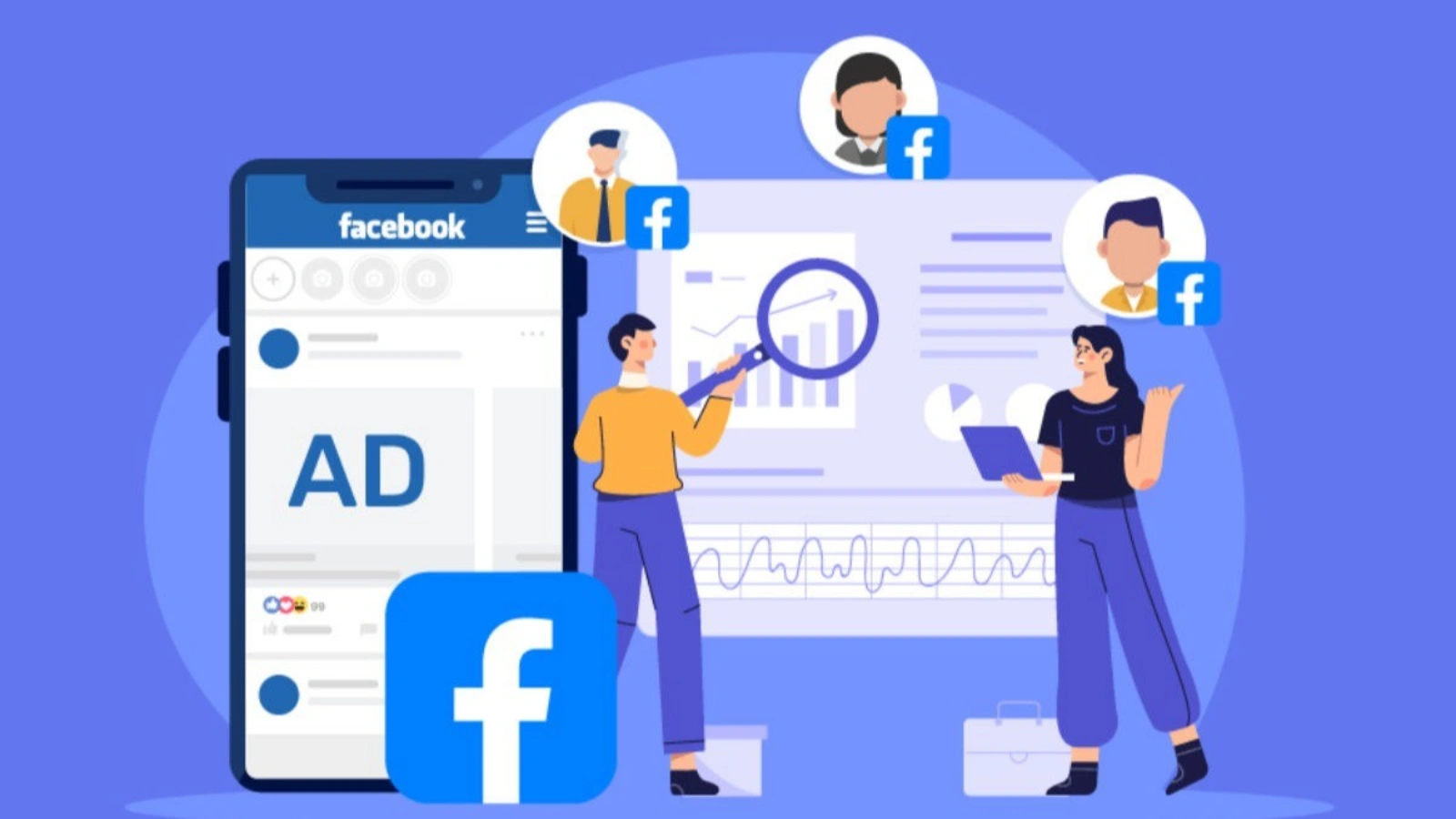
This is the question every advertiser asks, and the honest answer is “it depends.” Your Facebook ad budget should reflect your business goals, your audience size, your industry’s average cost-per-click, and how quickly you need results.
A common starting benchmark is spending at least five times your target cost per result per day. If you want to generate leads at $10 each, start with a minimum daily Facebook campaign budget of $50. This gives the algorithm enough room to learn, test, and optimize delivery.
Smaller budgets often lead to the learning phase taking longer, which delays meaningful results. Be patient in the beginning, but stay watchful. Monitor your cost per result and make adjustments once you see a pattern forming.
To simplify planning, you can use a Facebook ad budget template. It helps you map out your daily or lifetime spend, track goals, and ensure your campaigns stay on track without guesswork.
Also Read:
Facebook Ads Cost 2026: Budget, Benchmarks, Reduce Spend
Effective Facebook Ad Targeting: How to Reach Your Audience
What Is Campaign Budget Optimization And How Does It Work?
Campaign Budget Optimization, now called Advantage Campaign Budget, is Facebook’s way of taking budget decisions out of your hands and putting them into the algorithm. Instead of managing spend at the ad set level, you set one budget at the campaign level and let Facebook figure out the rest.
- Budget distribution Facebook automatically shifts spend across multiple ad sets in real time, always pushing more budget toward whichever ad set is delivering the best results at that moment.
- Best use case: CBO performs well when you have multiple ad sets competing for the same outcome, and you trust the platform’s algorithm to make smart decisions without your constant input.
- The overfunding problem: One common downside is that CBO can heavily favor one ad set while starving others of delivery, which skews your data and leaves some audiences completely undertested.
- Manual budgets for testing: If you are in the early testing phase and need equal data across all ad sets, setting budgets manually per ad set gives you cleaner and more reliable insights.
- The right time to switch: Once you have identified proven audiences and winning creatives, CBO becomes a powerful tool to maximize results and scale efficiently without micromanaging every ad set.
Why Competitor Research Is The Secret To A Smarter Facebook Ad Budget?
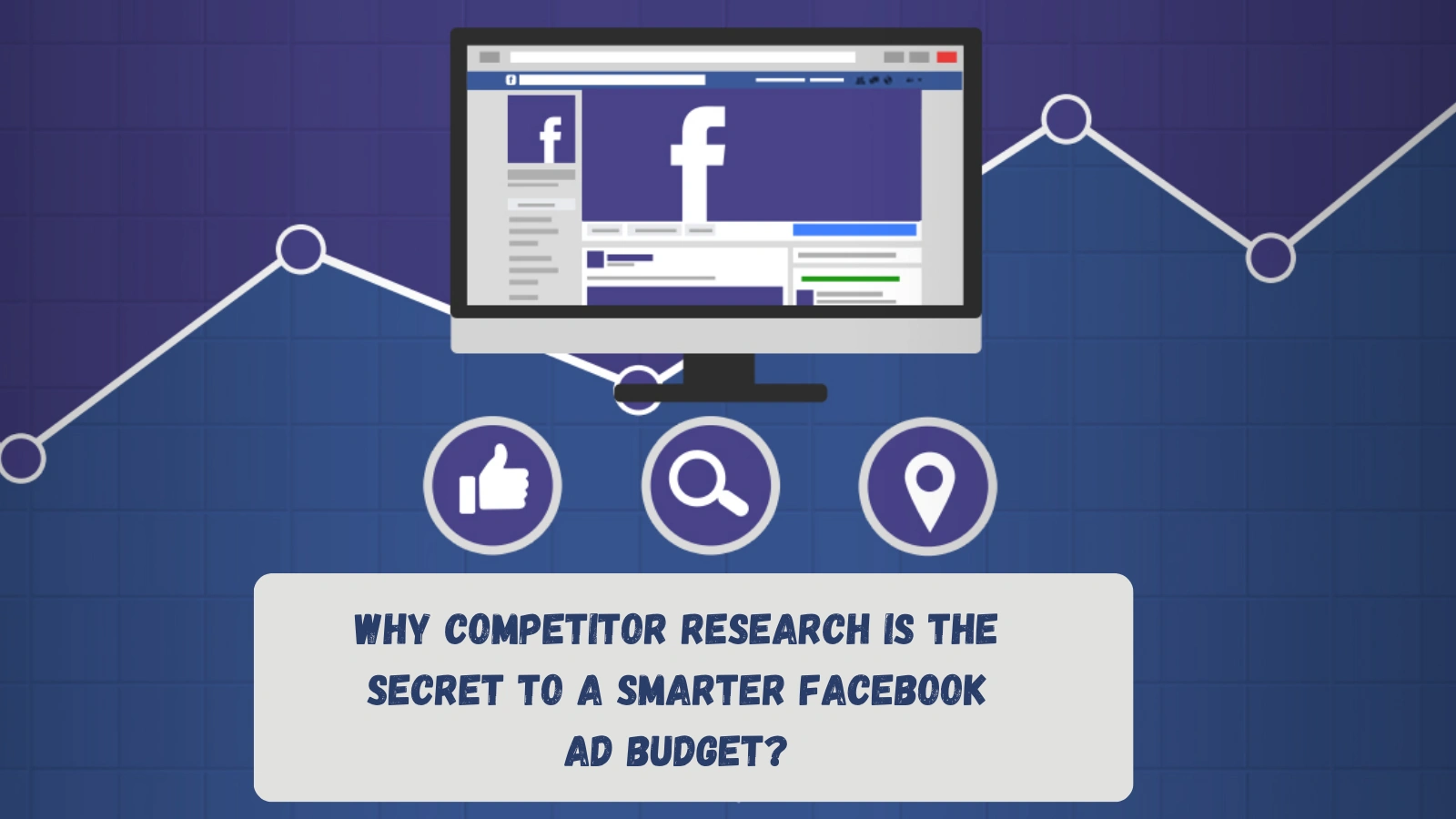
One of the smartest ways to optimize your Facebook campaign budget is to study what your competitors are doing. If you know which ad creatives, formats, and offers are working in your niche, you can avoid wasting your budget on ideas that are unlikely to convert.
This is exactly where a tool like PowerAdSpy becomes a game-changer. PowerAdSpy is an advanced social ads intelligence platform that lets you research millions of live and historical ads across 100+ countries. Instead of guessing what might work, you can see what is already working in your market and model your campaigns accordingly, saving both time and valuable Facebook campaign budget.
When you build your facebook ad budgets around creatives and audiences that are proven performers, your return on ad spend improves significantly from the very first campaign.
Why Is PowerAdSpy The Ultimate Competitive Edge For Facebook Advertising?
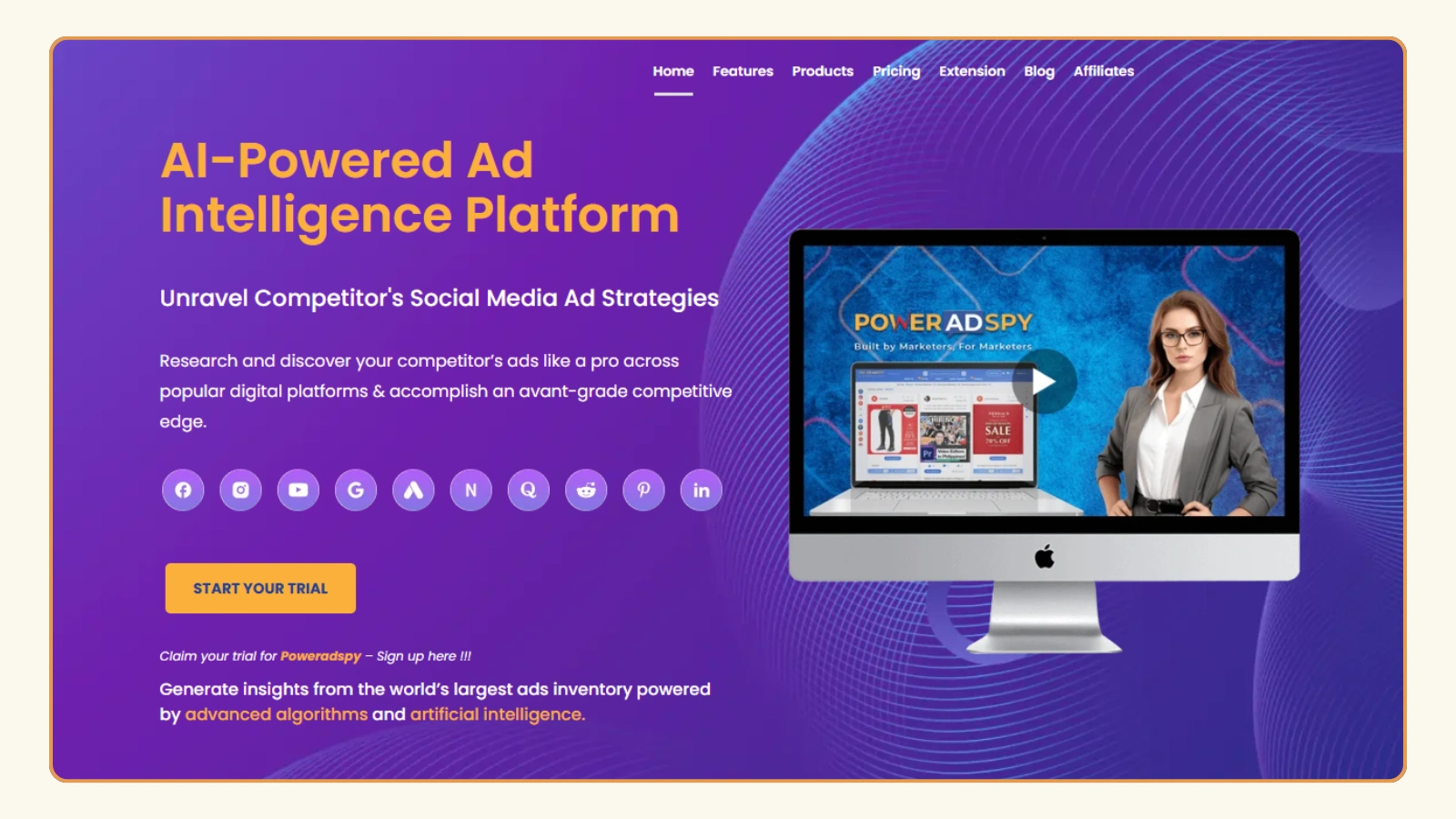
Every dollar of your Facebook campaign budget carries more weight when it is backed by real data. PowerAdSpy is built specifically to give advertisers that data advantage. Here is what makes it a must-have tool for any serious Facebook advertiser:
Data from Millions of Ads across 100+ Countries:
PowerAdSpy has the fastest-growing database in the industry, with millions of ads collected from over 100 countries. Fresh ads are added every single day. This means you always have access to the latest trends and winning campaigns relevant to your niche, so you never have to blindly test with your Facebook campaign budget.
Filter by Ad Position:
You can segment ads by placement, News Feed, or Side Location, to see which positions drive the best conversions in your niche. This helps you focus your Facebook campaign budget on placements that are already delivering results for similar businesses.
Complete Visibility with Live Ad Posts:
PowerAdSpy allows you to visit live ad posts directly from the platform. You can check real-time engagement metrics and read audience comments to understand how people respond to specific creatives.
This level of transparency helps you make informed decisions about where your ad budget Facebook is best spent.
Powerful Keyword and Competitor Search:
Search for ads using niche-specific keywords, advertiser names, or competitor domains. You can then sort results by date, likes, shares, and comments to instantly find the top-performing ads. Knowing what your competitors are running helps you refine your strategy and allocate your Facebook campaign budget to ideas with proven traction.
GEO-Targeting Insights:
PowerAdSpy delivers precise geo-targeting data, showing you exactly which regions your competitors are targeting. This is invaluable when deciding how to distribute your Facebook campaign budget across different geographic segments.
Call-to-Action Sorting and Engagement Details:
The platform lets you filter ads by their call-to-action buttons and engagement metrics. Understanding which CTAs drive the most interactions in your niche can dramatically improve your click-through rates, making every dollar of your Facebook campaign budget work harder.
Video and Image Ad Library:
PowerAdSpy has one of the fastest-growing video ad libraries available. Since video ads consistently outperform static images on social platforms, having access to this library gives you inspiration and direction without exhausting your Facebook ad budget on trial and error.
Bookmark Your Best Finds:
Found an ad concept you love? Bookmark it with a single click. PowerAdSpy saves it to your personalized ads inventory so you can refer back to it when planning your next campaign; no repeat searching is required.
How To Scale Your Facebook Ad Budget Without Losing Efficiency?
Scaling your Facebook ad budget is not as simple as doubling your spend and expecting double the results. To maintain effective Facebook ads, it is important to understand that Facebook’s algorithm needs time to adjust, especially when campaigns re-enter the learning phase after significant changes.
The safest scaling method is a gradual increase, typically no more than 20 to 30 percent every three to five days.
Horizontal scaling means duplicating your winning ad sets into new audiences rather than increasing spend on existing ones. This approach protects your Facebook campaign budget by keeping each ad set in a stable learning phase while expanding your reach simultaneously.
Vertical scaling means increasing the budget on a single ad set. It works best when an ad set is well past the learning phase and consistently delivering profitable results. Even then, keep increases gradual to avoid disrupting the algorithm’s delivery pattern.
What Are Some Common Facebook Ad Budget Mistakes To Avoid?
Even experienced advertisers fall into predictable traps when managing their facebook ad budget. Here are the most common ones:
Killing campaigns too early:
Facebook needs data to optimize. Turning off campaigns during the learning phase, usually before 50 conversions, is one of the biggest reasons advertisers waste their Facebook campaign budget without ever seeing real results.
Spreading the budget too thin:
Running too many ad sets with a limited Facebook campaign budget fragments your data and prevents any single ad set from exiting the learning phase. Consolidate where you can.
Ignoring creative testing:
Great creative drives down your cost per result. If you only test one or two creatives, your facebook ad budget is not working as efficiently as it could be. Always keep fresh creative in rotation.
Making daily changes:
Every time you edit an active campaign, you risk resetting the learning phase. Make changes based on trends, not daily fluctuations, to protect your facebook ad budget from unnecessary disruption.
How Do You Track and Measure Your Facebook Ad Budget Performance?
Managing an ad budget without tracking is simply guesswork. The right metrics and tools tell you exactly where your money is working and where it is being wasted.
- Cost per result: Always track how much you are paying for each desired outcome, whether that is a lead, purchase, or sign-up. This is your clearest indicator of campaign efficiency.
- Return on ad spend (ROAS): Measures how much revenue you generate for every dollar spent. A healthy ROAS tells you your budget is being allocated toward profitable outcomes
. - Cost per thousand impressions (CPM): Tracks how much it costs to reach 1000 people. Rising CPM signals increased competition or audience fatigue, both of which demand immediate attention.
- Click-through rate (CTR): A low CTR means your creative or messaging is not resonating. Fix the creative before increasing spend, not after.
- Set up Facebook Pixel: Without Pixel on your website, Facebook cannot optimize for real business outcomes. It will only target surface-level events like clicks or video views, wasting your budget on unqualified traffic.
- Weekly performance reviews: Build a consistent habit of reviewing results every week. Look for patterns across ad sets, creatives, and audiences to understand what is truly driving results.
- Shift budget toward winners: Once patterns emerge, move spend decisively toward top performers and cut underperforming ad sets without hesitation or delay.
Does Budgeting Discipline Go Beyond The Ads Manager?
Managing ad spend requires the same structured thinking you apply to any serious business commitment. Just as you review a contract template for employment before hiring, every budget decision needs clear terms and accountability.
When you understand what is an employment contract, you realize financial commitments need defined expectations. A contract of employment in marketing often ties directly to ad results, and as contract employment opportunities grow, more businesses are hiring dedicated media buyers to own that responsibility entirely.
Final Thoughts
Your Facebook ad budget is not just a line item in a marketing spreadsheet; it is an investment that should generate a measurable return. Every decision around how to set, allocate, and scale that budget should be grounded in data, not instinct.
Use tools like PowerAdSpy to take the guesswork out of creative direction. Study competitor campaigns, understand what your audience responds to, and build a Facebook ad budget strategy that evolves as your data grows.
Start conservatively, test systematically, and scale confidently. The advertisers who win on Facebook are not necessarily the ones with the biggest budget; they are the ones who spend it wisely. Even if you’re working with a Facebook ads minimum daily budget, strategic planning and smart allocation can deliver meaningful results.
With the right mindset, the right tools, and a well-structured Facebook ad budget, you have everything you need to build campaigns that deliver real, lasting results.
FAQs
Q1. What exactly is a Facebook ad budget?
It’s the maximum amount you’re willing to spend on a campaign. The platform never exceeds this limit, keeping costs controlled.
Q2. How much should I spend when starting out?
A good rule is 5x your target cost per result daily. For a $10 lead goal, begin with at least $50 per day.
Q3. What is the difference between daily and lifetime budget?
Daily spends a fixed amount each day. Lifetime gives Facebook the flexibility to spend more on high-performing days automatically.
Q4. When is the right time to scale ad spend?
Once your ad set exits the learning phase and shows consistent results, increase spend by 20–30% every 3–5 days.