How To Master Programmatic Advertising And Win More Clicks?
The way brands buy and sell digital ad space has changed dramatically over the past decade. Gone are the days of manual negotiations, lengthy email chains, and slow campaign setups. Today, programmatic advertising has become the backbone of modern digital marketing, and for good reason.
If you want to stay competitive in the digital space, understanding the mechanics, platforms, and strategy behind programmatic advertising is no longer optional. It is essential.
Listen To The Podcast Now!
What Is Programmatic Advertising?
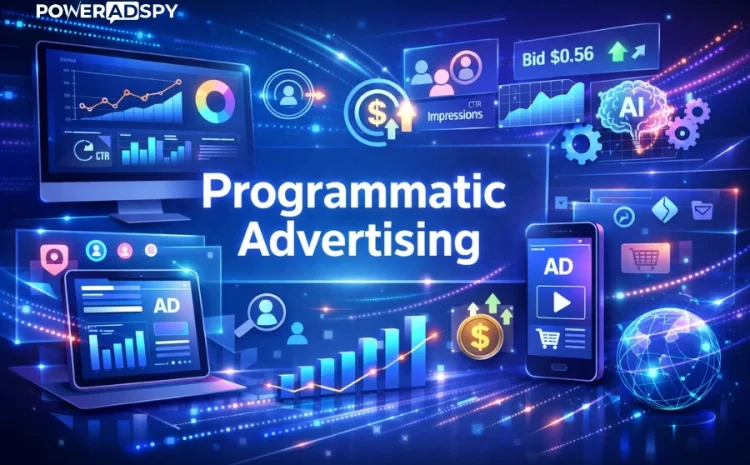
Simply put, it is the automated buying and selling of digital ad inventory using software and real-time data. Instead of human negotiation, algorithms handle the entire process, identifying the right audience, bidding on ad placements, and delivering the ad, all within milliseconds.
This approach removes the inefficiency of traditional media buying. Advertisers no longer need to manually contact publishers, agree on pricing, and wait for campaigns to go live. The technology handles everything, making the process faster, more precise, and far more scalable.
For businesses of any size, programmatic advertising opens the door to precision targeting at a scale that was previously only available to massive brands with enormous budgets.
How Does Programmatic Advertising Work?
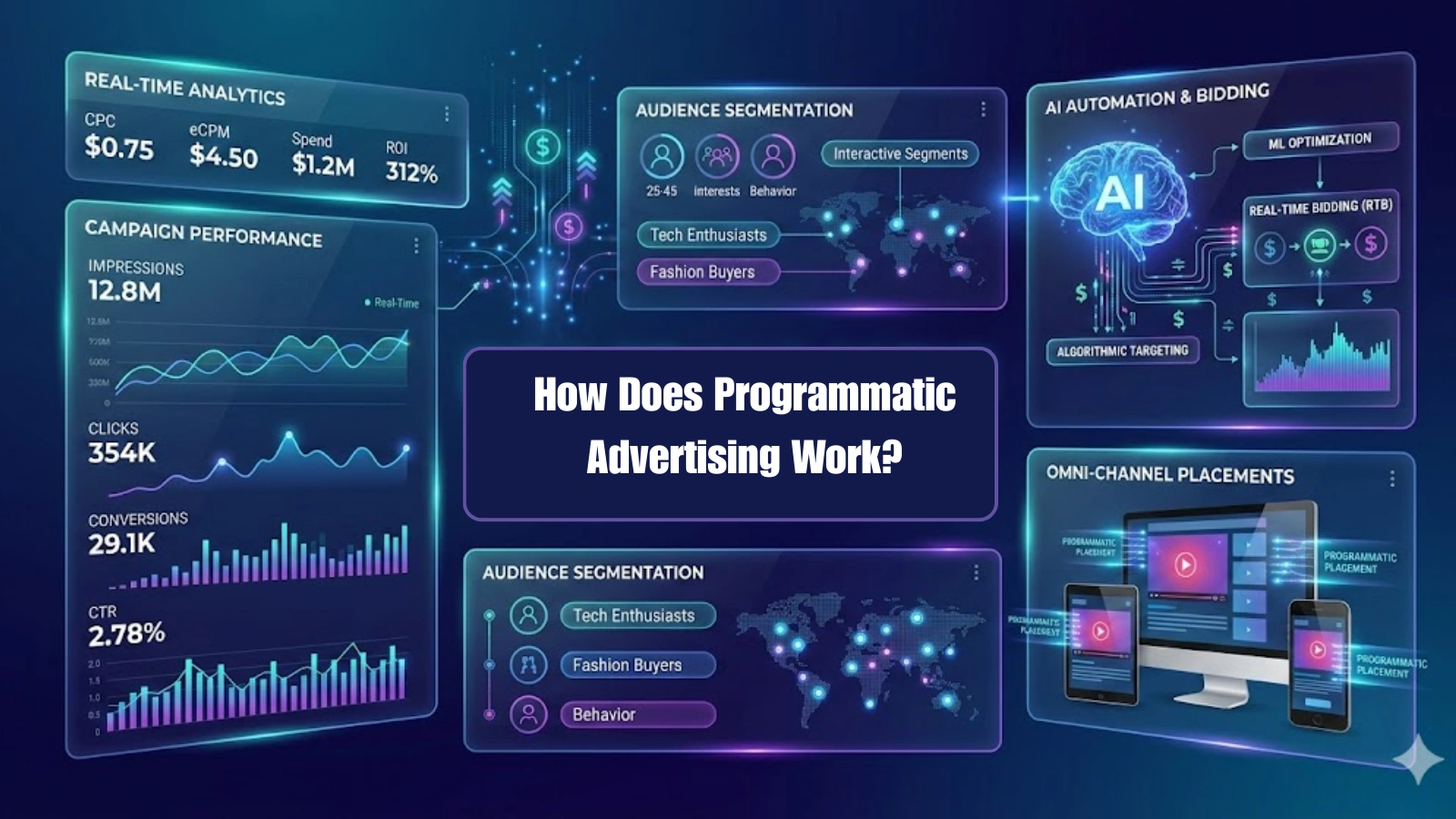
The mechanics are surprisingly straightforward once you break them down. The process involves several key players and technologies operating together in real time.
When a user visits a website, the publisher’s ad server sends a bid request to an ad exchange. This request includes details about the user’s location, browsing behavior, device type, and more. Advertisers who want to reach that specific type of user then place bids through their Demand-Side Platforms (DSPs). The highest bidder wins the impression, and the ad is instantly delivered to the user’s screen.
This entire cycle happens in roughly 100 milliseconds faster than the blink of an eye.
Here is a simplified breakdown of the key components:
- DSP (Demand-Side Platform): Used by advertisers to manage bids and campaigns across multiple ad exchanges.
- SSP (Supply-Side Platform): Used by publishers to manage and sell their inventory.
- Ad Exchange: The marketplace where DSPs and SSPs meet to transact.
- DMP (Data Management Platform): Stores and processes audience data used for targeting.
Together, these components form the infrastructure that makes programmatic advertising one of the most efficient forms of digital marketing available today.
Also Read:
All You Need To Know About Programmatic Ads
The Different Buying Models
Programmatic advertising is not a single method. It encompasses several buying models, each suited to different campaign goals.
Real-Time Bidding (RTB): The most common form of this advertising method. Impressions are auctioned off in real time through open exchanges. Any qualified advertiser can participate.
Private Marketplace (PMP): A more exclusive setup where publishers invite specific advertisers to bid on premium inventory.
Programmatic Direct: Advertisers buy guaranteed impressions directly from publishers at a fixed price, without an auction.
Preferred Deals: A one-on-one arrangement where the advertiser gets first access to inventory at a negotiated price before it enters the open auction.
Each model serves a different purpose. RTB is ideal for reach and scale. PMP and direct deals are better suited for brand safety and premium placements.
What Makes Programmatic Display Advertising So Powerful?
This format refers to the automated buying of visual ad formats, such as banners, rich media, interstitials, and more, across websites and apps. It is the most widely recognized format in the ecosystem and continues to grow year over year.
What makes it so effective is the ability to combine creative visuals with precision data. Rather than blasting a banner to every visitor on a site, advertisers can target only those who match specific behavioral, demographic, or contextual criteria.
Retargeting is one of the most powerful applications here. If a user visited your product page but did not convert, you can serve them a tailored display ad on other websites, keeping your brand top of mind and nudging them back toward a purchase.
Dynamic creative optimization (DCO) takes this even further. Ads automatically adjust their content based on user data. A travel brand, for example, can show different destinations to users based on their recent search behavior all handled automatically by the system.
Where Does Programmatic Advertising Actually Happen?
These tools bring the entire ecosystem together. Both advertisers and publishers rely on them to run, optimize, and monitor their campaigns at scale.
Some of the most widely used options include:
- Google Display & Video 360 (DV360): One of the most comprehensive solutions available. It integrates with Google’s entire ecosystem and offers powerful audience targeting across display, video, and connected TV.
- The Trade Desk: A popular DSP known for its transparency, cross-channel capabilities, and strong data partnerships.
- Amazon DSP: Ideal for brands looking to leverage Amazon’s rich shopper data to reach high-intent audiences at scale.
- MediaMath: A well-established platform with strong optimization capabilities and flexible integrations.
- Xandr (formerly AppNexus): Offers deep marketplace access and sophisticated bidding algorithms suited for enterprise-level programmatic advertising campaigns.
Choosing the right platform depends on your budget, campaign goals, and the channels you want to reach whether that is display, video, connected TV, or audio.
Why This Approach Outperforms Traditional Media Buying?
Traditional media buying relied on gut instinct, broad audience assumptions, and slow manual processes. The shift to programmatic advertising changed all of that by introducing data, automation, and real-time optimization.
Here are the core advantages:
Precision Targeting:
Reach specific audiences based on intent, behavior, demographics, geography, and more. You stop wasting budget on people who will never convert.
Real-Time Optimization:
Campaigns adjust automatically based on performance signals. If an ad is underperforming, the system shifts budget toward better-performing placements without manual intervention.
Scale:
With access to thousands of publishers through a single interface, you gain reach that no single direct deal could ever match.
Transparency:
Detailed reporting shows you exactly where your ads appeared, who saw them, and how they performed down to the impression level.
Cost Efficiency:
Automated bidding ensures you never overpay for an impression. You define your parameters, and the technology handles the rest.
How Can Competitor Intelligence Help Sharpen Your Advertising Strategy?
Running programmatic advertising without knowing what your competitors are doing is like flying blind. To get ahead, you need to understand which creatives are working in your niche, what messaging resonates with your shared audience, and where competitors are allocating their budgets.
This is where ad intelligence tools become invaluable. One platform that advertisers are increasingly turning to is PowerAdSpy.
PowerAdSpy is an ad intelligence tool that lets marketers search, analyze, and study competitor ads across multiple channels. Whether you are planning a new programmatic advertising campaign, refining existing creatives, or exploring blog advertising opportunities to expand your reach, it gives you the data and inspiration needed to make smarter decisions faster.
By studying ads that are actively running and generating real engagement, you can identify patterns that strengthen your overall advertising strategy, from ad format and copy style to landing page structure and CTA placement.
How Can PowerAdSpy Give You A Real Edge Over Competitors?
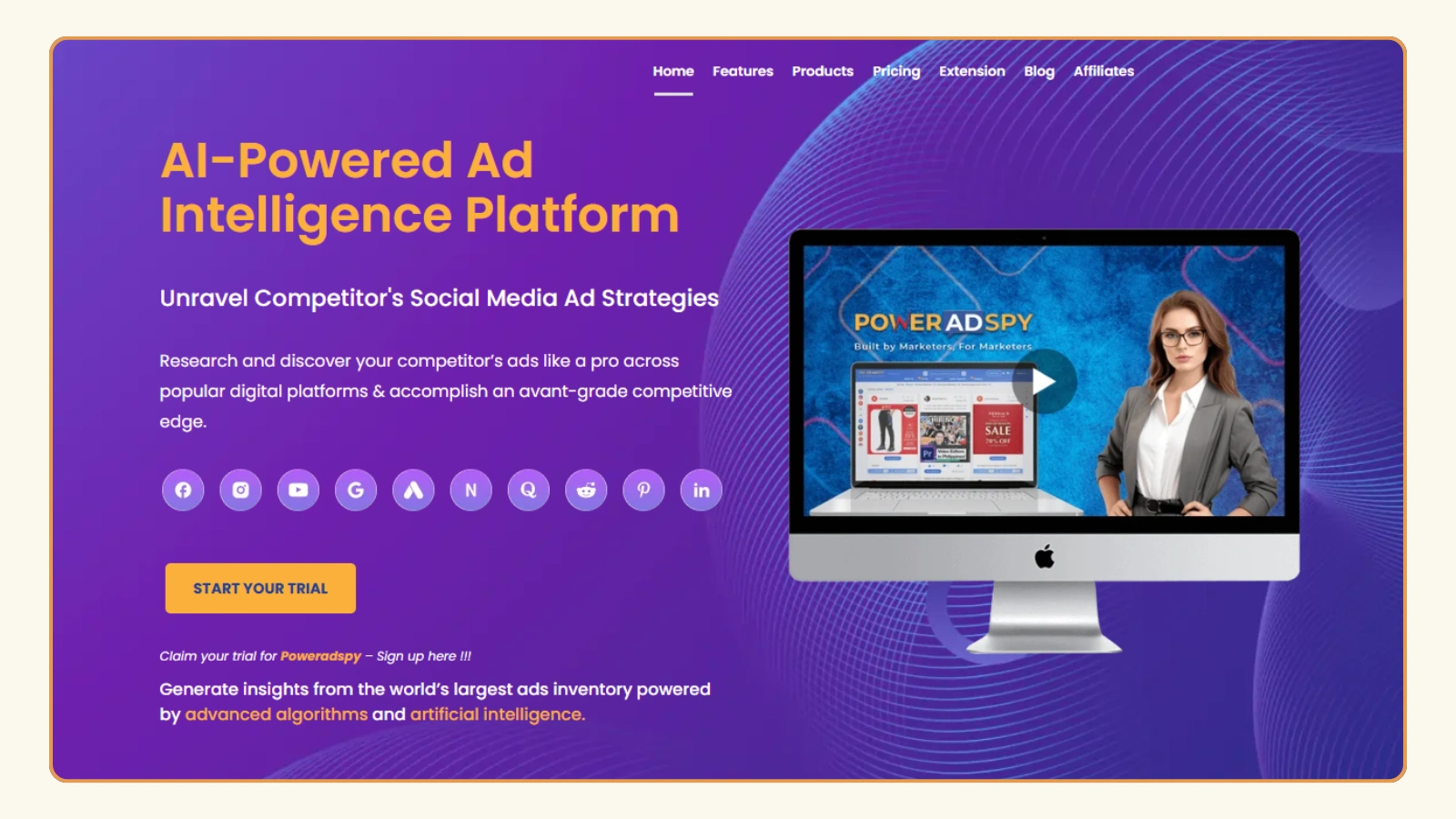
For advertisers serious about leveling up their campaigns, PowerAdSpy offers a suite of features built around deep competitive intelligence.
Search Ads by Keywords, Domains, and Advertisers:
PowerAdSpy lets you filter and search ads based on specific keywords, competitor domains, or advertiser names. You can instantly see what others in your niche are promoting and how they are structuring their campaigns, giving you a clear advantage when developing your own creatives.
Access to Millions of Ads Across 100+ Countries:
The platform maintains a fast-growing database spanning over 100 countries. This global reach is especially useful for brands running international campaigns, as you can uncover winning strategies from different regions and apply those learnings locally.
Smart Filtering and Segmentation:
Sort ads by placement position, call-to-action type, or engagement metrics. This level of segmentation helps you identify which specific ad formats are driving the most interaction for competitors, and use those insights to sharpen your own approach.
Live Ad Visibility and Real-Time Engagement Data:
PowerAdSpy provides direct access to live ad posts, including real engagement metrics such as likes, comments, and shares. Seeing which ads generate genuine buzz helps you understand what type of content truly connects with your target audience.
Bookmark Ads to Build Your Creative Vault:
Save standout ads to your personal library for future reference. This is especially useful when planning campaigns, as you always have a curated collection of high-performing examples ready to consult; no more starting from scratch every single time.
Geo-Targeting Intelligence:
PowerAdSpy shows you where competitors are focusing their efforts geographically. This insight helps you identify underserved or overlooked markets where you can gain a competitive edge with less competition, driving up costs.
Image and Video Ad Research:
Analyze both image-based and video creatives that are trending in your niche. You can even download video creatives for reference, making it easier to plan multimedia campaigns that align with current market demand and audience expectations.
Engagement-Driven Data:
Beyond impressions and clicks, PowerAdSpy highlights real engagement, which ads are generating conversations and community interaction. This helps you craft creatives that go beyond visibility and genuinely resonate with people.
Best Practices For Running Successful Campaigns
Even the best technology only delivers results when paired with a solid strategy. Here are the practices that consistently drive strong performance in programmatic advertising.
Define Your Audience First:
Before setting up a campaign, know exactly who you are targeting. The more precise your audience definition, the more efficient your spending will be.
Use Frequency Capping:
Showing the same ad to the same user repeatedly damages engagement and brand perception. Set frequency caps to keep your messaging fresh and non-intrusive.
Test Multiple Creatives:
This channel excels at A/B testing. Run multiple versions of your ad, different headlines, visuals, and CTAs, and let performance data guide your decisions.
Monitor Brand Safety:
Use whitelists and blacklists to control where your ads appear. You do not want your brand placed next to content that conflicts with your values or damages trust.
Leverage First-Party Data:
With third-party cookies being phased out, first-party data is becoming the most valuable targeting asset available. Build your data strategy now before the transition fully accelerates.
Continuously Optimize:
Set a weekly review cadence. Adjust bids, refresh creatives, and refine targeting based on what the data reveals. Treat your programmatic advertising campaigns as living systems that require consistent attention and regular iteration.
Also Read:
How Expert Blog Advertising Can Skyrocket Your Traffic?
The Future Of Programmatic Advertising
Programmatic advertising is evolving rapidly, and several key trends are shaping where the industry is headed.
- Connected TV (CTV) and Streaming: Automated ad buying is expanding beyond web and mobile into CTV, letting brands reach streaming audiences with the same data-driven precision as traditional digital campaigns.
- AI-Powered Optimization: Machine learning is becoming more deeply embedded in bidding and creative tools, making real-time decisions smarter and reducing the burden of manual campaign management.
- Cookieless Targeting: With third-party cookies on their way out, digital advertising is shifting toward contextual targeting, first-party data, and privacy-preserving identity solutions like unified ID frameworks.
- Retail Media Networks: Retailers such as Amazon, Walmart, and Target are building their own data ecosystems powered by purchase behavior, opening new opportunities for precise targeting at the exact point of purchase intent.
- Audio and Podcast Advertising: Automated buying is expanding into audio, allowing brands to reach listeners on streaming platforms with targeted, highly contextual messages.
These shifts signal that programmatic advertising will continue to grow in both sophistication and reach. Brands that invest in understanding these changes now will be far better positioned to adapt and lead as the landscape evolves.
Final Thoughts
Programmatic advertising has fundamentally changed how digital campaigns are planned, bought, and optimized. It gives advertisers unmatched control over who sees their ads, when, and where, all driven by real-time data rather than guesswork.
Whether you are just getting started or looking to refine an existing approach, the key is combining the right technology with strong competitive intelligence. Tools like PowerAdSpy make it easier to understand what is already working in your market, giving you a meaningful head start in building campaigns that deliver real, measurable results.
The brands winning in digital today treat programmatic advertising not just as a media-buying channel, but as a full strategic advantage that compounds over time. With the right approach, the right platforms, and the right intelligence behind you, programmatic advertising absolutely can be yours too.
FAQs
Q1. What is programmatic advertising and how is it different from traditional advertising?
Programmatic advertising is the automated buying and selling of digital ad inventory using real-time data and algorithms. Unlike traditional advertising, which relies on manual negotiations and fixed placements, programmatic advertising uses technology to match the right ad to the right user at the right moment making it faster, more precise, and more cost-efficient.
Q2. How does programmatic advertising work step by step?
When a user visits a website, the publisher sends a bid request to an ad exchange with details about the user. Advertisers then bid for that impression through their DSP. The highest bidder wins, and the ad is delivered to the user’s screen all within milliseconds. This process is called Real-Time Bidding (RTB) and forms the core of how most programmatic campaigns operate.
Q3. What are the best programmatic advertising platforms for beginners?
Some of the most beginner-friendly programmatic advertising platforms include Google Display & Video 360 (DV360), The Trade Desk, and Amazon DSP. DV360 is especially popular for those already using Google’s ecosystem, as it offers a familiar interface with powerful targeting and reporting capabilities.
Q4. How much does programmatic advertising cost?
Programmatic advertising does not have a fixed cost. Pricing is determined through real-time auctions, and you typically pay on a CPM (cost per thousand impressions) basis. Budgets can range from a few hundred dollars for small campaigns to thousands for large-scale efforts. The key advantage is that automated bidding ensures you never overpay for an impression.