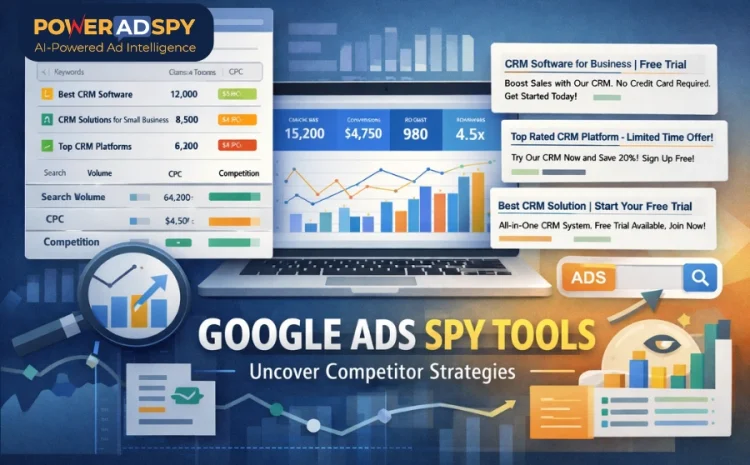
Google Ads Spy Tools: Step-by-Step Guide
Your competitors are not guessing their way through Google Ads.
They are testing headlines, refining keywords, and scaling what works.
You are operating with limited visibility if not analyzing their campaigns. Google Ads spy tools provide the ability to uncover competitor strategies without wasting budget on trial and error.
In this guide, you will learn how these tools work, how to use them step by step, and how to turn insights into profitable campaigns. You will also see how platforms like PowerAdSpy support structured competitor research without overwhelming your workflow.
Listen To The Podcast Now!
What Are Google Ads Spy Tools?
Google Ads spy tools are platforms that collect and organize competitor advertising data. They help you analyze keywords, ad copy, landing pages, and campaign patterns across search and display networks. Paid advertising is competitive and data-driven, and that is why these tools matter.
Instead of guessing what converts, you can observe real ads already running in your niche. They are useful for:
- Media buyers
- Agencies
- E-commerce brands
- Affiliate marketers
- SaaS companies
If you invest in paid search, competitive intelligence is not optional. It is strategic leverage.
Why Competitor Research in Google Ads Matters
Without research, cost increases per click and lowers return on ad spend. Competitor research helps you:
- Identify profitable keywords
- Discover messaging angles
- Understand offer positioning
- Spot seasonal trends
- Avoid saturated bidding wars
For example, if a competitor runs the same headline variation for months, it likely performs well. That insight alone can guide your testing roadmap. The mistake many advertisers make is copying blindly.
The goal is not imitation. The goal is strategic adaptation.
What Are Google Ads Spy Tools?
Google Ads spy tools are platforms that collect and organize competitor advertising data. They function as competitive intelligence systems for paid search marketers. They help you analyze keywords, ad copy, landing pages, and campaign patterns across search and display networks. Paid advertising is competitive and data-driven, and that is why these tools matter.
Instead of guessing what converts, you can observe real ads already running in your niche. Most advanced tools gather data through ad crawling, keyword monitoring, and engagement tracking systems.
This allows advertisers to identify patterns across industries and markets. They are useful for:
- Media buyers
- Agencies
- E-commerce brands
- Affiliate marketers
- SaaS companies
If you invest in paid search, competitive intelligence is not optional. It is strategic leverage. Without research, every campaign becomes an expensive experiment.
Why Competitor Research in Google Ads Matters
Without research, cost per click increases and return on ad spend declines. Competitive bidding environments reward informed advertisers. Competitor research helps you:
- Identify profitable keywords
- Discover messaging angles
- Understand offer positioning
- Spot seasonal trends
- Avoid saturated bidding wars
It also helps you anticipate shifts before they impact your performance.
For example, if a competitor runs the same headline variation for months, it likely performs well. If they frequently change ads, they may still be testing for optimization.
That insight alone can guide your testing roadmap. The mistake many advertisers make is copying blindly. The goal is not imitation but strategic adaptation. Understanding why something works matters more than replicating it.
Step 1: Identify the Right Competitors
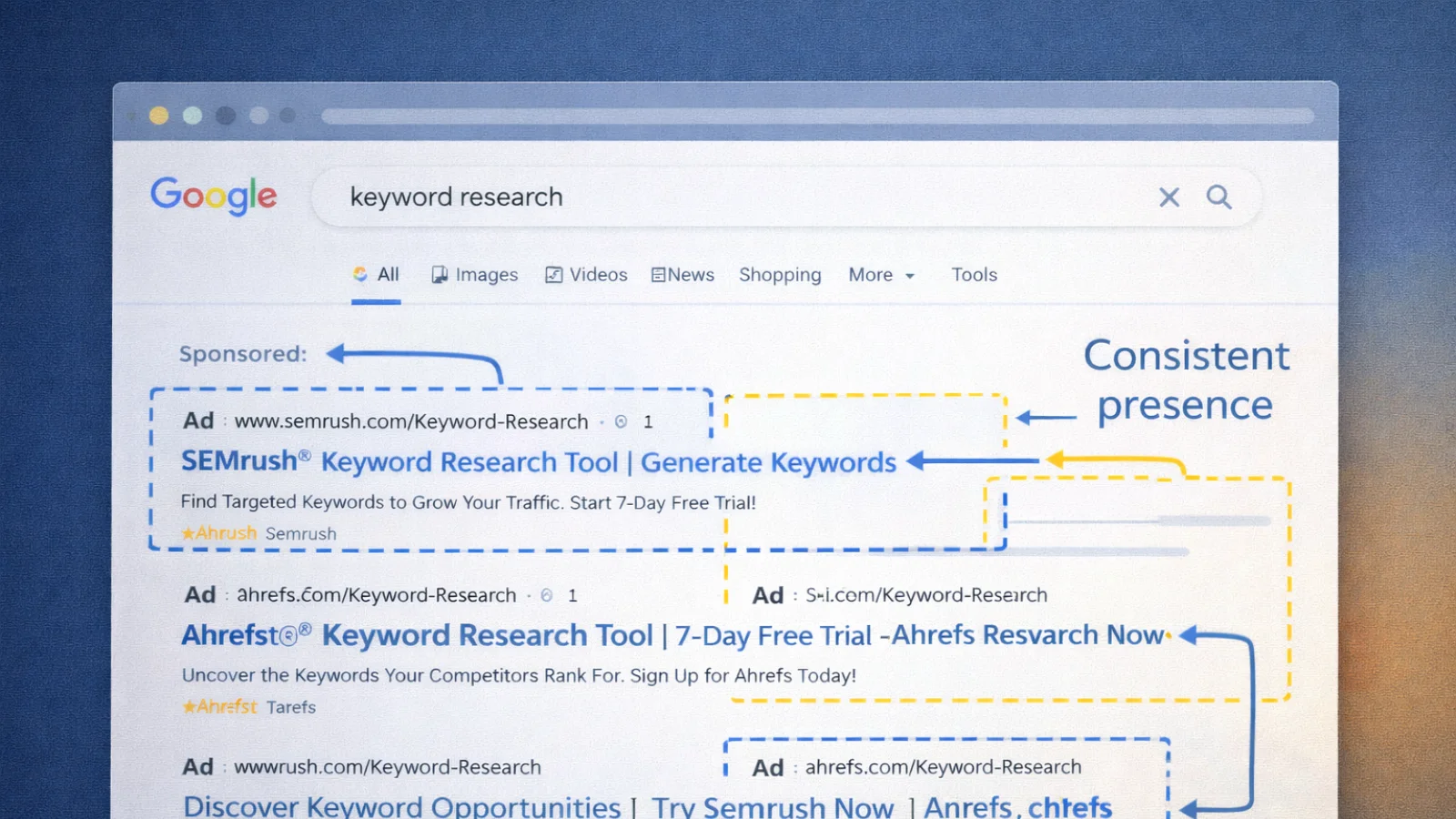
Start with direct competitors who target the same audience and intent. Search your primary keywords on Google and document recurring advertisers. Look for brands consistently appearing at the top of search results. Consistency often indicates a stable budget and strong performance.
You can also use tools like PowerAdSpy to filter competitors by keyword, niche, or geography. This makes it easier to isolate relevant advertisers quickly. Avoid analyzing unrelated large brands.
Focus on competitors similar in size and offer. Primary competitors compete directly for conversions. Secondary competitors may compete for awareness or informational queries. Mapping this hierarchy improves your research accuracy.
Step 2: Analyze Competitor Keywords
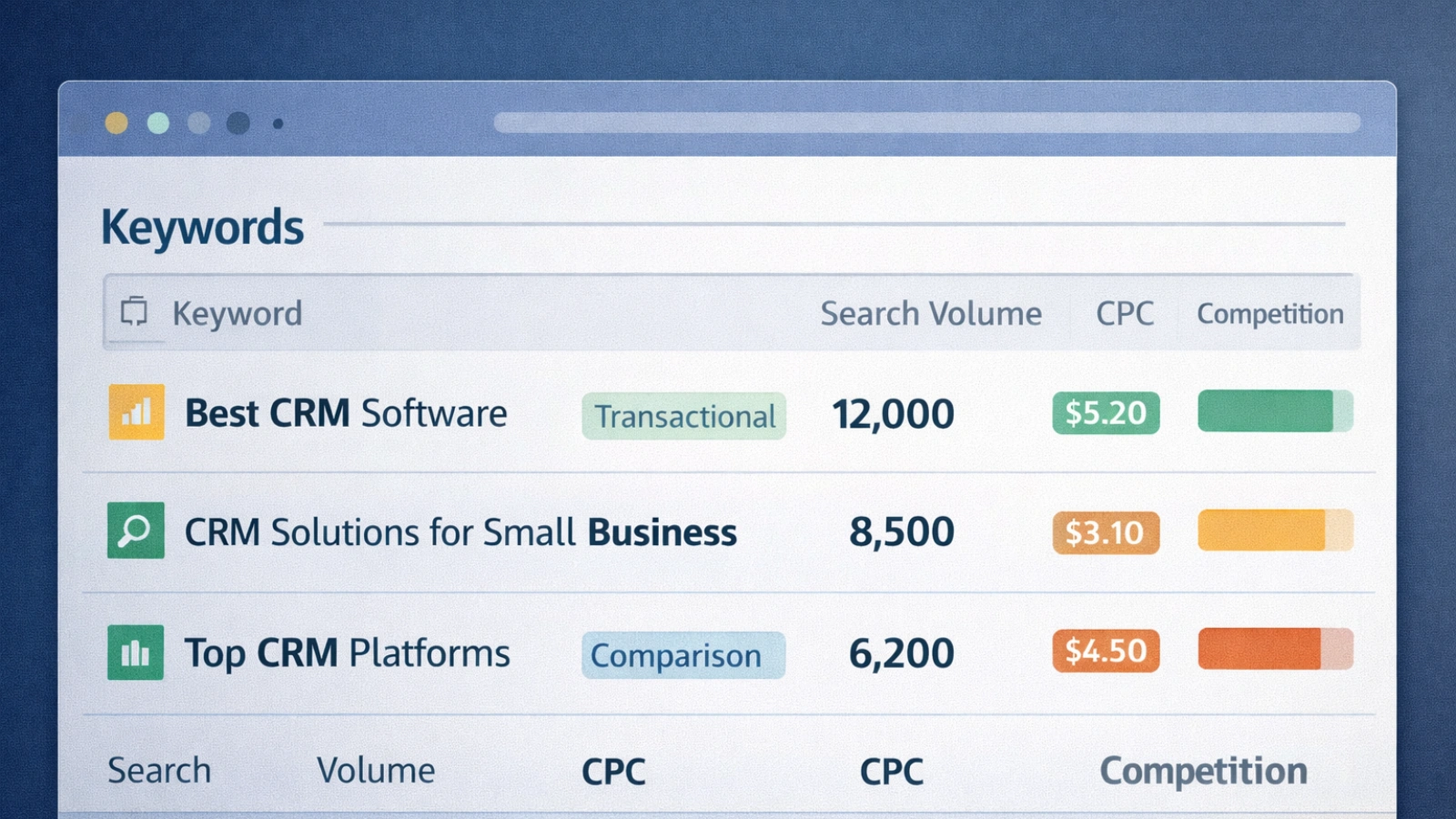
Keyword research reveals how competitors structure their traffic strategy. Look for:
- Core transactional keywords
- Long-tail variations
- Brand bidding behavior
- High-intent modifiers
Notice patterns in keyword themes. Are they focusing on pricing terms or solution-based searches?
Are they investing in comparison keywords?
If a competitor dominates “best,” “top,” or “near me” searches, they likely focus on bottom-funnel conversions. If they rank for educational queries, they may be nurturing prospects earlier. A common mistake is targeting all keyword competitors use. Instead, identify gaps where demand exists but competition is manageable.
Prioritize keywords aligned with your unique value proposition.
Step 3: Study Ad Copy and Messaging
Ad copy reveals positioning strategy. Pay attention to:
- Value propositions
- Emotional triggers
- Discount framing
- Urgency tactics
- Social proof elements
Examine whether competitors highlight benefits or features. Benefits usually outperform features in high-competition spaces.
For example, the repetition of phrases such as “Free Trial” or “No Credit Card Required” indicates strong conversion drivers.
Pay close attention to your call-to-action language. Words like “Start,” “Get,” or “Discover” trigger different psychological responses—action, ownership, or curiosity. Even small shifts can impact engagement and conversions.
To spot meaningful patterns over time, use ad archiving or creative library tools that let you save, tag, and organize ad variations. Reviewing these libraries helps you identify which messaging styles and CTAs consistently perform best.
You can look up ads that have high engagement and long duration on platforms like PowerAdSpy. This filtering helps identify probable winners. Do not copy headlines word for word. Extract the underlying angle instead.
Step 4: Evaluate Landing Page Strategy
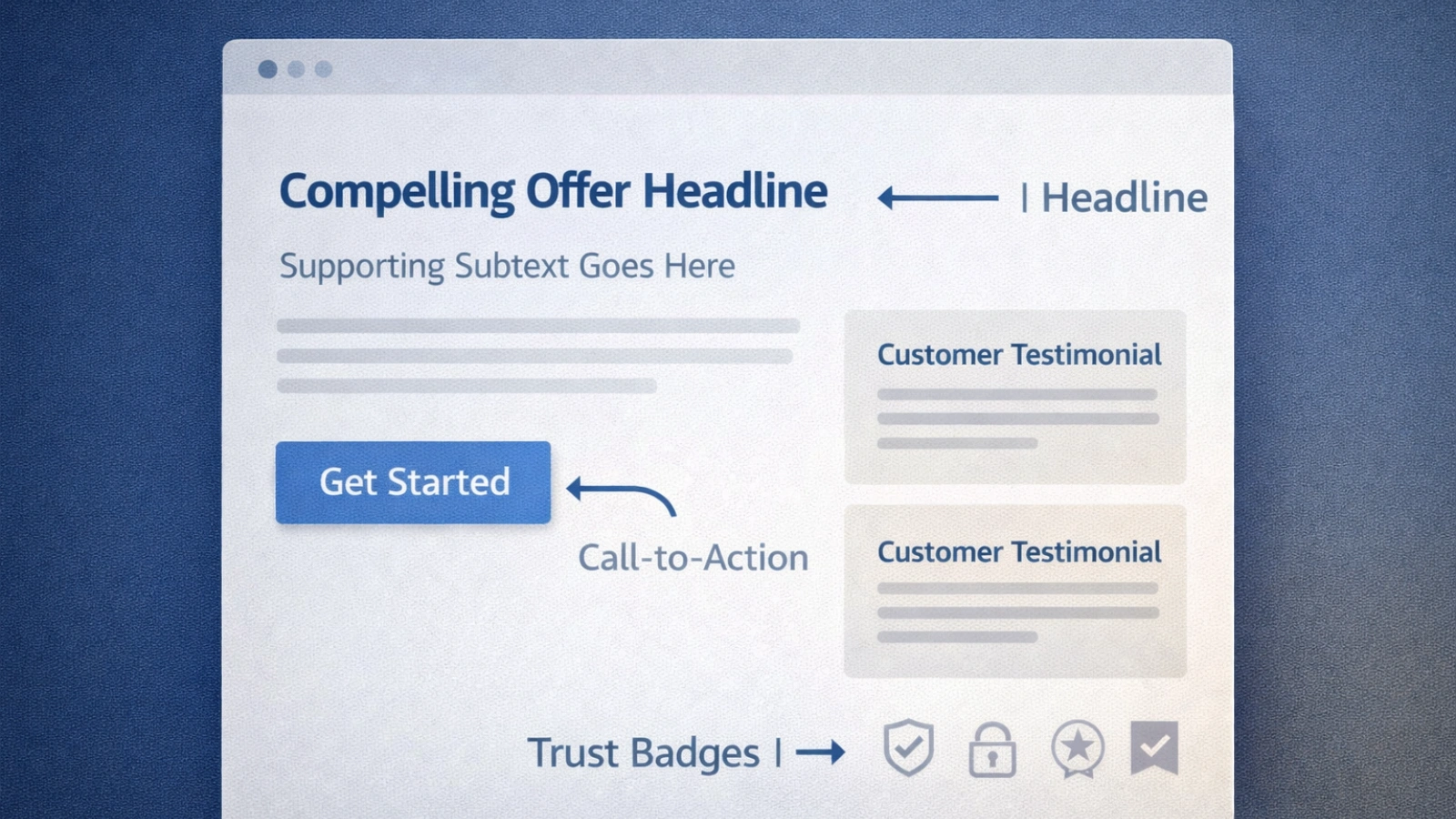
Ads only tell half the story. Click through competitor ads and analyze landing page structure.
Observe:
- Headline alignment with ad copy
- Call-to-action placement
- Trust badges
- Testimonials
- Funnel depth
Study how quickly they present their offer. Do they push immediate purchase or encourage trial signup? Look at page load speed and mobile optimization.
A slow landing page reduces conversion rate regardless of ad strength. If messaging stays consistent from ad to landing page, it indicates strategic coherence. Many advertisers lose conversions due to message mismatch.
Your advantage lies in improving what already works. Small improvements in clarity can increase conversion significantly.
Step 5: Estimate Budget and Scaling Signals
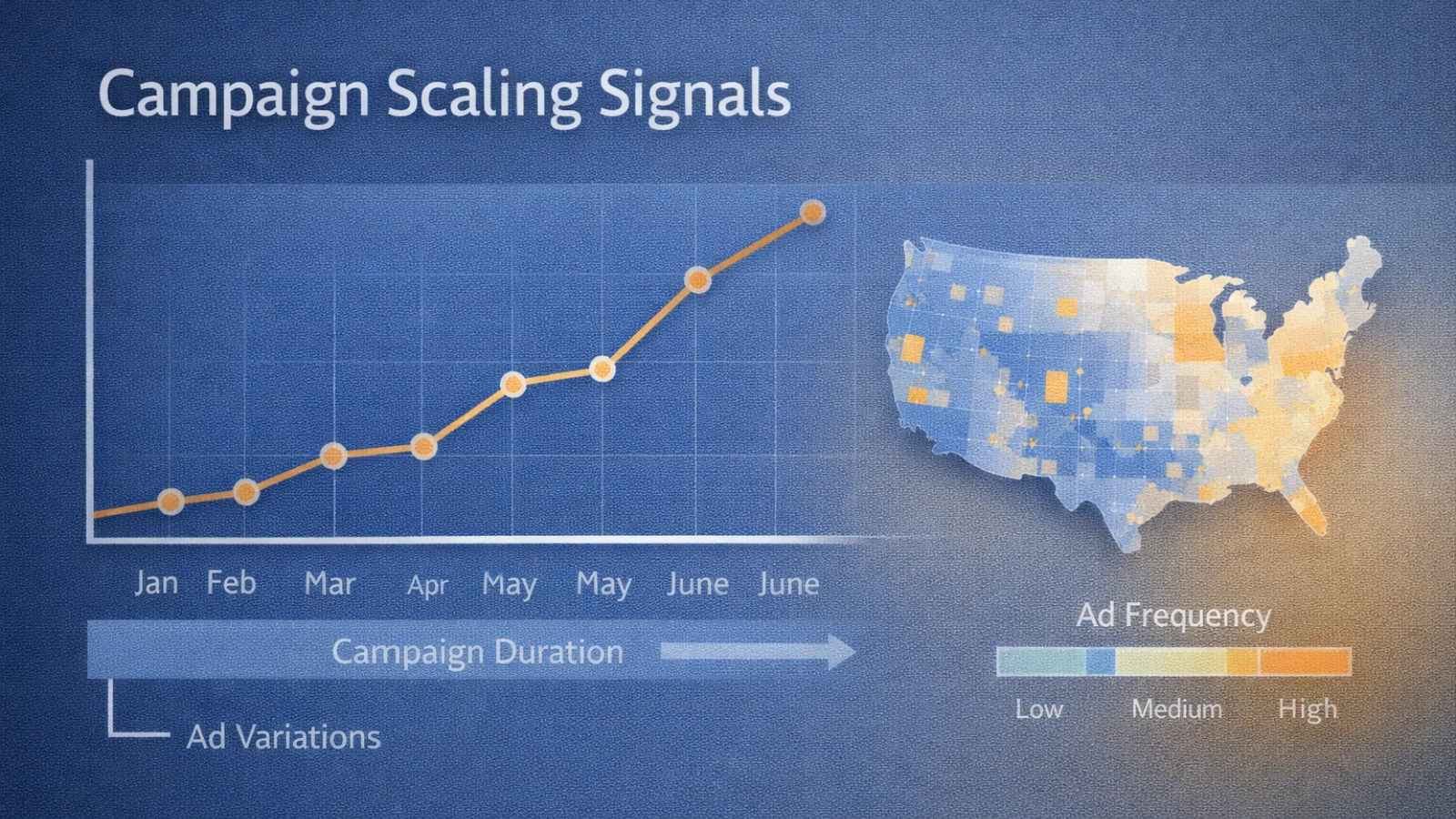
Spy tools do not show exact budgets, but patterns reveal scale. Look for:
- Frequency of ad appearance
- Geographic targeting
- Duration of campaigns
- Number of active variations
Long-running campaigns often indicate profitability. High variation counts may indicate aggressive testing. Sudden spikes in ad activity may signal product launches or seasonal promotions.
How PowerAdSpy Simplifies Google Ads Research
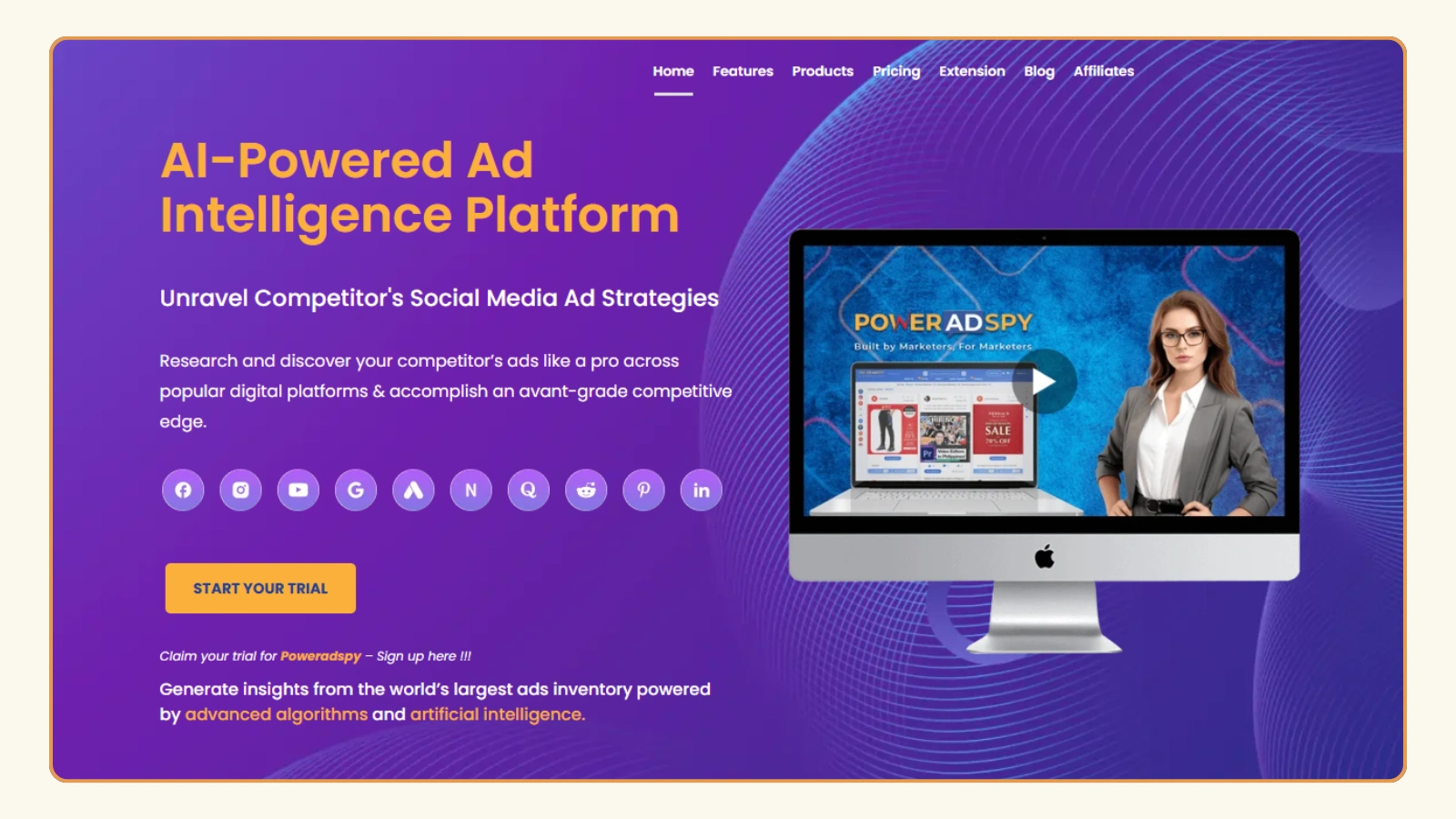
Most spy tools provide raw data. The challenge is filtering noise from actionable insights. PowerAdSpy helps streamline this process through structured filtering. You can search ads by keyword, niche, geography, and engagement signals. Historical data tracking allows you to analyze long-running campaigns.
That makes it easier to identify stable winners instead of temporary tests. The platform also helps uncover display creatives and audience signals. Instead of manually collecting screenshots, you access centralized intelligence.
This reduces research time and improves decision-making accuracy. For marketers serious about scaling, structured data saves both time and budget.
PowerAdSpy offers:
- Advanced keyword-based ad search.
- Filter ads by niche and geographic location.
- Sort and analyze ads using engagement metrics.
- Access historical data for long-running campaigns.
- View centralized display creatives and audience insights.
Step 6: Build Your Testing Framework
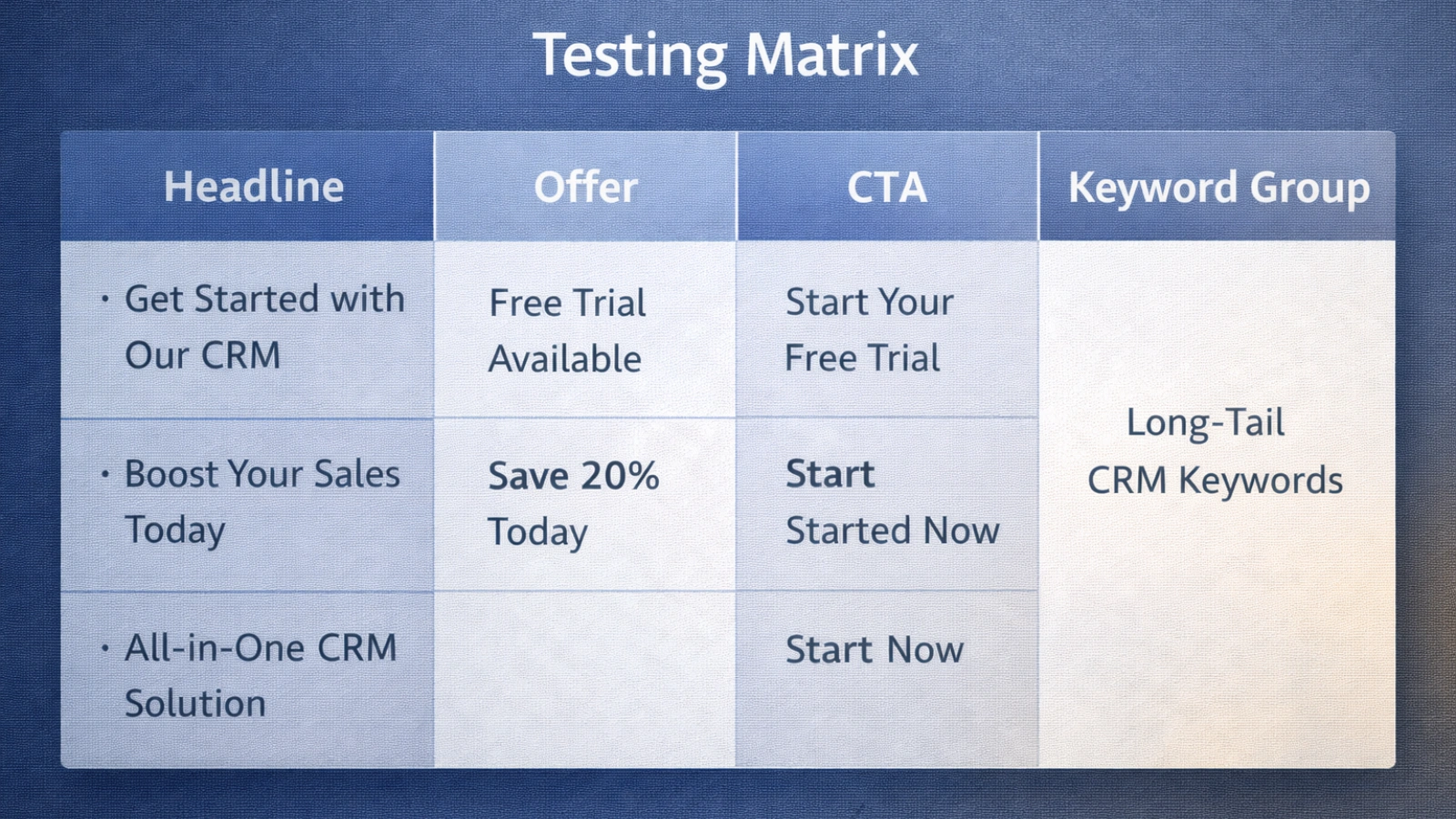
Now convert insights into action. Create a testing matrix that includes:
- Three headline variations
- Two offer angles
- Two call-to-action formats
- One experimental long-tail keyword group
Structure tests methodically. Never change multiple variables at once. Allocate budget proportionally across variations. Monitor key metrics like click-through rate, conversion rate, and cost per acquisition.
Allow sufficient time before judging results. The goal is structured experimentation, not random copying. Consistent testing compounds performance improvements over time.
Advanced Insights: What Most Advertisers Miss
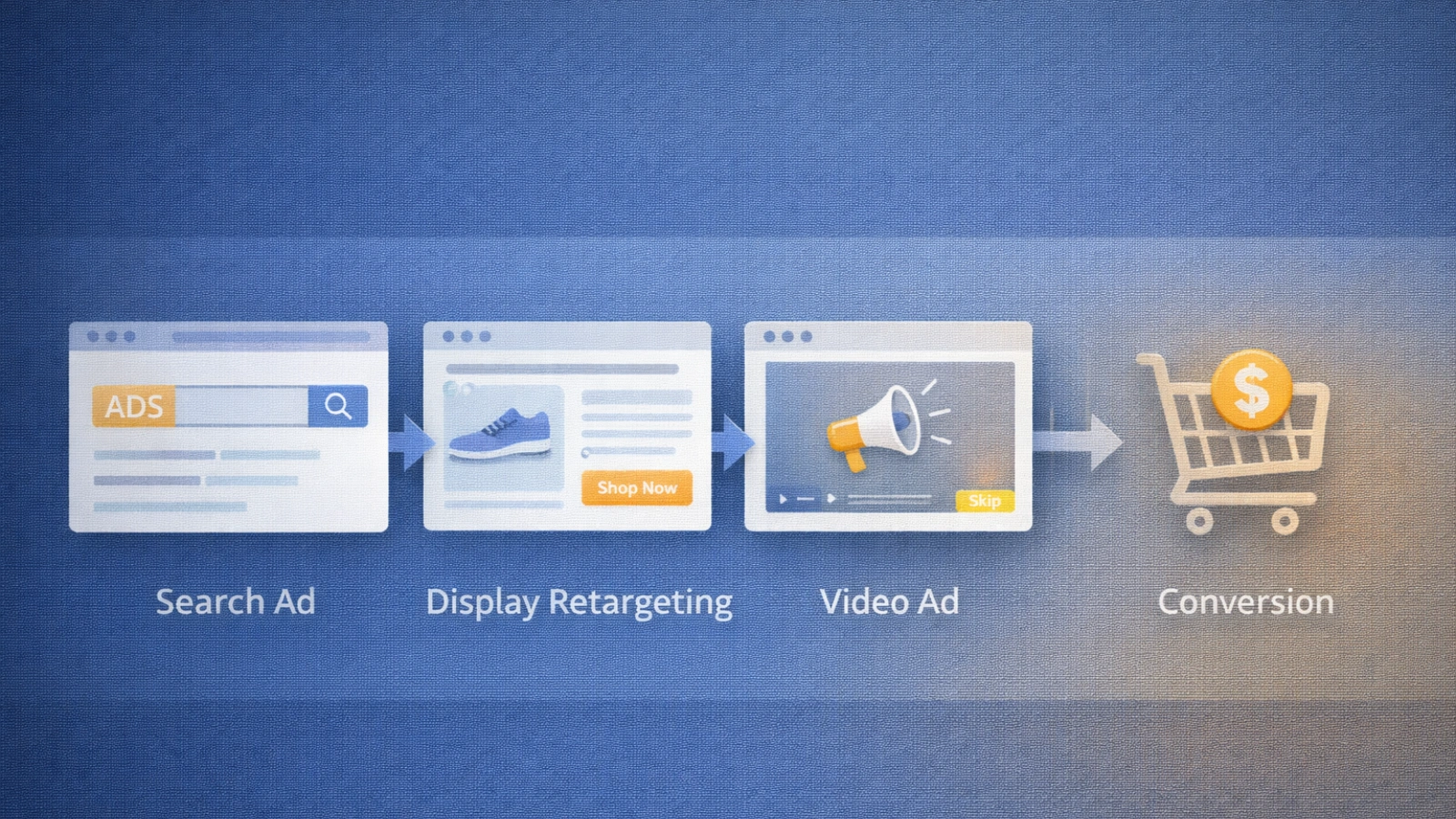
Many advertisers focus only on search ads. However, display and video placements often reveal broader branding strategies.
Spy tools can uncover display creatives, audience targeting clues, and retargeting patterns. Analyze whether competitors use remarketing aggressively. Retargeting often signals a strong funnel strategy.
Another overlooked factor is messaging evolution. If a competitor shifts tone from discount-heavy to value-focused, market maturity may be changing. Monitoring trends over time provides strategic foresight. This is where comprehensive databases like PowerAdSpy become useful.
They allow historical tracking across multiple ad formats. Long-term visibility helps you identify macro shifts, not just tactical changes.
Read More!
Facebook Ad Library vs. PowerAdSpy: Which Is Better For Ad Research?
Common Mistakes to Avoid
- Copying competitor ads word for word.
- Ignoring audience intent differences.
- Analyzing only one competitor.
- Overlooking landing page optimization.
- Reacting to short-term ad appearances.
- Failing to document research findings systematically.
- Without documentation, insights become inconsistent.
- Competitor research should guide strategy, not dictate it blindly.
Practical Checklist for Using Google Ads Spy Tools
Use this framework before launching any campaign:
- Identify the top three direct competitors
- Extract recurring keyword themes
- Document high-frequency headlines
- Analyze landing page consistency
- Note the offer positioning differences
- Build structured A/B tests
- Monitor competitor changes monthly
Create a shared research document for ongoing analysis. Review data regularly to refine assumptions. Consistency in research produces a cumulative advantage.
Conclusion
Google Ads is competitive, dynamic, and data driven. Guesswork leads to wasted spend. Structured competitor research creates clarity, efficiency, and strategic advantage.
Google Ads spy tools simplify this process by organizing market intelligence into actionable insights. When used correctly, they do not just show you what competitors are doing. They help you build smarter campaigns from the start.
If you are serious about scaling paid search, systematic analysis should become part of your routine.
Tools like PowerAdSpy can support that process by centralizing ad intelligence and simplifying competitive tracking. The advantage does not go to the biggest spender. It goes to the advertiser who understands the landscape better.
FAQ
1. Are Google Ads spy tools legal to use?
Yes, they collect publicly visible advertising data.
They do not access private campaign dashboards or confidential information.
2. Can spy tools reveal competitor audience targeting details?
They provide indirect insights based on placements and ad patterns.
Exact audience lists are not accessible.
3. Do Google Ads spy tools work for Performance Max campaigns?
They can reveal visible creatives and placements.
However, Performance Max automation limits full transparency.
4. How accurate is keyword data in spy tools?
Most platforms use estimation models.
Accuracy improves when combined with your internal campaign data.
5. What is the difference between SEO tools and Google Ads spy tools?
SEO tools analyze organic rankings.
Google Ads spy tools focus on paid search and display campaigns.