

Google Ads Spy Tools: Uncover Competitors’ PPC Strategy
Running profitable Google Ads today requires more than creative copy and a decent budget. Competition is tighter, cost-per-click is higher, and audiences are more selective than ever before. If you’re launching campaigns without understanding what your competitors are doing, you’re essentially paying to experiment blindly.
Smart advertisers don’t guess. They observe. They analyse patterns. They study messaging. Most importantly, they look at what’s already working in their niche before spending heavily.
That’s where competitor research becomes a strategic advantage. Instead of reinventing the wheel, you gain insight into proven approaches from headline angles to pricing strategies and funnel structures. When done correctly, this research shortens your testing phase and improves ROI significantly.
In this guide, we’ll break down how to ethically analyse competitors, what tools to use, and how to turn competitive data into profitable campaigns.
What Is a Google Ads Spy Tool?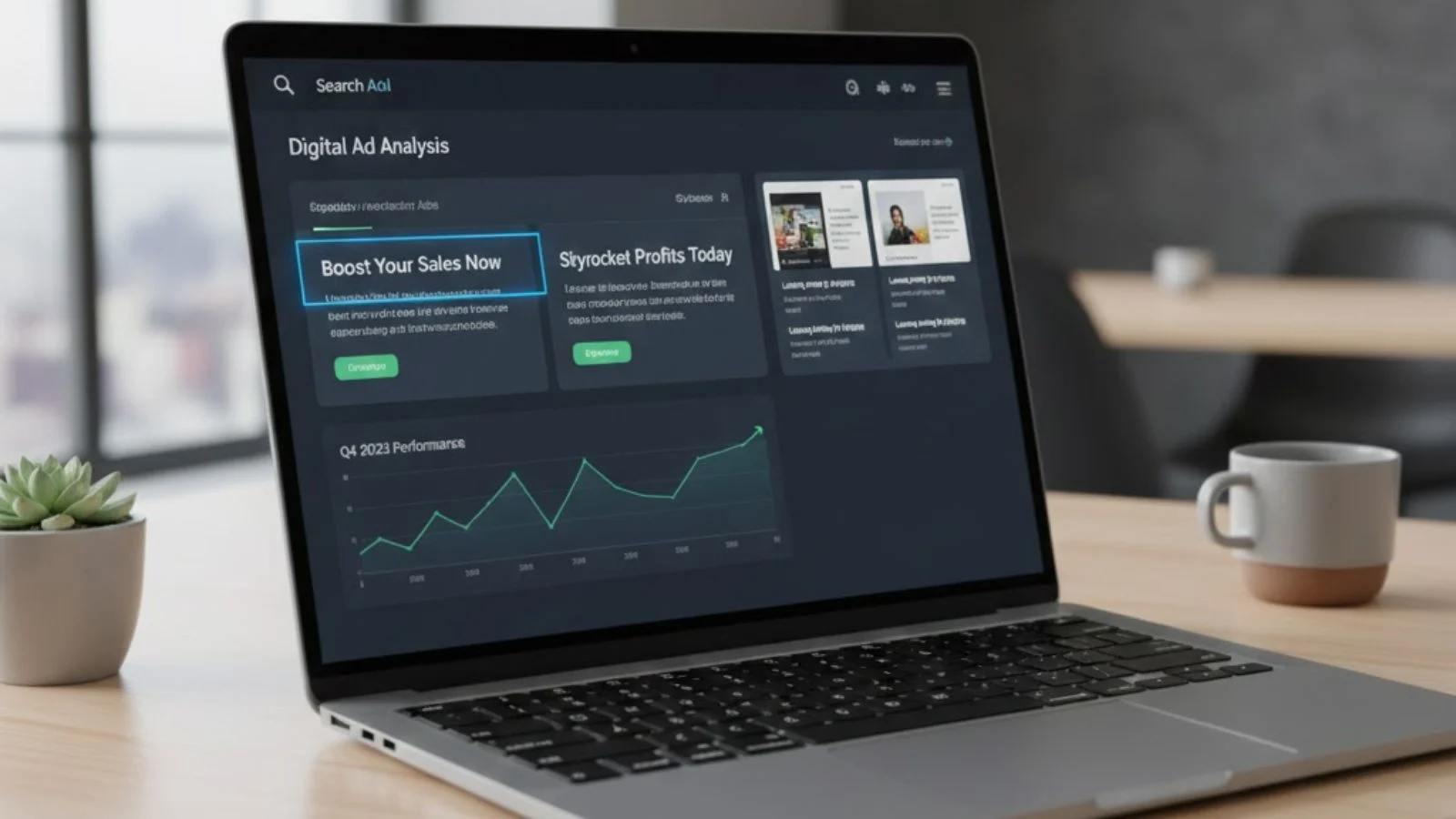
A Google Ads spy tool is a platform designed to help marketers analyse competitors’ paid advertising campaigns. It collects publicly visible ad data and organizes it into structured insights that are easier to evaluate.
Instead of manually searching keywords every day to see who appears at the top, these tools allow you to view:
- Active search advertisements
- Historical ad variations
- Display banner creatives
- Keyword trends
- Landing page URLs
- Ad longevity
This data helps you understand which campaigns are likely performing well. For example, if an ad has been running consistently for months, it’s probably profitable. If it disappears quickly, it may not have worked.
For marketers wondering how to spy on winning competitors google-ads, spy tools simplify the entire process by centralizing information that would otherwise require hours of manual tracking.
Search vs Display – Understanding Where Competitors Focus
Not all paid campaigns are structured the same way. Inside the Google Ads ecosystem, businesses typically invest in two major formats: search and display. Understanding the difference is critical before analyzing competitor strategy.
Search Campaigns: High Intent, Direct Response
Search ads appear when users type specific queries into Google. These users are actively looking for solutions, which makes search traffic highly valuable.
When studying how to spy on competitors google search ads, you’re looking for:
- The keywords they consistently target
- Repeated headline structures
- Pricing mentions
- Urgency triggers
- Call-to-action wording
Search campaigns reveal buying psychology. If multiple competitors emphasize “Free Demo” or “30-Day Guarantee,” that messaging likely converts well.
Display Campaigns: Awareness and Retargeting
Display ads are image-based banners shown across websites in Google’s Display Network. They often support brand awareness or retarget users who previously visited a site.
If you’re researching how to spy on competitors google display ads, focus on:
- Visual branding consistency
- Offer positioning
- Funnel stage (awareness vs retargeting)
- Emotional appeal in creatives
Unlike search, display campaigns are less about keywords and more about audience targeting and creative design.
Understanding where competitors allocate energy search, display, or both gives insight into their overall funnel strategy.
Step-by-Step – How to Spy on Winning Competitors Strategically
If you want to learn how to spy on winning competitors’ Google ads, you need a structured approach. Random observation won’t give you meaningful insights. Strategic analysis will.
Here’s a step-by-step method you can follow.
Step 1: Identify Consistent Advertisers
Start by searching your main commercial keywords manually. Look at which businesses appear repeatedly over several days or weeks.
Consistency usually signals profitability. Companies rarely keep running ads that lose money.
Make a short list of:
- Brands that dominate top positions
- Businesses with multiple ad variations
- Companies running both search and display placements
These are the competitors worth studying.
Step 2: Analyze Their Messaging Patterns
Once you’ve identified top advertisers, evaluate their messaging structure.
Look for:
- Emotional triggers (fear, urgency, exclusivity)
- Specific numbers or data points
- Guarantees or risk-reversal statements
- Discount language
- Authority indicators
When analyzing Google Ads, don’t focus on copying exact words. Instead, identify patterns. If several competitors emphasize “Free Consultation,” it likely works in that market.
Patterns reveal proven psychology
Step 3: Examine Ad Extensions and Offers
Ad extensions provide additional insights.
Review:
- Sitelinks
- Callout extensions
- Structured snippets
- Pricing details
Extensions often highlight the most profitable services or products. If a company consistently promotes one feature across extensions, it’s likely a core revenue driver.
Step 4: Study the Landing Page Experience
The real conversion strategy often lives beyond the ad.
After clicking (ethically and sparingly), analyze:
- Headline alignment
- CTA placement
- Page load speed
- Testimonials and trust badges
- Funnel structure
Strong advertisers ensure the message from their Google Ads flows seamlessly into their landing page. That consistency boosts conversions.
Step 5: Monitor Longevity
Short-term ads might be experiments. Long-term ads are usually winners.
Using a Google search ads spy tool, track:
- How long do ads stay active
- Creative changes over time
- Seasonal adjustments
Longevity is one of the strongest indicators of performance.
What Data Actually Matters When Spying on Competitors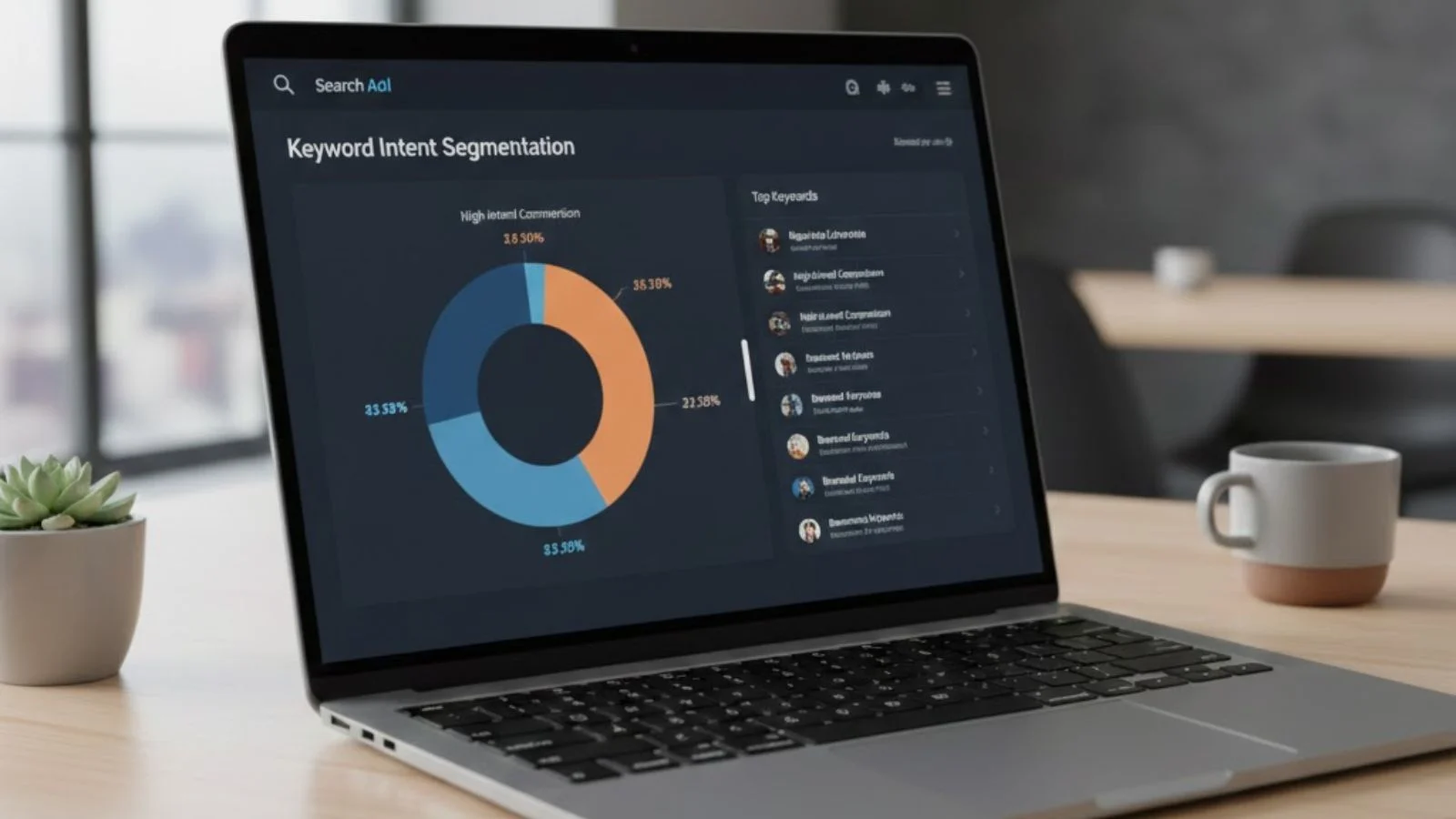
When analyzing Google Ads, it’s easy to get distracted by surface-level information. Headlines, visuals, and offers are important, but the real value comes from understanding performance indicators and strategic intent.
If you want meaningful insights, focus on data that signals profitability and positioning rather than just creative style.
Ad Copy Longevity
One of the strongest indicators of success is duration. If a competitor runs the same ad variation for months, that’s usually a winning asset.
Short-lived ads might be A/B tests. Long-running ads typically convert.
Track:
- Headline consistency
- Offer repetition
- CTA structure over time
Longevity tells you what’s working in the market.
Keyword Intent Level
Intent matters more than volume.
When studying how to spy on competitors google search ads, identify whether they focus on:
- High-intent commercial keywords
- Mid-funnel comparison queries
- Branded competitor keywords
- Broad awareness phrases
If a brand invests heavily in high-intent keywords, they’re likely prioritizing immediate ROI. If they dominate mid-funnel searches, they may be nurturing leads over time.
Display Targeting Patterns
If you’re researching how to spy on competitors google display ads, examine:
- Creative style changes
- Retargeting frequency
- Promotional timing
- Device-specific placements
Display campaigns often reveal how brands nurture warm audiences. Repeated banner exposure signals retargeting strategy.
Funnel Stage Strategy
Ask yourself:
Are they:
- Driving traffic to product pages?
- Capturing leads through gated offers?
- Promoting webinars or demos?
- Offering limited-time discounts?
Understanding funnel intent gives context to ad messaging.
Budget Signals
While exact budgets aren’t always visible, you can estimate competitiveness by:
- Frequency of impressions
- Multiple ad variations running simultaneously
- Geographic targeting scale
- Seasonal activity spikes
Heavy consistency often signals strong investment.
When evaluating Google Ads, budget behavior can tell you how aggressively competitors pursue market share.
Competitive Differentiation
Look at how competitors position themselves differently:
- Price leadership
- Premium branding
- Speed of service
- Unique technology
- Guarantee terms
This helps you identify gaps in the market where you can stand out instead of blending in.
Why Manual Research Isn’t Enough (And Where Spy Tools Fit In)
Manual research can give you a starting point. You can search keywords, click competitor ads occasionally, and take notes. But if you’re serious about dominating Google Ads, manual observation simply isn’t scalable.
Here’s why.
You Only See a Fraction of the Data
When you search manually, you’re seeing ads based on:
- Your location
- Your device
- Your browsing history
- Your search behavior
That means you’re only getting a narrow snapshot of what competitors are running. You won’t see:
- Geo-targeted variations
- Device-specific creatives
- Historical ad copies
- A/B test variations
Without broader visibility, your conclusions may be incomplete.
You Can’t Track Historical Performance Easily
One of the most valuable insights in PPC strategy is historical consistency.
A strong Google Ads spy tool allows you to analyze:
- Ads that ran months ago
- Creative evolution
- Offer shifts
- Seasonal changes
- Long-running winners
Manual tracking requires spreadsheets, screenshots, and constant monitoring. It becomes inefficient quickly.
Competitor Intelligence Requires Scale
If you want to understand how to spy on winning competitors google ads, you need data at scale, not just one or two brands.
Serious analysis involves:
- Studying multiple competitors
- Comparing keyword focus
- Tracking creative angles
- Monitoring ad placement trends
Doing this manually for 10+ competitors is time-consuming and often inaccurate.
Display Campaigns Are Nearly Impossible to Track Manually
Search ads are visible when triggered by keywords. Display campaigns are different.
To properly evaluate how to spy on competitors google display ads, you need:
- Access to banner libraries
- Audience targeting insights
- Placement tracking
- Creative variations
You won’t randomly encounter every display ad a competitor runs. Without automation, you miss major data points.
Speed Equals Advantage
In paid advertising, timing matters.
When a competitor launches a strong campaign, the faster you detect it, the quicker you can:
- Adapt your messaging
- Improve offers
- Test new angles
- Protect market share
Using advanced tools gives you real-time competitive awareness.
How PowerAdSpy Helps You Reverse-Engineer Winning PPC Campaigns
If your goal is to dominate Google Ads without wasting budget on guesswork, having the right competitive intelligence platform changes everything. This is where PowerAdSpy becomes a serious advantage.
Instead of manually hunting for ads, you get structured, searchable, and scalable insights.
Discover Proven Search Ad Creatives
One of the biggest challenges in PPC is writing copy that actually converts.
PowerAdSpy helps you:
- Identify top-performing headline structures
- Analyze repeated CTAs across industries
- Spot emotional triggers competitors rely on
- Detect seasonal offer changes
If you’re exploring how to spy on competitors google search ads, this level of visibility allows you to reverse-engineer successful messaging instead of starting from scratch.
You’re not copying, you’re identifying what consistently survives in the marketplace.
Deep Dive into Display Campaigns
Display advertising is harder to track manually, but PowerAdSpy simplifies it.
You can:
- View competitor banner variations
- Study creative designs and layouts
- Monitor retargeting creatives
- Identify audience engagement patterns
For marketers researching how to spy on competitors google display ads, this type of insight helps refine creative strategy and targeting decisions.
You’ll understand whether competitors rely on brand-heavy visuals, discount-focused messaging, or aggressive retargeting.
Historical Ad Tracking
Winning campaigns leave a footprint.
PowerAdSpy allows you to:
- View ad longevity
- Compare older vs newer creatives
- Track messaging evolution
- Detect market positioning shifts
This helps answer a critical question:
Is this a temporary experiment or a long-term winner?
When evaluating how to spy on winning competitors google ads, historical consistency is one of the strongest success signals.
Competitor Keyword Intelligence
Keyword targeting determines profitability.
With structured competitive insights, you can:
- Identify recurring commercial keywords
- Spot niche targeting opportunities
- Discover untapped long-tail queries
- Analyze keyword clustering strategies
Instead of guessing what might convert, you work with observable market evidence.
Faster Testing, Smarter Budget Allocation
The real power of a professional Google Ads spy tool lies in speed.
When you already know:
- Which headlines survive long-term
- Which offers dominate
- Which CTAs competitors repeat
- Which angles are saturated
You reduce failed experiments and improve ROI faster.
Instead of burning budget on random A/B tests, you test strategically informed variations.
Turning Insights into Action
The ultimate goal isn’t spying.
It’s positioning.
By analyzing competitors through PowerAdSpy, you can:
- Identify overused angles and differentiate
- Improve weak offers in your market
- Strengthen landing page alignment
- Refine funnel targeting
Competitive intelligence becomes a growth multiplier, not just a research exercise.
Also Read,
Conclusion
Succeeding with Google Ads requires more than creative ideas and budget; it requires clarity. When you systematically analyze competitor messaging, keyword intent, ad longevity, and funnel structure, you move from guesswork to strategy. Instead of testing blindly, you make decisions backed by real market behavior.
Manual observation can give you surface insights, but scalable intelligence platforms like PowerAdSpy help you uncover deeper patterns, what offers consistently run, which creatives survive long term, and how competitors position themselves across search and display.
The objective isn’t imitation. It’s strategic differentiation.
When you combine competitive research with smart testing and strong positioning, your campaigns become more efficient, your budget works harder, and your growth becomes predictable.
FAQ’s
1. How can I spy on winning competitors google ads campaigns?
To effectively learn how to spy on winning competitors google ads, you should:
- Identify consistent advertisers in your niche
- Track ad copy longevity
- Analyze repeated offers and CTAs
- Study landing page alignment
- Use a professional spy platform for deeper insights
The key is studying patterns over time, not just one-time ads.
2. How to spy on competitors google search ads specifically?
If you want to understand how to spy on competitors google search ads, focus on:
- High-intent keyword targeting
- Headline structures
- Price positioning
- Guarantee messaging
- Ad extensions
Search campaigns reveal direct buying intent and conversion-driven messaging.
3. How to spy on competitors google display ads effectively?
To analyze how to spy on competitors google display ads, look at:
- Banner design style
- Retargeting frequency
- Promotional messaging
- Seasonal creative changes
- Visual branding consistency
Display ads often support awareness and retargeting strategies.